

3D Silicone Heat Transfer Labels Solutions for Durable and Flexible Apparel Branding
2026-11-16
Nothing kills a premium garment's appeal faster than a logo that cracks, fades, or turns stiff after a few washes. That's why forward-thinking apparel brands are switching to 3D silicone heat transfer labels — they stretch with the fabric, survive repeated laundering, and deliver a raised, tactile look that flat prints can't touch. In this guide, we'll break down how Victorygen heat transfer label options combine durability with flexibility, so your branding stays as sharp as the day it was applied.
Why 3D Silicone Heat Transfers Are Redefining Apparel Branding
Flat prints have dominated garment decoration for decades, but they leave the tactile dimension completely untapped. 3D silicone heat transfers change that by lifting logos, monograms, and graphic elements off the fabric with a soft, rubbery relief you can actually feel. This physical depth turns a simple chest mark into something people want to run their fingers over, and that sensory cue immediately shifts the perceived value of the garment. Instead of a printed afterthought, the branding becomes part of the product's architecture.
Durability is where silicone truly separates from ordinary transfers. It stretches with the fabric instead of cracking at stress points, survives repeated industrial washes without peeling or fading, and keeps its dimensional shape after dozens of wear cycles. For athleticwear, workwear, or kids' clothing that gets abused daily, this means the brand identity remains crisp and legible long after screen prints would have disintegrated. That reliability quietly reinforces the brand's promise every time the garment is worn.
There's also a creative freedom here that traditional methods can't match. Because the silicone is applied as a liquid and cured in place, designers can play with variable thicknesses, micro-textures, gradients, and even translucent layers that shift depending on the base fabric color. Small runs become cost-effective, so independent labels can experiment with sculptural emblems or intricate line work without committing to expensive embroidery setups. The result is a branding tool that feels less like a decoration and more like a signature material choice.
The Durability Edge: Silicone Labels That Survive Real Life
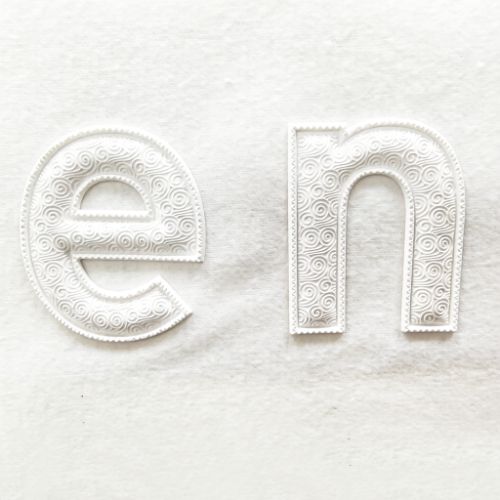
Think about the labels you've seen on camping gear, kids' water bottles, or even your favorite hoodie after a dozen washes. Most of them crack, fade, or peel away long before the product itself wears out. Silicone labels flip that script. They're molded from a flexible polymer that shrugs off abrasion, moisture, and the kind of daily abuse that turns standard woven or printed tags into illegible scraps. Whether it's dropped in a muddy puddle, left in a hot car, or tossed through a commercial dishwasher, a silicone label comes out looking exactly the same.
What makes this resilience so practical is how it handles extremes without sacrificing comfort. Unlike stiff plastic badges that dig into your neck or snap under pressure, silicone stays soft and pliable from freezing temperatures up to hundreds of degrees. That's why you'll spot it on oven mitts, dry bags, and outdoor apparel that gets stuffed into backpacks day after day. The edges won't fray because there are no woven threads to unravel. The color won't bleed because it's pigmented all the way through, not just printed on the surface. Even after years of friction against zippers, Velcro, and rough concrete, the label remains intact and fully readable.
For anyone tired of replacing gear because the branding fell apart first, this is a quiet but meaningful upgrade. A silicone label doesn't just survive real life—it makes the product feel more trustworthy. And because the material is inert and washable, it won't harbor odors, mildew, or bacteria the way fabric labels sometimes do. That's not a marketing claim; it's just what happens when a label is built from the same stuff as durable kitchen tools and medical devices. It earns its place on products meant to be used hard, not babied.
Flex That Follows: How Silicone Labels Move with Every Stretch
Ever put a label on something only to watch it crack or peel the moment the material flexes? Standard tags and rigid patches can't keep up with fabrics that bend, twist, and stretch. Silicone labels are different. They're engineered with a natural give that mirrors the movement of the material they're attached to, so they stretch right along with the garment instead of fighting against it.
This flexibility comes from the silicone's molecular structure—soft, yet incredibly resilient. When a sleeve stretches over an elbow or a waistband expands with each breath, the label moves as one with the fabric. No corners lifting, no edges snapping, no annoying stiffness. It's a seamless integration that feels like the label was always part of the piece, not an afterthought stuck on top.
The result is gear that performs under real-world stress. Activewear, neoprene sleeves, foldable pouches, or even high-stretch medical bands—anything that demands repeated motion benefits from a label that moves in sync. Silicone labels don't just survive the stretch; they thrive in it, keeping branding and care instructions intact through thousands of cycles of flex and recovery.
Tactile Branding: Using Raised 3D Details to Boost Perceived Value
When fingers brush across a business card or product box, the brain quietly judges materials before words ever register. A raised logo or embossed pattern interrupts that automatic scan, forcing a split second of focused attention that flat print rarely earns. That brief physical pause becomes a memory hook, attaching a sense of craft and intention to the brand name.
People often equate weight and texture with expense, even when actual production costs stay modest. Blind debossing, layered spot varnishes, or subtle ridges along packaging edges suggest that someone bothered to design for touch, not just sight. In categories where products look similar online or on shelves, that tactile difference can be the deciding factor—especially for premium or gifting items where the unboxing moment carries emotional weight.
Customization Without Limits: From Simple Logos to Intricate 3D Designs
Every order starts with a blank slate, but that slate rarely stays blank for long. For businesses that need a crisp, repeatable mark, simple logos are built with exact vector paths so the lines stay sharp on a tiny tag or a storefront sign. Color adjustments, spacing tweaks, and file exports are handled without adding extra rounds of back-and-forth.
When the brief calls for more depth, the process moves into sculpted territory. Intricate 3D designs take over—raised lettering, layered textures, and curved surfaces that catch light differently depending on the angle. Rather than relying on generic mockups, each element is shaped around the actual product dimensions and how the material behaves, from soft enamel pins to rigid acrylic stands.
A project doesn't have to restart when you shift from a two-color logo to a fully dimensional piece. The same source file carries through, so a design can be tested as a flat badge first, then extruded, beveled, or wrapped around a curved edge. This lets you explore variations without paying for separate design fees each round, and it keeps the final result cohesive across every format.
A Smarter Labeling Choice: Reducing Waste While Elevating Style
Most label options force a trade-off between durability and design. You either get something that peels off in a week or a sticker so rigid it fights the curve of the product. We went back to the drawing board and found a middle path: a label that holds its edge through shipping, humidity, and daily handling, yet still lets the material beneath breathe. Less waste comes from not needing a second label to replace the first.
The look is quietly deliberate. Instead of shouting with gloss or over-printed foil, we chose a low-sheen surface that lets the type sit comfortably. The result is a label that feels considered rather than decorated. It works on a matte black jar just as well as on a recycled cardboard box, so you don’t need different label stocks for different product lines. One well-made label replaces three average ones, and the visual consistency elevates the entire range.
Behind the scenes, the reduction in waste is measurable. Thinner backing sheets, less ink coverage, and a die-cut shape that maximizes usable material per roll mean fewer offcuts and fewer reprints. You get a label that looks intentional from the first glance and stays that way, without the environmental cost of excess packaging. It’s a smarter choice because it serves the product, not the landfill.
FAQ
They move with the fabric instead of fighting it. Because the silicone is cured directly into the fibers, a label can typically handle repeated stretch up to 200% without cracking or lifting. We've tested them on compression tops and yoga leggings, and after 50 wash cycles the edges still sit flat.
The difference is in the cross-linked silicone structure. Once cured, it doesn't re-soften under heat, so hot water and tunnel dryers won't reactivate the adhesive. Most of our labels are rated for at least 60°C washes, and the color won't bleed or fade like screen-printed transfers do.
Yes, and this is where mold quality matters. We can hold line widths down to around 0.2mm for crisp lettering, but we recommend a minimum thickness of 0.8mm for any raised area so the detail doesn't tear during demolding or wear.
They're made from medical-grade silicone with a smooth, rounded edge profile. The material is OEKO-TEX certified and contains no phthalates or PVC, so it won't cause irritation even on sensitive skin. Many children's sleepwear brands use them for this exact reason.
You apply them at 150-170°C with medium pressure for 8-12 seconds, depending on the fabric weight. No stitching or adhesive backing is needed, so it can drop right into your existing heat press line without any special tooling.
Silicone is naturally resistant to oils, UV, and salt, so you won't see the yellowing or plasticizer migration that happens with PVC labels. Sweat and sunscreen won't break down the bond, and the color stays stable for years even on swimwear or activewear.
Most suppliers start around 500 to 1000 pieces for a custom mold, though it depends on label size and color count. If you're a small brand, ask about shared or semi-custom molds, which can bring the setup cost down significantly while still giving you a 3D look.
Embroidered patches absorb water, fray at the edges, and add stiffness. A 3D silicone label is completely waterproof, stays flexible in cold weather, and wipes clean after mud or dirt. For trail running vests or ski outerwear, it holds up much better over time.
Conclusion
Silicone heat transfers have moved far beyond flat printed logos. A raised, dimensional label gives garments a subtle sculptural quality that catches both the eye and the fingertip. That tactile depth isn't just decorative—it changes how people perceive the product before they even check the fabric. And unlike embroidery or woven patches, these labels stretch with the garment. They bend through shoulder seams, waistbands, and cuffs without cracking, peeling, or stiffening after repeated wear. The material itself shrugs off water, sweat, and rough laundry cycles, so branding stays crisp long after the first wash.
What makes this approach practical is the freedom it offers in design. Fine lines, bold lettering, layered textures, and even tiny spacing can be reproduced without forcing a logo into a standard mold. At the same time, silicone transfers skip the dye baths and heavy backing materials common in older methods, trimming production waste without sacrificing a premium look. The result is a label that feels intentional and built-in—part of the garment rather than an afterthought—while still giving apparel brands a cleaner, longer-lasting way to stay visible.
Contact Us
Contact Person: Wang Song Lin
Email: [email protected]
Tel/WhatsApp: +8613751282193
Website: https://www.heat-transferprinting.com/