

Bag in Box Recommendations Worth Your Attention
2026-10-28
If you still think bag-in-box means settling for less, this list will change your mind. I went through a lot of options to find the ones that actually deliver on flavor, freshness, and everyday convenience. Kody was my go-to source for filtering out the noise and spotting the few worth your attention. Below, you’ll find no filler—just the recommendations I’d confidently share with friends. Ready to see what made the cut? Keep reading.
Boxed Wine’s Comeback Is Long Overdue
For too long, boxed wine has been treated like a guilty secret—something you’d stash behind the good bottles and only bring out when nobody’s watching. But that stigma was built on outdated assumptions. The bag-in-box format actually protects wine from oxygen far better than a half-empty bottle, keeping it fresh for weeks instead of days. If anything, the convenience and longevity should have made it a staple in every kitchen ages ago.
The environmental case is just as obvious. A standard box holds the equivalent of four bottles but weighs a fraction of the glass, cutting shipping emissions and reducing the chance of breakage. For everyday wines meant to be opened and enjoyed casually, glass feels like overkill. The fact that we’ve clung to heavy bottles for so long says more about image than logic.
Now that serious winemakers are finally putting quality juice into boxes, the last excuse is gone. This isn’t a downgraded gimmick or a throwback joke—it’s a practical upgrade that should have happened years earlier. The comeback isn’t just welcome; it’s long overdue.
Bag in Box Options That Survive a Weekend Crowd
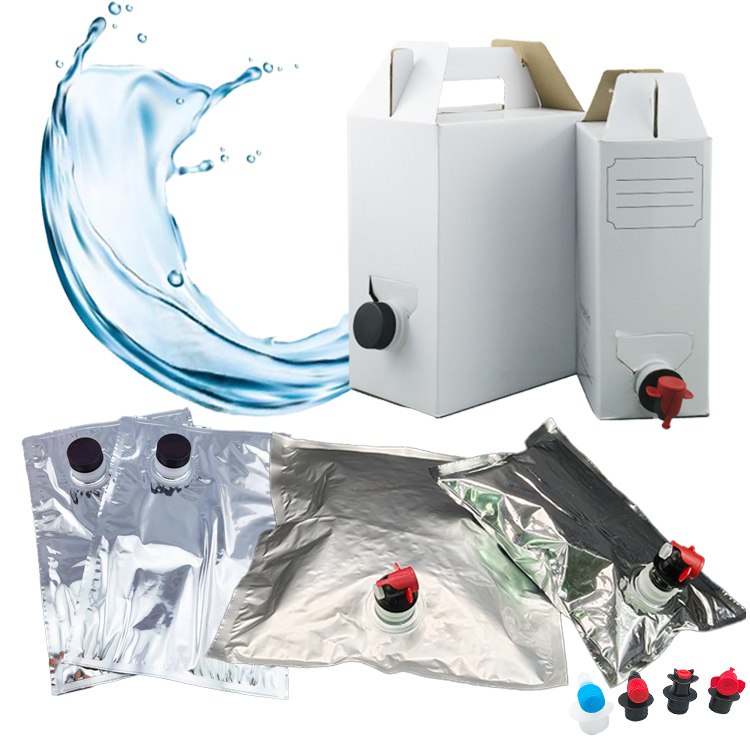
A weekend crowd tests every bag-in-box choice, so skip anything flimsy or prone to leaking after the first few pours. Look for boxes with reinforced spouts and thicker inner liners—these stand up to repeated handling when guests are refilling glasses on their own. Opt for larger formats, like 3-liter or 5-liter, but make sure the tap mechanism clicks shut cleanly; a sticky or drippy valve turns a countertop into a mess by Saturday afternoon.
Beyond durability, think about what actually gets finished in two days. Light, crisp whites and easy-drinking reds move fast, but even a decent rosé can disappear before dinner is over. Avoid overly tannic or heavy wines that people sip slowly, leaving half-empty boxes to oxidize. If you want one box that covers all bases, a dry Provençal-style rosé or an unoaked Chardonnay tends to survive both the heat of the day and a burger-heavy evening.
Placement matters as much as the wine itself. Keep the box in a shaded spot, away from direct sunlight and stove heat, and set it on a tray with a small towel underneath. A weekend crowd will forgive a lot if the last glass tastes as fresh as the first, so do a quick test pour before guests arrive and listen for that satisfying seal of the tap snapping back into place.
A Closer Look at the Tap System Everyone Gets Wrong
Most folks think a tap system is just a fancy way to push beer out of a keg, but the reality is far touchier. The biggest blunder is treating temperature as a minor detail. Keep the keg too cold and you will end up with a glass full of foam and a flat, lifeless pint underneath. Let it creep a few degrees too warm and the beer pours too fast, losing the crisp bite that makes a draft pour worth paying for. The sweet spot is narrower than most bars realize, and it shifts depending on the style of beer sitting in the line.
Then there is the pressure setting, which people love to crank up or dial down without a second thought. More pressure does not mean a faster, better pour—it usually means overcarbonated beer that spits and sputters out of the faucet. On the flip side, backing the gas off to kill foam just leaves you with a dull, undercarbonated mess. The right pressure depends on the length and diameter of the beer line, the keg temperature, and the specific carbonation level the brewer intended. Guessing here is how good beer gets ruined before it ever reaches the glass.
Cleaning might be the least glamorous part of draft service, but skipping it is the fastest way to make every pour taste off. Beer stone, yeast buildup, and invisible bacteria cling to the inside of lines and faucets, adding a musty or sour edge that no amount of fresh beer can mask. A proper cleaning schedule means taking the faucet apart, scrubbing the small parts, and running a real line-cleaning solution through the whole system—not just rinsing with hot water and hoping for the best. The bars that nail this are the ones where the same beer on tap tastes noticeably brighter than anywhere else.
Small Producers Quietly Embracing Bag in Box
A quiet shift is happening in tasting rooms and farm shops. Small wineries, cideries, and craft cocktail makers are turning to bag-in-box not as a compromise but as a deliberate choice. For many, it started with sustainability math: the packaging weighs less, stacks tighter, and cuts freight emissions. But the real appeal is what happens after opening—wine stays fresh for weeks, not days.
The format also lets producers experiment without the cost of bottling lines. A small batch of rosé or a single-origin cider can go straight into a three-liter box and sell at a price that makes sense for both sides. Tap rooms are filling boxes on demand, reducing waste and offering customers a casual, picnic-friendly option that doesn't scream 'budget.'
It's not flashy, and most won't advertise the switch. But ask a small producer why they moved to bag-in-box and you'll hear the same quiet logic: less packaging, longer shelf life, and a better fit for how people actually drink during the week. The box is no longer a secret; it's just not shouting.
The Packaging Choice Your Recycling Bin Will Thank You For
Think about the last time you tossed a box into the bin. Was it coated in plastic film, mixed with foam peanuts, or taped shut with shiny, non-recyclable strips? Most of us don’t give it a second thought, but the materials hiding inside your shipping box can make or break its second life. Choosing packaging that strips away those hidden barriers—plain cardboard, paper padding, water-based tape—means the whole thing can slide straight into the recycling stream without a single tear-down step for you.
The trick is to look for packaging that behaves like a single material. Corrugated cardboard boxes with no glossy lamination, paper void fill instead of bubble wrap, and even molded pulp inserts instead of Styrofoam blocks. These choices save you from playing the “is this part recyclable?” guessing game while standing over the bin. When everything is fiber-based and free of plastic windows or wax coatings, your local facility can process it without contamination, and you get the quiet satisfaction of knowing nothing is heading to the landfill on your behalf.
Some brands have started printing simple recycling instructions right on the inside flap—minimal ink, no confusing symbols, just a nudge like “flatten and recycle with paper.” That small gesture removes the last bit of doubt. And when you make a habit of choosing those minimal, mono-material packages, your recycling bin stops being a final resting place for wrappers and starts being a true collection point. It’s a tiny shift in buying habits that pays off every time you take out the recycling.
Why the Best Bag in Box Picks Aren’t What You Expect
Most people assume the top bag-in-box options are the ones with the flashiest labels or the longest shelf presence. Yet the real standouts often hide in plain sight—lesser-known producers who obsess over liner thickness, tap durability, and oxygen ingress rather than marketing budgets. The packaging that looks premium on the outside doesn’t always deliver the freshest pour three weeks after opening.
Take a closer look at the valve mechanism, for instance. A cheaply made tap can dribble, leak, or let air sneak back in, ruining what’s inside long before you’ve finished it. Meanwhile, some budget-friendly brands invest heavily in multi-layer bladders and precision taps that outperform their pricier counterparts. It’s the details you never see on a store shelf that separate a truly smart pick from a forgettable one.
Next time you reach for a box, skip the assumption that higher price equals better design. Read the fine print, check user reviews for long-term freshness, and don’t be afraid to try an unfamiliar name. Chances are, your best bag-in-box experience won’t come from the brand you expected—and that’s exactly the point.
FAQ
The tap and collapsible pouch keep air out far longer than a cork or screwcap, so you can pour a single glass without worrying the rest will spoil within a day or two. Look for a tight, drip-free valve and a box that’s sturdy enough to survive being moved around.
Young, fruit-forward whites and easy reds tend to shine because they don’t rely on long aging. Sauvignon Blanc, Pinot Grigio, rosé, and soft Merlot or Shiraz blends usually stay lively for weeks after opening, while tannic or heavily oaked styles can taste flat sooner.
Most good systems keep wine drinkable for four to six weeks if stored in a cool spot away from sunlight. The exact window depends on the tap seal and how much air gets pulled in, so treat that range as a guide rather than a guarantee.
Three-litre boxes are the sweet spot for everyday drinking: they cost less per glass than a 750ml bottle and don't force a commitment to a huge 5L. If you host often, a 5L of crisp white or rosé can cover a full dinner without needing to open multiple bottles.
Yes, especially for batched cocktails like margaritas, negronis, or spritzes. The pouch dispenses consistent pours and keeps the mix stable. A few small producers also package vermouth and ready-to-drink cocktails this way, though you'll want to check the alcohol level and storage guidance.
Look at the fill date or best-before label, and make sure the tap feels solid rather than flimsy. If the box has been sitting under bright store lights for a long time, pass on it; heat and light are the biggest enemies of freshness before you even open it.
The cardboard and lightweight pouch usually cut transport emissions and require less energy to recycle in many areas, but not every facility accepts the plastic bladder. Check your local recycling program; some brands now use pouches made with fewer layers or partly plant-based materials.
Conclusion
The long-overdue revival of boxed wine isn’t about nostalgia—it’s about practicality meeting quality. A bag-in-box that survives a weekend crowd is no longer a punchline; the inner bladder collapses as you pour, keeping air out so the last glass tastes nearly as fresh as the first. But most people get the tap system wrong: they yank it open, let wine dribble down the spout, and then complain about a sticky mess. A slow, deliberate press and a quick wipe after each pour—plus storing the box upright—makes a real difference. These small habits let a three-liter box stay drinkable for weeks, which is exactly why it earned a place at casual get-togethers.
Small producers are quietly embracing bag-in-box because it cuts shipping weight and packaging waste, and your recycling bin will thank you—separate the cardboard sleeve from the plastic bladder, and most curbside programs handle the rest. The best recommendations aren’t the cheap, mass-market reds you remember from college. Instead, look for crisp whites, dry rosés, or even a chilled red blend from lesser-known vineyards. They often put better juice inside because the format rewards freshness over oak and extraction. So the unexpected picks—an Albariño from a coastal co-op, a Grillo from Sicily—tend to outshine the familiar big brands, and that’s where your attention should go.
Contact Us
Contact Person: Cindy Lee
Email: [email protected]
Tel/WhatsApp: 8613622669331
Website: https://www.dgkody.com