

Best Stacking Door Designs for Seamless Indoor-Outdoor Living
2026-07-24
Imagine sliding open a wall of glass and stepping into your garden without a single barrier in sight. Stacking doors make this dream a reality, blending indoor comfort with outdoor freedom. Whether you're hosting a summer party or enjoying a quiet morning coffee, the right design transforms how you experience your home. At NORTON, we specialize in premium stacking door solutions that combine sleek aesthetics with effortless operation, ensuring your living space flows beautifully into nature. In this guide, we explore the best stacking door designs to inspire your next upgrade.
Frameless Illusions: Expanding Your Space Without Walls
A room without a frame can feel surprisingly boundless. When you strip away heavy borders, edges stop confining and start conversing with the light. Glass partitions, open shelving, and sliding panels shift the way you perceive depth, turning a single area into something that breathes and changes with the day.
Texture does much of the heavy lifting here. A mirrored wall doesn't just reflect—it doubles the visual footprint without moving an inch. Semi-transparent materials blur boundaries gently, so a workspace tucked behind a frosted screen feels private yet never cut off. Even a simple change, like running the same flooring through adjacent rooms, stitches separate zones into one calm, continuous flow.
It's the detail that makes the difference, too. Instead of a solid wall, consider a planted divider—living green filters the air and softens the line between inside and out. When furniture floats away from corners and sightlines stay unblocked, the result isn't just a bigger-looking room; it's a space that invites you to move freely and rest expansively.
Pocketing Panels: The Art of Disappearing Doors
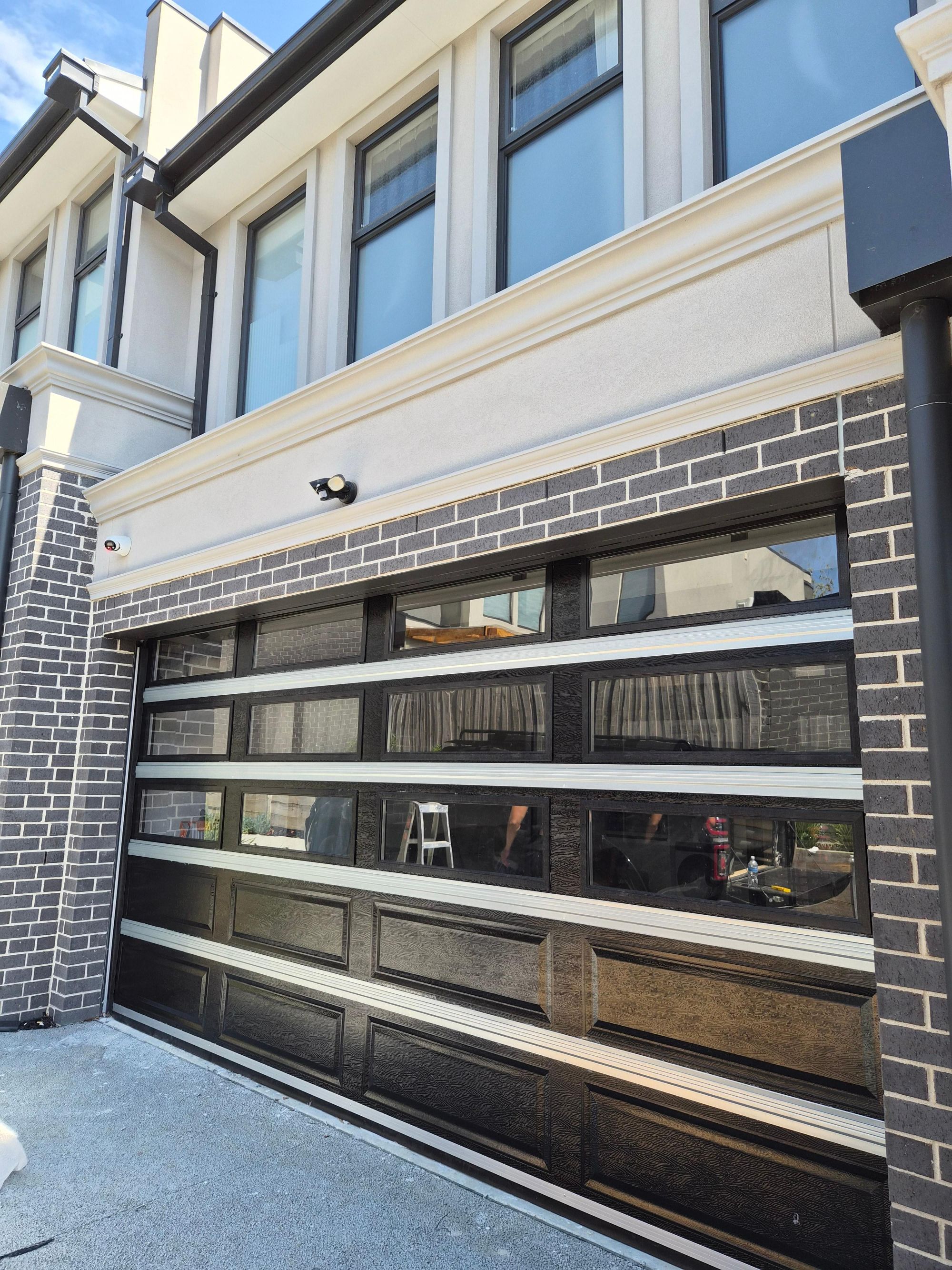
Pocketing panels transform the way we think about space. Instead of swinging open and eating up valuable square footage, these doors glide neatly into a hidden cavity within the wall. The result is a seamless, uncluttered aesthetic that makes rooms feel larger and more fluid. It’s a clever architectural trick that dates back centuries, yet modern hardware and precision engineering have made it more reliable and accessible than ever.
The real beauty lies in the details. From the choice of track systems—whether surface-mounted for easy retrofitting or concealed for a flush, minimalist look—to the tactile experience of the soft-close mechanism, every element contributes to the illusion. High-quality pocket doors disappear without a trace, leaving behind only a recessed pull or a discreet edge to indicate they were ever there. Materials, too, play a starring role: solid wood adds warmth and substance, while translucent panels can borrow light between rooms, subtly redefining boundaries.
Installation demands precision, but the payoff is transformative. Contractors must frame the pocket carefully, ensuring the cavity is perfectly straight and the door has room to glide without friction. When done right, it’s not just a door—it’s a vanishing act that reimagines how we interact with our environments. Whether separating a kitchen from a dining area or tucking away a home office, pocketing panels turn transitions into quiet, almost magical moments.
Thermal Performance Meets Panoramic Views
There’s a certain magic in standing by a window that frames the outdoors perfectly while keeping the interior snug. It’s not just about glass and frames—it’s about balancing the desire for sweeping views with the need for steady indoor temperatures. When thermal efficiency and visual openness work together, the result feels less like a technical achievement and more like a quiet daily luxury.
Modern systems blend low-emissivity coatings, insulated profiles, and clever structural design to maintain comfort without sacrificing the view. The technology fades into the background, leaving you with clear sightlines that invite the outside in—no cold spots near the glass, no condensation clouding the scenery. It’s a seamless conversation between your living space and the landscape, where each season shows up vividly while the indoor climate remains undisturbed.
What sets this apart is how naturally it integrates into real life. Mornings feel brighter without a chill near the windows, and evenings settle in calmly, no matter how sharp the temperature drops outside. The view becomes part of the room’s character rather than an afterthought, and the warmth wraps around you so consistently you stop noticing it’s engineered—it just feels right.
From Industrial Lofts to Coastal Retreats: Style Adaptations
Transplanting the raw, utilitarian soul of an industrial loft into a coastal setting demands a thoughtful dance between grit and calm. Where exposed ductwork and weathered steel once dominated, lighter metals like brushed nickel or matte white iron step in, echoing the original structure without weighing down the airy rooms. Concrete floors are softened with light-washed wood or polished limestone, and oversized factory windows—trademarks of loft living—are reinterpreted as floor-to-ceiling sliders that dissolve the boundary between indoors and the salt-kissed breezes.
Meanwhile, the palette undergoes a deliberate softening. Charcoals and oxidized blacks give way to misty grays, sand-drift beiges, and sea-glass greens, yet the industrial spirit persists through material honesty. Reclaimed timber beams, still bearing the marks of their former life, become a sculptural focal point above a driftwood-framed dining table. Brick walls, once left raw, now wear a thin whitewash that lets the texture speak while reflecting the coastal light, proving that modest interventions preserve the loft’s forthright nature.
Furnishings become the bridge between two worlds. A sleek leather armchair sits comfortably beneath a canopy of linen drapes, while a stainless steel kitchen island is crowned with a slab of honed Carrara marble that recalls both factory benches and seaside cliffs. Vintage metal lockers are repurposed as pantry storage, their painted patina telling stories of shipyards rather than factories, and woven abaca rugs layer warmth over cool concrete. The adaptation succeeds by refusing to erase the loft’s muscular history, instead inviting it to converse with the horizon’s endless pull.
Smooth Glides: The Engineering Behind Effortless Operation
The secret to that satisfying, frictionless glide lies in a meticulous blend of material science and precision manufacturing. Every surface that makes contact is engineered with microscopic attention, from the carefully selected polymers that reduce resistance to the high-grade lubricants sealed within the mechanism. These elements aren’t just assembled—they’re harmonized, ensuring that the force you apply translates into fluid motion without hesitation or catch. It’s a quiet kind of mastery that turns a simple push or pull into an almost tactilely pleasing experience.
Beyond the materials, the architecture of the sliding components plays a crucial role. Tolerances are calculated down to the micron, allowing parts to glide past one another with an air of effortlessness. Ball bearings or linear rails—depending on the design—are integrated in ways that distribute load evenly, eliminating the stutter and drag that plague lesser mechanisms. This isn’t just about smoothness for its own sake; it’s about creating a system where every movement feels natural, reliable, and oddly satisfying, even after thousands of cycles.
Durability is part of the engineering equation too. Protective seals keep contaminants out while retaining the essential lubricants that keep motion silky. Advanced damping techniques absorb micro-vibrations before they can translate into the jerky feedback that disrupts a seamless glide. It’s this thoughtful layering of precision, protection, and material synergy that transforms a mechanical function into a sensation—one that feels less like operating a device and more like an extension of your own intent.
Year-Round Comfort: Sealing Out the Elements
A home that stays cozy in winter and cool in summer isn’t just about the HVAC system—it starts with how well your living space is sealed against the outside world. When gaps around windows, doors, and even electrical outlets go unchecked, they invite drafts, moisture, and unwelcome temperature swings that make your heating and cooling work overtime. Sealing these openings isn’t a one-time fix; it’s an ongoing attention to the way your home breathes. Materials like weatherstripping, caulk, and spray foam become your first line of defense, creating a snug barrier that keeps the climate-controlled air exactly where you want it. Properly applied, these solutions stop air leaks quietly and efficiently, often without any visible sign that they’re there at all.
Beyond the obvious comfort benefits, sealing out the elements has a direct impact on indoor air quality and overall wellbeing. Unsealed gaps let in more than just air—they can bring pollen, dust, and even insects into your living areas, which is a nightmare for anyone with allergies or respiratory sensitivities. By taking the time to inspect and seal these weak points, you’re essentially creating a cleaner, more controlled environment. It’s surprising how often the culprit behind that stubborn musty smell or the room that never quite heats up is a tiny crack hidden beneath a baseboard or around a pipe penetration. Addressing these spots transforms the atmosphere of your home, making it feel fresher and more consistently comfortable no matter what the weather throws at it.
Maintaining this year-round comfort doesn’t demand constant effort; a seasonal walk-through is usually enough to catch any new trouble spots. Pay attention to areas that flex with temperature changes—exterior door frames, window sashes, and attic hatches are especially prone to developing gaps over time. Modern sealing products are designed to withstand expansion and contraction without cracking or peeling, which means a little upkeep goes a long way. The real payoff is the subtle, steady change you’ll feel: no more cold floors in January, no humid drafts in July, and a noticeable drop in outside noise that makes your home feel like a true retreat. It’s one of those behind-the-scenes improvements that quietly elevates everyday living.
FAQ
They open fully to create a broad, unobstructed passage, erasing the boundary between inside and out. When folded neatly to the side, they let in fresh air and natural light while maintaining a clean architectural look.
Aluminum and fiberglass are top choices for longevity. Aluminum resists corrosion and handles extreme weather without warping, while fiberglass offers excellent insulation and can mimic wood grain textures for a classic feel.
Single-track systems keep the doors on one plane, ideal for minimalist designs and tighter spaces. Multi-track options allow more panels to stack into a narrower pocket, suiting wider openings where you want maximum glass when closed.
Absolutely. Modern designs include multi-point locking mechanisms, reinforced tracks, and laminated or tempered glass to deter break-ins. With proper installation, they’re just as secure as standard hinged doors.
Yes, most manufacturers offer bespoke sizing and configurations. You can specify exact dimensions, panel counts, and swing directions to match unique architectural layouts without compromising performance.
Regular cleaning of tracks with a vacuum or brush removes debris that can cause sticking. Applying a silicone-based lubricant to rollers and hinges every few months keeps operation buttery. Inspect weatherstripping annually for gaps.
Yes, thermally broken aluminum frames and double or triple glazing provide excellent insulation. Low-E coatings and argon-filled glass help retain heat indoors, making them energy-efficient even in chilly regions.
Conclusion
The best stacking door designs transform the way we experience home by erasing the line between interior comfort and outdoor freshness. Frameless illusions do away with bulky frames, offering floor-to-ceiling glass that seems to extend living space into the garden or patio without a single visual interruption. When fully retracted, pocketing panels disappear completely into wall cavities—an almost magical trick that leaves wide, unobstructed openings. This design versatility shines in settings from urban industrial lofts, where large openings emphasize raw spaciousness, to breezy coastal retreats that crave a seamless flow to decks and dunes. By adapting to any architectural language, these doors not only expand your square footage but also your sense of freedom.
Yet style means little without substance. Modern stacking doors marry panoramic views with high thermal performance, using insulating glass and thermal breaks to keep interiors comfortable in every season. Sophisticated gaskets and multi-point locks seal out wind, rain, and street noise, ensuring that even when closed, the connection to outdoors remains purely visual—never drafty. The smooth glide of these heavy panels is an engineering feat; precision bearings and low-friction tracks allow a child to slide them open effortlessly. From sun-drenched summer days to chilly winter evenings, you enjoy a living space that adapts seamlessly, always ready to welcome the outside in or shut it out with equal grace.
Contact Us
Contact Person: Cyril He
Email: [email protected]
Tel/WhatsApp: 8613969697307
Website: https://cqyqgd.en.alibaba.com/