
China PP Woven Bag: Durable, Affordable & Versatile Packaging Solution
2026-08-06
When it comes to packaging that can truly stand the test of time without breaking the bank, polypropylene (PP) woven bags have become the unsung heroes of industries worldwide. But what if you could get that same durability and versatility—directly from a source known for combining quality with affordability? Enter CHALLENGE WOLVES, a name redefining the way businesses think about bulk packaging. Whether you're shipping agricultural products, construction materials, or chemicals, the right woven bag can make all the difference. This post explores why China-made PP woven bags are taking center stage, and why CHALLENGE WOLVES might just be the partner you’ve been searching for.
Built to Last: Inside the Material Science of Woven PP
At the core of woven polypropylene’s exceptional durability lies its unique molecular structure. The material starts as a thermoplastic polymer, composed of long chains of propylene monomers. Through a carefully controlled extrusion process, these chains are stretched into thin, flat tapes, aligning the molecules in a parallel orientation. This alignment, known as unidirectional drawing, dramatically increases the tape’s tensile strength and stiffness along its length, creating a fiber that resists stretching and snapping even under heavy loads.
The weaving technique further amplifies this inherent strength. By interlacing these high-tenacity tapes in a crisscross pattern—typically a plain weave—the fabric gains dimensional stability and tear resistance in multiple directions. The intersections act as locking points, preventing individual tapes from slipping or shifting when force is applied. Additionally, the weave’s geometry creates a natural flexibility, allowing the material to absorb impacts and conform to irregular shapes without cracking. This combination of rigidity and pliability is what makes woven PP ideal for demanding applications, from bulk packaging to geotextiles.
Durability isn’t just about short-term strength; it’s also about long-term resilience. Woven PP is engineered to withstand environmental stressors that degrade other materials. Polypropylene is inherently hydrophobic, repelling water and resisting mildew or rot. It also offers excellent resistance to many chemicals, oils, and alkalis. Modern manufacturing often incorporates UV stabilizers into the polymer blend, slowing the breakdown caused by sunlight exposure. This careful material science ensures that woven PP products maintain their integrity through repeated use, harsh weather, and rough handling—truly built to last.
More Than a Grain Sack: Surprising Industries Adopting These Bags
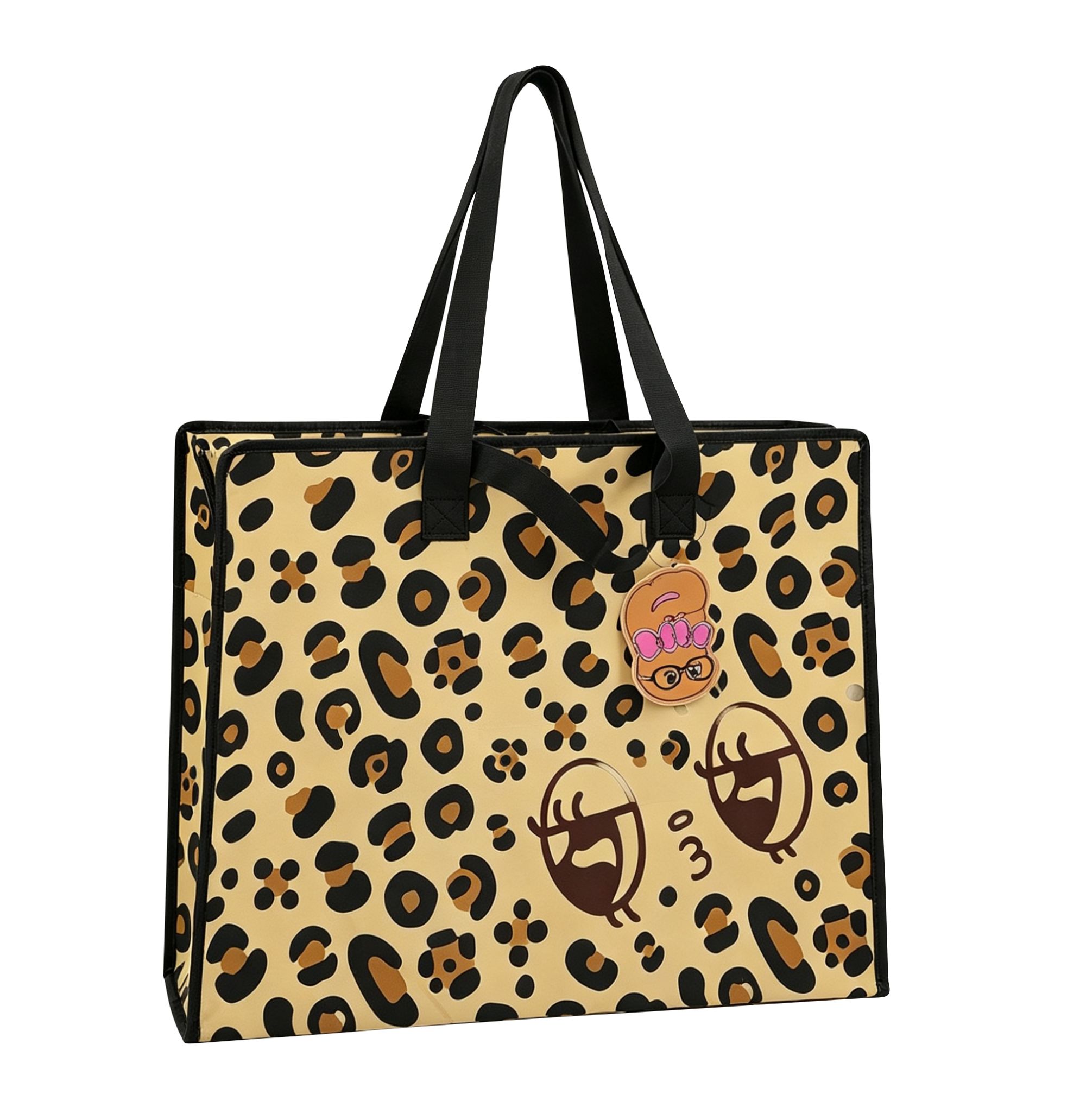
It’s funny how something as humble as a grain sack can slip out of the barn and into the most unexpected places. These rugged, textured bags, once only seen hauling oats or coffee beans, are quietly showing up in industries that have nothing to do with farming. From boutique hotels to wedding planners, people are grabbing them for their raw, organic look that feels both nostalgic and fresh. There’s a certain charm in the faded logos and jute fibers that no mass-produced fabric can replicate.
Fashion designers have been early adopters, turning old coffee sacks into totes, backpacks, and even jackets that carry a story with every frayed edge. Home décor brands are also cashing in, stitching them into throw pillows, table runners, and lampshades that add an earthy, lived-in vibe to modern spaces. Even the craft beer scene has embraced them—taprooms drape the sacks on walls or repurpose them into menu covers, weaving a bit of agricultural history right into the customer experience.
What’s really driving this is more than just aesthetics. These bags bring a sustainable, low-waste option to industries that are sick of disposable packaging and synthetic materials. A grain sack can live a second life as a plant holder on a café patio, a rustic backdrop at a farmers’ market photo booth, or a one-of-a-kind upholstery accent in a trendy co-working loft. It’s resourcefulness meets style, and the list of adopters keeps growing in directions no one saw coming.
Cost-Smart Packaging That Won't Break Your Budget
Trimming packaging costs doesn’t mean you have to settle for flimsy materials or generic designs. The trick lies in smart material choices and structural efficiency. For instance, switching to lightweight yet durable alternatives can drastically cut shipping fees without compromising protection. Many businesses overlook the fact that small adjustments, like optimizing box dimensions to reduce wasted space, yield significant savings over time. It’s about rethinking the package from the ground up—selecting substrates that offer strength with less mass, and designing shapes that nest efficiently during transport. This approach keeps your product safe while keeping your wallet happy.
Another angle is to simplify printing and finishing. You don’t always need full-color graphics or lavish coatings to make an impact. A clean, minimal design with strategic use of spot colors can look upscale without the premium price tag. Consider utilizing digital printing for shorter runs, which eliminates plate costs and allows you to tweak designs on the fly. Some brands even embrace the raw texture of recycled materials as part of the aesthetic, turning a cost-saving measure into a unique brand statement. It’s proof that creativity often trumps a big budget when it comes to leaving a memorable impression.
Finally, think about the whole lifecycle. Packaging that’s easy to collapse, stack, or return reduces overhead far beyond the initial purchase. Reusable designs or those that double as storage containers add value for customers, making them more likely to hold onto your packaging—and your brand. Even better, source locally when possible to slash transit costs and lead times. By aligning your packaging strategy with these practical, common-sense principles, you can cut expenses while still delivering a top-notch unboxing experience that resonates with your audience.
A Lighter Footprint: How PP Woven Aligns with Green Goals
Polypropylene woven materials have quietly become a practical ally in sustainability efforts, thanks to their lightweight nature and surprising durability. Unlike heavier alternatives that demand more fuel for transport, these fabrics help cut down on emissions long before they reach the end user. Their resistance to moisture and tearing also means fewer replacements, stretching the lifespan of products like reusable bags and industrial packaging far beyond single-use plastics.
Another often-overlooked advantage lies in the recycling loop. PP woven can be melted down and reformed multiple times without severe degradation, closing the loop in a way that feels effortless. When paired with thoughtful design—such as easy disassembly for recycling—it sidesteps the usual guilt of disposable culture, offering a viable path toward resource efficiency that doesn’t scream for attention.
Make It Yours: Customizing Size, Print, and Strength
Shaping a product to fit your exact needs starts with dimension controls that feel effortless. Whether you need a compact solution for tight spaces or a stretched version to cover more ground, the scale adjusts smoothly without compromising structural integrity. The interface lays out simple sliders and numeric inputs, so you see proportions change in real time—no guesswork, just immediate visual feedback that matches your intent.
Surface artistry turns a basic item into something unmistakably yours. From crisp monograms to full-coverage patterns, the print module lets you upload designs, tweak placement, and even experiment with layered effects. You can shift from a subtle tone-on-tone look to a bold, graphic statement in seconds. Every detail remains sharp because the system maintains resolution scaling automatically, so what you see on screen is exactly how it emerges in the final piece.
Strength customization isn't just about material thickness—it's about dialing in the right balance between flexibility and durability for how you'll actually use the object. Toggle reinforcement zones, adjust infill density, or select from a range of composites that react differently under stress. The preview panel highlights potential weak points and suggests tweaks, giving you the insight to build something that holds up under your specific conditions, all without needing an engineering background.
From Storage to Shipment: Seamless Handling Across the Supply Chain
Moving goods from a storage facility to their final destination is rarely a straight line. It involves a series of coordinated steps—inventory checks, picking, packing, labeling, and dispatch—that can easily break down if not managed with precision. The key isn't just speed; it's the ability to adapt when orders change, shipments get rerouted, or demand spikes unexpectedly. A well-tuned operation treats these moments not as exceptions, but as part of the everyday flow.
Technology plays a quiet but essential role in keeping things moving. Real-time tracking systems give both teams and customers a clear view of where a shipment is and when it will arrive, while automated sorting and barcode verification cut down on human error. But tools alone aren't the answer. The real difference comes from having processes that let warehouse staff and logistics partners communicate instantly, so that a delay in one area triggers a quick adjustment elsewhere instead of a cascading problem.
Ultimately, seamless handling is about removing the friction between storage and shipment. When a package leaves the shelf, it should already be on a path that makes sense for the carrier, the route, and the recipient. That might mean staging outgoing orders by delivery zone, consolidating shipments to reduce handling, or dynamically choosing the most efficient shipping method based on current conditions. It's this behind-the-scenes choreography that turns a simple storage facility into a true fulfillment engine.
FAQ
These bags are crafted from polypropylene strips woven into a tight, resilient fabric that resists tearing and punctures, making them ideal for transporting bulk goods like grains, sand, and cement without unexpected ruptures.
Thanks to efficient manufacturing and abundant raw materials, they come at a fraction of the price of jute, paper, or rigid containers, offering substantial savings especially when purchased in large volumes.
They can be laminated for moisture protection, printed with custom branding, fitted with liners for fine powders, or sewn into countless shapes and sizes, serving agriculture, construction, food processing, and even flood control efforts.
Unlike cheap single-layer plastic bags, the woven structure provides excellent load capacity and breathability while still being lightweight, and they can be reused multiple times before recycling.
With UV-stabilized versions available, they resist sun damage for outdoor storage, and laminated options block humidity and dust, keeping contents dry and uncontaminated in harsh conditions.
Yes, because polypropylene is recyclable and the bags themselves are reusable, companies can reduce single-use waste, and many Chinese manufacturers now incorporate recycled content into new woven fabrics.
Wide openings simplify filling, optional spouts allow precise pouring, and sturdy lift loops enable safe hoisting by cranes or forklifts, minimizing spillage and labor effort on site.
Conclusion
China's PP woven bags have evolved into a packaging mainstay, prized for their unique blend of toughness and adaptability. The secret lies in polypropylene tapes woven into a tight, fabric-like structure that resists tearing, moisture, and UV damage far better than paper or non-woven alternatives. This material science backbone means they can handle everything from sharp-edged construction rubble to finely milled flour without bursting. But they are no longer confined to agricultural bulk. You'll now find them customized for high-end retail, pet food, chemicals, and even flood-control barriers, each with tailored lamination, valve closures, or anti-static coatings. The manufacturing ecosystem in China supports quick-turn sampling and low minimum orders, making it practical for startups to test unique shapes or reinforced handles without overcommitting.
Beyond brute strength, these bags carry a compelling cost story. A standard 50kg sack often costs pennies more than a plastic film bag but lasts multiple trips, slashing per-use expenses. Recyclability adds another layer of value—many producers now use regrind material or offer take-back schemes that align with corporate sustainability targets. Lightweighting further trims freight costs and carbon footprint, while flat-weave construction allows efficient palletization, saving warehouse space. Custom printing comes in gravure or flexo, reproducing crisp logos and handling instructions that survive rough transit, reinforcing brand visibility from factory floor to retail shelf. Whether you need a single SKU flood bag or a fully branded feed sack with liner, the supply chain has matured to deliver consistent quality and on-time shipments, making these woven workhorses a quietly brilliant choice for modern logistics.
Contact Us
Contact Person: Tony
Email: [email protected]
Tel/WhatsApp: +8615859766913
Website: https://www.cw-pak.com