

China Waxed Corrugated Boxes: The Ultimate Guide to Waterproof Packaging
2026-06-16
When ordinary cardboard boxes crumble under moisture, there's a silent hero that holds strong—waxed corrugated boxes. Born from China's advanced manufacturing hubs, these rugged containers blend the lightweight convenience of corrugated paper with a wax-infused shield that repels water, humidity, and even grease. Whether you're shipping ocean-fresh seafood, delicate electronics, or perishable goods, the right waterproof packaging can mean the difference between a five-star review and a soggy disaster. This guide unpacks everything you need to know: how the waxing process works, which industries rely on it, and why global brands are turning to specialists like ShiTeng Packaging for custom solutions that won't let you down. Dive in to discover how a little wax can redefine your packaging strategy.
Why Waxed Corrugated Boxes Outperform Standard Packaging in Wet Conditions
When moisture becomes a factor, standard corrugated boxes quickly lose their structural integrity. The untreated kraft paper absorbs water like a sponge, causing the fluting to collapse and the box to buckle under even light pressure. Waxed alternatives, however, are impregnated with a moisture-resistant coating that repels water on contact. This barrier prevents liquid from saturating the fibers, so the box maintains its shape and stacking strength despite prolonged exposure to rain, high humidity, or direct contact with wet surfaces.
Beyond raw durability, waxed boxes offer a notable advantage in protecting their contents. Once a standard box gets wet, not only does it weaken, but the dampness can also transfer to the products inside, leading to damaged goods, unsightly staining, or even mold growth. The wax layer acts as a shield, keeping the interior environment stable and dry. This makes them especially valuable for shipping produce, frozen foods, or items that are sensitive to moisture variations, where maintaining the original condition is non-negotiable.
The real-world benefits become clear in supply chain scenarios where temperature shifts cause condensation, or where floors might be damp. Stacked standard boxes can soften from the bottom up, often leading to toppled pallets and loss. Waxed boxes maintain their rigidity, ensuring safer storage and fewer returns. Although they may come with a slight cost premium, their performance in challenging conditions reduces waste and prevents the hidden expenses of replacing damaged shipments, ultimately proving their worth across multiple uses.
Inside the Manufacturing Process: How China Produces Waterproof Corrugated Solutions
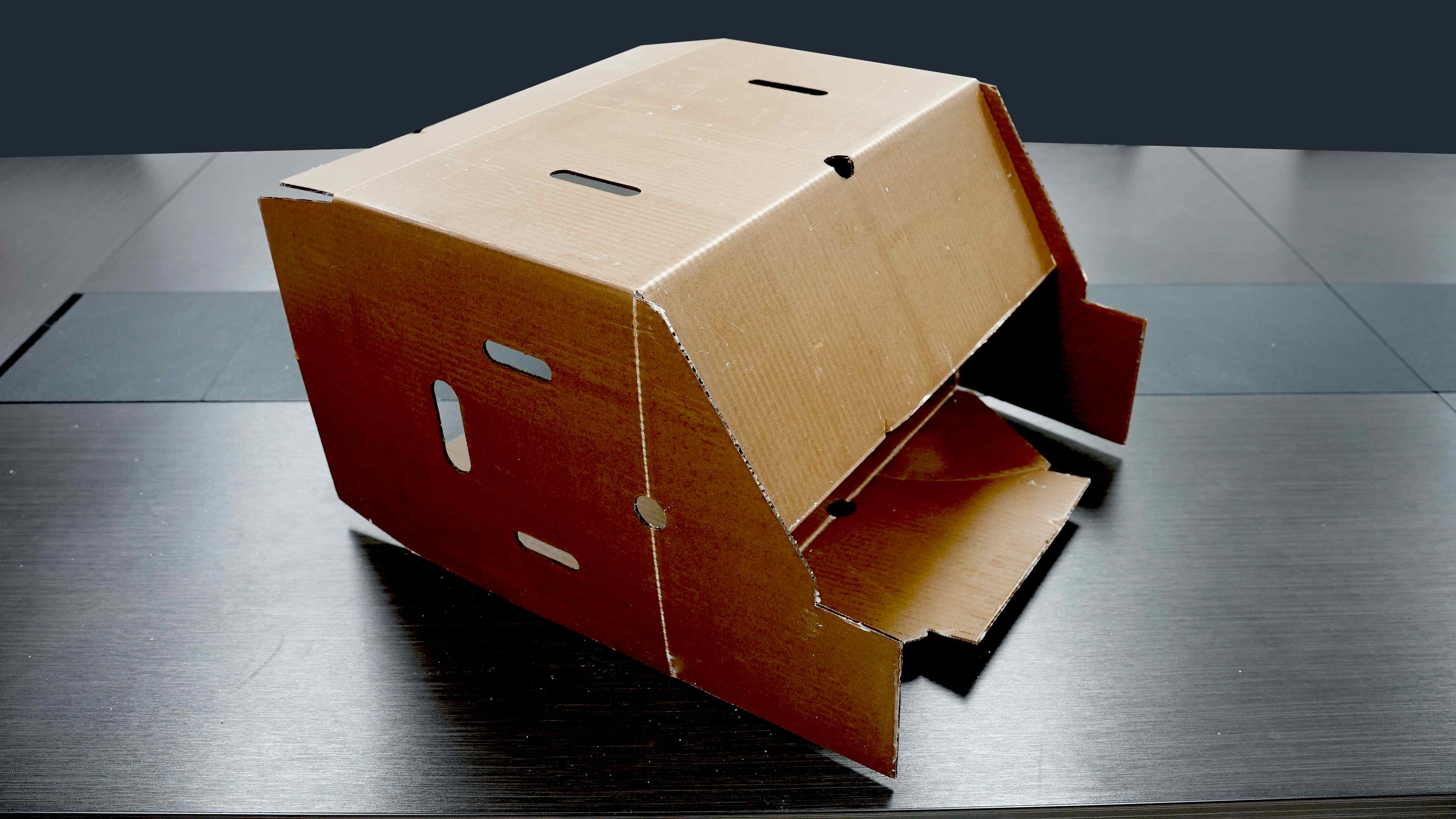
Walking through a typical production facility in Guangdong, you’ll notice the process begins not with machinery, but with raw material selection. High-grade kraft paper is sourced from certified mills—often a blend of virgin fibers for strength and recycled content for flexibility. This paper undergoes a rigorous conditioning phase where it’s unwound from massive rolls and fed through a corrugator. Here, steam and pressure shape the distinctive fluted medium between two flat liners. What sets Chinese manufacturing apart isn’t just the speed, but the precision with which adhesives are applied—a starch-based glue, customized in-house, ensures the bond stays intact even under prolonged moisture exposure.
The waterproofing stage is where things get interesting. Rather than relying on a single coating method, many factories use a tandem approach. First, a thin curtain of molten wax or polymer blend cascades over the corrugated sheet, sealing the surface pores. Immediately after, precision spray nozzles mist a secondary compound—often a water-based acrylic dispersion—that cures into a flexible, hydrophobic skin. Temperature and humidity within the drying tunnels are monitored in real time; a deviation of just a few degrees can compromise the barrier. Operators adjust the line manually, tapping touchscreens that control conveyor speed and air circulation. This human oversight, combined with automated checks, creates a consistency that bulk production alone can’t guarantee.
Quality verification doesn’t end at the factory floor. Random samples are pulled every hour and subjected to a barrage of tests: edge-immersion assays that check for wicking, accelerated aging under UV lamps, and burst-strength measurements after freeze-thaw cycles. One facility I visited even submerges finished boxes in a saltwater tank for days to simulate maritime shipping conditions. Engineers pore over the data, tweaking formulations and line parameters daily. That iterative loop—feedstock to finished good—is what keeps these solutions not just waterproof, but reliable in climates from humid Singapore to icy Poland. It’s a blend of chemistry, mechanical engineering, and sheer attention to detail that turns simple paper into something remarkably durable.
Key Industries That Depend on Wax-Coated Corrugated for Shipment Safety
When shipments involve moisture, condensation, or outright drenching, wax-coated corrugated becomes more than packaging—it's a lifeline. The food sector leans on it heavily, especially for fresh and frozen proteins. Think seafood packed in ice, poultry that sweats during transit, or produce that releases humidity inside a refrigerated truck. Without that wax barrier, ordinary boxes would buckle, turning a pallet of premium salmon into a soggy mess. It’s not just about keeping the box intact; it’s about preserving perishable inventory from the cold chain’s harsh realities, where a collapsed container can mean rejection at the dock.
Beyond the cold aisle, agricultural shippers rely on wax-coated boxes to move everything from leafy greens to delicate berries, often stored in high-humidity coolers. Florists depend on them too—flower stems are usually packed in water-saturated wraps, and a standard corrugate would dissolve before the bouquet arrives. Even certain industrial goods, like oily machine parts or bagged powders that attract moisture, use these boxes to avoid cross-contamination and structural failure. In every case, the shared thread is simple: when the product and the environment conspire against cardboard, the wax coating steps in as the quiet failsafe that keeps logistics rolling.
Comparing Wax Types: Paraffin vs. Blended Coatings for Moisture Defense
Straight paraffin has long been a go‑to for basic moisture barriers, largely because it’s cheap and widely available. It forms a relatively hard, continuous film that sheds water effectively in mild, short‑term scenarios. The downside is that paraffin can become brittle over time, especially with temperature swings, leading to cracks that compromise the seal. Once the film is breached, moisture wicks through quickly, and the protection is essentially gone. For applications where flexibility and longevity are less critical—say, a wax coating on a paperboard box that won’t be handled much—paraffin does the job without breaking the budget.
Blended coatings take a different approach by mixing paraffin with microcrystalline waxes, polymers, or tackifying resins. This tweak adds pliability and adhesion that pure paraffin lacks. The resulting film stretches slightly under stress instead of fracturing, and it clings better to uneven or fibrous surfaces. Blends can be tailored for specific conditions: some are formulated to remain tacky and self‑healing, while others cure into a tougher, matte finish. Because the components work together, the moisture barrier tends to hold up longer against humidity, vibration, and handling—key advantages in shipping or outdoor storage.
When you put them side by side, the choice often comes down to balancing cost against performance under real‑world stress. Paraffin works adequately for static, low‑impact uses where upfront expense is the main concern. But once temperatures fluctuate or the package gets knocked around, blended coatings show why they’re worth the extra investment. They provide a more forgiving, adaptable shield that keeps moisture out even when the surface expands, contracts, or gets scuffed. In sectors like food packaging or metal parts preservation—where a failed barrier means product loss or corrosion—blends are increasingly the default. Still, if the application doesn’t push those limits, plain paraffin remains a perfectly reasonable option.
Practical Tips for Sourcing Reliable Waxed Boxes from Chinese Suppliers
A factory's willingness to let you peek behind the curtain often separates the dependable suppliers from the rest. Instead of accepting sample photos at face value, ask for a live video tour that focuses on the wax application area—look at how the machinery is maintained and whether the coating layer appears uniform. Quick, sloppy passes over the cardboard usually result in boxes that warp or absorb moisture unevenly during transit. If you can, time these calls for their busy production periods; a calm, orderly workflow under pressure tells you more than a scripted Monday morning walkthrough.
Don’t settle for generic wax descriptions either. Microcrystalline blends behave far better in cold storage than plain paraffin, which tends to turn brittle. Request a handful of samples, then put them through your own stress tests: freeze one, leave another in a humid garage for a week, and stack heavy items on a third. The goal is to expose weak spots that spec sheets never mention. If the supplier pushes back on customization or can’t explain their wax sourcing, it’s a red flag—good coatings come from a thoughtful recipe, not just dipping boxes in whatever’s cheapest.
Finally, invest a little effort in befriending the production line supervisor rather than just the account manager. These are the people who know which batches had machine hiccups or when a new wax shipment behaved oddly. A casual WeChat check-in before your order runs can catch inconsistencies early, saving you from unpacking soggy, subpar cartons later on. Over time, this rapport leads to more consistent output, because you’re no longer an anonymous buyer but a partner they don’t want to let down.
Sustainability and Waxed Corrugated: Addressing Environmental Concerns
Waxed corrugated packaging has long been a preferred choice for industries that require moisture-resistant, durable containers—think fresh produce, meats, and seafood. Yet its environmental reputation has often been questioned. Traditional paraffin-based waxes can complicate the recycling process, as they don't fully break down during pulping. This has led to a perception that waxed boxes are simply destined for landfills. However, that narrative is shifting. Modern advancements are rendering the material more compatible with circular economy models, turning a former waste stream into a viable, reusable resource.
Today’s wax alternatives are tackling the recyclability issue head-on. Biodegradable waxes made from soy or other plant oils, as well as repulpable water-based coatings, are being adopted across the supply chain. These materials maintain the indispensable water resistance and strength while ensuring the fiber can be recovered and reused up to seven times. That’s a significant leap forward—keeping functional packaging in service longer without sacrificing end-of-life responsibility. For businesses, it means they can still protect perishable goods without compromising on their sustainability goals.
Ultimately, the conversation isn’t about abandoning waxed corrugated but refining it. By choosing boxes with certified recyclable coatings and supporting closed-loop collection programs, companies actively reduce carbon footprints and waste disposal costs. The real environmental concern isn’t the corrugated itself—it’s how we design, use, and reclaim it. When the right materials meet intentional infrastructure, waxed corrugated proves itself as a practical, planet-minded packaging solution.
FAQ
Waxed corrugated boxes are standard corrugated cartons that have been treated with a wax coating, either by dipping, spraying, or coating the surface. This treatment creates a moisture-resistant barrier that regular cardboard lacks. The main difference lies in their ability to repel water, oils, and other liquids, making them ideal for shipping perishable goods or items that might encounter damp conditions. Unlike untreated boxes, waxed variants retain their structural integrity even when exposed to humidity or light rain, preventing deformation and tearing. The wax also adds a slight stiffness and improves stacking strength, which is especially useful for long-distance transport.
You'd opt for waxed corrugated when your product might face moisture during transit or storage. Think fresh produce, frozen foods, chemicals, or even outdoor equipment. The wax layer acts like a raincoat, keeping water from seeping in and softening the cardboard. This way, your goods stay protected without needing an extra plastic liner. It's a practical choice because the boxes remain lightweight yet tough, and you don't have to worry about sudden weather changes ruining your shipment. Plus, they handle condensation well, so even if the contents are cold and the surroundings are warmer, the package won't turn into a soggy mess.
Several sectors heavily rely on them. The seafood industry is a big one—shipping fish, shrimp, or other marine products demands packaging that won't break down from melting ice. Agriculture uses them for fruits and vegetables that are often hydro-cooled or packed with crushed ice. Chemical manufacturers also prefer waxed boxes for products that could leak or emit moisture. Additionally, the automotive and machinery fields sometimes use them for parts that have residual oils or greases. In China, you'll see these boxes commonly in cold chain logistics, where maintaining product freshness while resisting external moisture is critical.
The process starts with standard corrugated sheets, usually made from kraft paper and a fluted medium. After the sheets are cut and scored, they go through a waxing station. There are a few methods: cascade coating, where melted wax flows over the surface; curtain coating, where a thin, uniform layer is applied; or full immersion, which saturates the board. The wax itself is typically a paraffin blend, sometimes mixed with microcrystalline wax for added flexibility. The coating solidifies quickly, forming a durable shield. Once dried, the sheets are converted into boxes using die-cutting or flexographic printing if needed. Quality control checks coat weight and adhesion to ensure consistent waterproofing.
This is a bit tricky. Traditional wax coatings make recycling difficult because the wax contaminates the paper fiber stream, so many recycling facilities refuse them. However, newer alternatives like vegetable-based waxes or water-based coatings are emerging, which are more compostable and repulpable. Some Chinese manufacturers are shifting toward eco-friendly coatings that offer similar moisture resistance without the recycling headache. If sustainability is a concern, you can ask suppliers about reclaimable or wax-free barrier options. Also, reusing the boxes several times before disposal can lessen the environmental impact, especially for internal logistics.
Several variables come into play. The type of wax and coating method—immersion vs. surface coating—impacts material and labor costs. Box size, flute profile (single-wall, double-wall), and order quantity are obvious ones. Custom printing or special die-cuts add to the price. Seasonal demand for perishable shipping can cause fluctuations. Also, the base paper grade (virgin vs. recycled) and any additional treatments like anti-slip or labeling influence the final quote. Don't forget logistics: if you're importing, sea freight rates and tariffs can significantly affect total landed cost. Getting quotes from multiple suppliers and checking if they offer consolidated shipping can help manage expenses.
Start by asking for samples and putting them through real-world tests—soak them, freeze them, load them up. Request technical specs like burst strength, edge crush test, and Cobb value (water absorption rate). A reputable supplier will have ISO certifications or comply with standards like GB/T 6543 for corrugated boxes. Visit the factory if possible, or hire a third-party inspection service to audit their production line and waxing process. Also, ask about their raw material sources; consistent kraft paper quality is key. Check references from other buyers in your industry, and clarify warranty terms in case of premature failure.
Absolutely. Most Chinese manufacturers offer full customization. You can specify exact inner dimensions to snugly fit your product, reducing movement and the need for extra fillers. In terms of branding, flexo printing is common—logos, handling instructions, and color schemes can be added directly to the waxed surface, though the wax can affect ink adhesion, so often a spot varnish or a dry offset method is used. You can also opt for label-friendly areas where the coating is lighter. For high-end looks, some suppliers provide multicolor prints or even embossing. Just keep in mind that heavy ink coverage might slightly reduce the water resistance, so designers often leave strategic uncoated zones.
Conclusion
China’s waxed corrugated boxes have earned a reputation as rugged, moisture-resistant workhorses in global logistics. Unlike standard cardboard that quickly loses strength when wet, these boxes rely on a penetrating wax treatment that repels water, maintains structural integrity, and safeguards contents during humid transport or sudden downpours. The manufacturing process in China blends automated corrugating lines with precision wax application—some facilities use curtain-coating, others dip entire sheets—ensuring every fiber bonds with the protective layer. This industrial know-how serves a wide range of sectors: fresh produce exporters trust them to keep greens crisp, seafood shippers count on them to prevent soggy collapse, and industrial parts manufacturers rely on that dry, rigid shield to stop rust before it starts.
The choice of wax matters more than buyers often realize. Paraffin coatings deliver cost-effective moisture defense for short transit cycles, while blended waxes—mixing paraffin with microcrystalline or polymer additives—offer superior adhesion, flexibility, and reusability. Sourcing from Chinese suppliers demands a hands-on approach: request lab test reports for water absorption and edge crush, visit factories if possible, and verify that the recycled content claims align with real-world composting trials. On the sustainability front, the industry is shifting toward water-based dispersions and recyclable mono-material designs that ease end-of-life concerns. By balancing technical specs with environmental awareness, importers can secure waxed corrugated solutions that truly fit their cold chain puzzle without compromising on performance or responsibility.
Contact Us
Contact Person: Mr. Ge Man
Email: [email protected]
Tel/WhatsApp: 8613710506492
Website: https://www.shitengzx.com