

Choosing a High-Quality Elderly Mobility Wheelchair for Comfortable Independence
2026-08-01
Finding the perfect mobility wheelchair isn't just about getting from point A to point B—it's about reclaiming the joy of effortless movement and true independence. As we or our loved ones step into the golden years, comfort, safety, and reliability become non-negotiable. That's where Freedomchair enters the picture, redefining what it means to age gracefully on your own terms. In this post, we'll walk you through the essential features to look for in a high-quality elderly mobility wheelchair, so you can make a choice that blends comfort with durable performance—without compromising on dignity or freedom.
Understanding the True Needs Behind Mobility Support
Mobility challenges rarely exist in isolation—they ripple into emotional well-being, social connection, and self-esteem. A person who struggles to move freely might be yearning for the dignity of unassisted mornings or the simple joy of joining a family walk without planning. Losing mobility often means losing spontaneity, and that hidden grief can overshadow physical limitations.
True support begins with listening past the functional request. When someone asks for a ramp, they're really asking for easy access to their own home. When they seek a lighter walker, they want the freedom to carry a cup of coffee across the room. The deepest needs are rarely spelled out: a desire to remain visible in public spaces, to keep contributing at work, or to hold onto the identity that existed before the body faltered.
Designing for mobility, then, becomes a practice in empathy—blending practical solutions with an understanding of the person's story. It's not about the sleekest device but about restoring a sense of control and belonging. When products and spaces respect the emotional landscape behind limited movement, they don't just assist a body; they uphold a whole life.
Decoding Wheelchair Features That Actually Matter
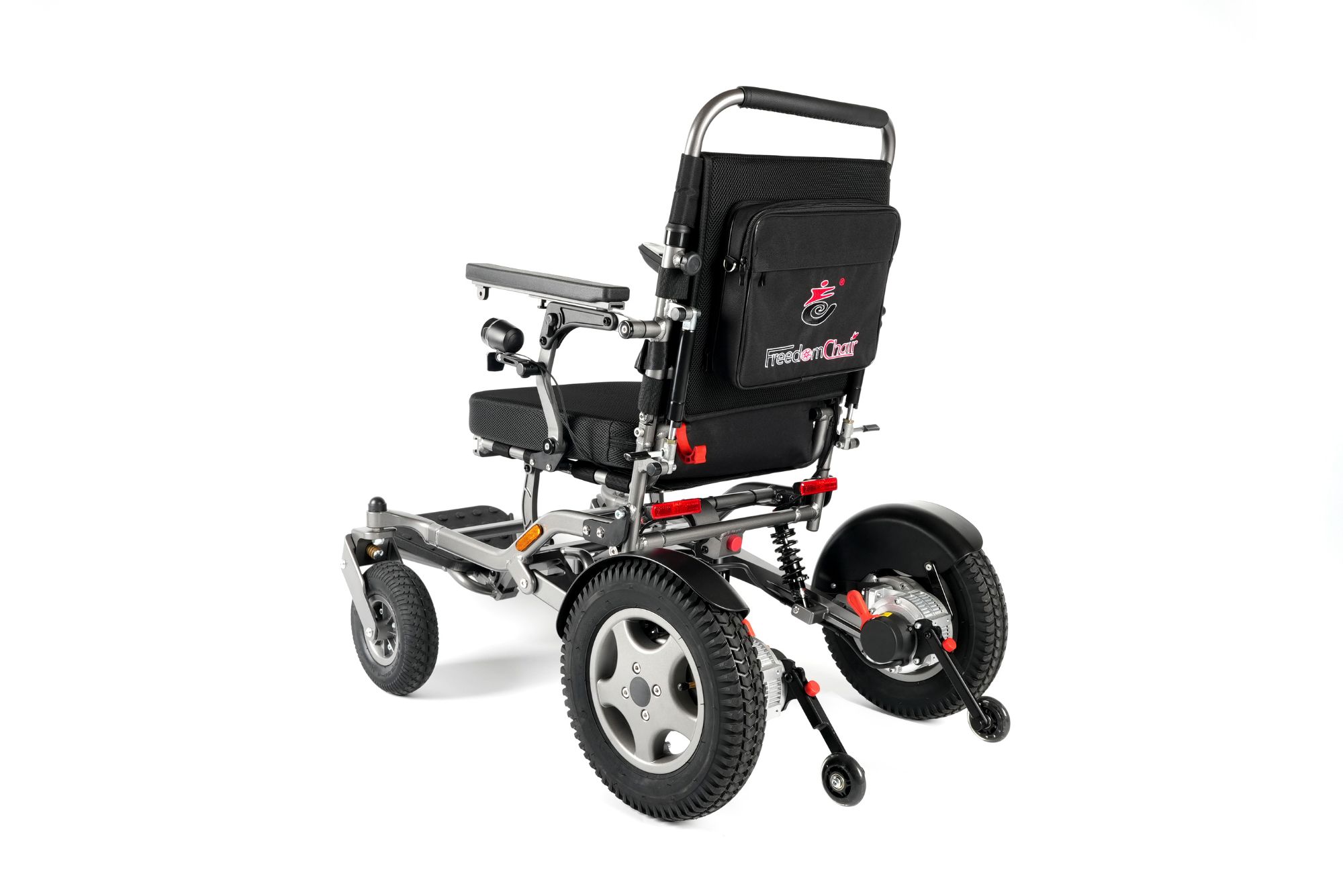
When it comes to wheelchairs, the market is flooded with flashy add-ons and spec sheets that can overwhelm even the most discerning buyer. Yet, stripping away the noise reveals a handful of attributes that truly define daily experience. Cushion density and seat slope, for instance, aren't just comfort issues—they directly impact posture, skin integrity, and endurance during long hours of use. A seat that feels plush in a showroom may cause pelvic tilt or pressure sores after a week. Similarly, adjustable backrest angles and axle positions often go unnoticed until soreness sets in, yet they radically alter propulsion efficiency and shoulder health. The difference between a chair that fits and one that merely moves is measured in pain avoided and energy conserved.
Another overlooked dimension is how the wheelchair interfaces with the user's environment. Narrow armrests that clear doorways, frame finishes that withstand scratches and moisture, and casters that don't chatter on sidewalks—these mundane details accumulate into a seamless or frustrating routine. Real-world performance also hinges on how easily the chair adapts to transfer techniques: rigid frames offer direct power transfer but demand precise space, while foldable models trade some rigidity for trunk-friendly storage. The art lies in matching these traits to your specific cadence of life, not a generic priority list. Ultimately, the features that matter aren't the ones advertised with asterisks; they're the ones you never think about because they work invisibly.
The Hidden Connection Between Seating and Long-Term Health
Most people don't realize that the way they sit today quietly shapes their health decades from now. It's not just about back pain or stiff necks—prolonged, unsupported sitting gradually alters spinal alignment, compresses internal organs, and restricts circulation in ways that contribute to chronic conditions like cardiovascular disease, metabolic syndrome, and even cognitive decline. The chair you choose, the posture you assume, and the hours you remain stationary all play into a silent physiological cascade that unfolds over years.
While standing desks and ergonomic gadgets have become trendy, the deeper issue lies in how modern seating isolates muscle groups and dampens the body's natural feedback loops. When you sink into a soft cushion for hours, your core muscles switch off, your glutes become dormant, and your hip flexors shorten. This creates a kinetic chain reaction that doesn't just affect your lower back—it alters your gait, increases fall risk as you age, and even impacts how efficiently your lymphatic system clears waste from your brain. In essence, your sitting habits can either preserve or erode your functional independence later in life.
Cultural patterns make this connection even more insidious. In many societies, people sit for meals, work, commuting, and leisure, often logging 10 to 15 hours a day in chairs. Anthropological studies show that populations with more varied resting postures—squatting, floor sitting, kneeling—tend to have lower rates of musculoskeletal degeneration and better mobility into old age. The design of our environments lulls us into a passive relationship with our own bodies, making it easy to ignore the slow accumulation of damage. Recognizing this hidden link empowers us to make small but consistent adjustments—dynamic sitting, frequent movement breaks, and floor-based positions—that can fundamentally redirect the trajectory of our long-term health.
Maneuverability: More Than Just Getting Around
Maneuverability goes far beyond the simple ability to move from point A to point B. It's about how confidently and precisely a vehicle can navigate tight spaces, execute rapid directional changes, and maintain composure under varying loads and road conditions. True maneuverability integrates steering response, chassis balance, and suspension feedback into a fluid experience that inspires trust rather than demanding constant correction.
At the heart of outstanding maneuverability lies a synergy between mechanical design and electronic intelligence. Short wheelbases, well-tuned dampers, and quick-ratio steering racks form the physical foundation, while modern systems like torque vectoring and active rear steering add layers of agility that pure mechanics cannot achieve alone. The goal is not just a smaller turning circle, but a sense of nimbleness that makes even a large vehicle feel responsive and light on its feet.
In real-world terms, maneuverability makes the difference between a stressful daily commute and an engaging journey. It means threading through urban congestion without hesitation, carving along winding back roads with precision, and parking in spaces that would leave lesser vehicles stranded. Whether on gravel, pavement, or something in between, exceptional maneuverability transforms control into an extension of the driver’s intent—subtle, immediate, and remarkably intuitive.
Style and Substance: Why Design Impacts Daily Life
Good design isn’t just about making things look pretty—it’s about making life work. When style meets substance, everyday objects become a joy to use, not just a necessity. Take a well-designed chair: its form draws you in, but it’s the hidden ergonomics that keep you comfortable through hours of work. That marriage of beauty and purpose is what turns mundane routines into moments of ease.
From the satisfying click of a button to the intuitive layout of a kitchen, design quietly shapes how we move, think, and feel. A cramped, cluttered space can drain your energy, while an open, thoughtfully lit room lifts your mood before you even realize why. It’s not about luxury—it’s about understanding that our surroundings are an extension of our minds, and that good design respects both our aesthetic cravings and our deep need for simplicity.
Making the Investment That Lasts
True investment isn’t about quick wins or fleeting trends. It’s about building something that endures—relationships, knowledge, and a foundation that grows stronger with time. When you commit to quality over expedience, you’re not just spending resources; you’re planting seeds that will yield returns long after the initial effort is forgotten.
We’ve seen it time and again: the projects that succeed brilliantly are those where the focus stays on long-term value. It’s the extra hour spent understanding a client’s real needs, the decision to use materials that will last decades instead of years, or the patience to mentor a team until they become leaders. These choices don’t always shout the loudest in the short term, but they quietly build an unshakeable legacy.
In a world obsessed with the next big thing, the real edge comes from persistence and depth. By resisting the urge to cut corners, you create something that doesn’t just survive market shifts but thrives through them. That’s the kind of investment that pays dividends every single day, in trust, resilience, and a reputation that can’t be bought.
FAQ
Prioritize a well-cushioned seat with pressure-relieving foam or gel, adjustable armrests and footrests, and a backrest that supports natural spine curvature. Breathable upholstery also helps prevent overheating during extended use.
Measure the user's hip width, seat depth from the back of the pelvis to behind the knee, and lower leg length. The chair should allow about an inch of clearance on each side of the hips, with feet resting flat on the footplates and thighs fully supported without pressure behind the knees.
Look for large rear wheels with a handrim design that suits the user’s grip strength, and front casters that swivel smoothly. Pneumatic tires absorb bumps outdoors, while solid inserts are low-maintenance for indoor use. A lightweight frame and tight turning radius also boost maneuverability.
The frame material affects weight, durability, and ride comfort. Aluminum offers a good balance of strength and lightness, making it easier to lift or transport. Titanium is even lighter and corrosion-resistant but pricier. Steel is robust but heavy, which can be a drawback for self-propulsion or travel.
Ensure the wheelchair has reliable brakes that the user can easily engage, anti-tip bars or wheels at the rear, and a seat belt or positioning harness. Stable center of gravity and non-slip footplates also reduce accident risks. Check that all locking mechanisms hold firmly.
Absolutely. For arthritis, consider ergonomic handrims and easy-to-use brake levers. Post-stroke users might need a one-arm drive system, lateral trunk supports, or a specialized seating system to maintain proper posture. Many chairs allow for add-ons like elevating leg rests for circulation issues.
A foldable, lightweight transport chair or a compact power wheelchair can be ideal. Models that disassemble quickly or fit in a car trunk make outings less stressful. Features like an adjustable joystick and decent battery range in power chairs let seniors navigate without relying heavily on a caregiver.
Focus on the build quality, warranty, and replaceable parts. A mid-range model from a reputable brand often offers durable materials and comfort without the premium price of ultra-light custom chairs. Avoid cheaply made chairs with non-user-replaceable components, as they may cost more in replacements and discomfort over time.
Conclusion
A well-chosen mobility wheelchair does far more than move someone from room to room—it safeguards a sense of self. The starting point is honestly assessing what daily life demands: navigating narrow hallways, managing fatigue during outings, or simply having the stamina to join a family meal. Too often people fixate on specifications like wheel size or armrest padding without considering whether the chair truly fits the person’s routine. The features that actually matter are those that fade into the background: intuitive brake placement, a seat cushion that prevents pressure sores during long sits, and a backrest angle that eases lower spine strain. This quiet accommodation is where comfort turns into independence, because when sitting isn’t a battle, energy stays focused on living.
Yet the chair’s design reaches beyond physical support. Maneuverability isn’t just about turning radius—it’s about whether someone can glide through a coffee shop without anxiety or pivot beside a friend’s dinner table without calling for help. Lightweight frames and responsive casters make spontaneous moments possible. Equally, the way a chair looks affects how its user feels: finishes that resemble personal furniture rather than hospital equipment invite genuine social connection instead of awkward sympathy. This blend of aesthetics and engineering isn’t superficial; it’s what transforms a clinical device into a trusted daily companion. Investing in such quality means looking past initial price tags to consider seat foam that won’t flatten in six months, upholstery that withstands daily use, and warranties that reflect manufacturer confidence. The real cost of a wheelchair lies in the life it enables—so choosing one built to last isn’t an expense, it’s a commitment to sustained comfort and understated freedom.
Contact Us
Contact Person: Calvin Fan
Email: [email protected]
Tel/WhatsApp: 8618913265607
Website: www.freedom-chair.com