
Custom Complete Rolling Mill Lines: Optimize Your Metal Production
2026-03-12
In the fast-paced world of metal production, efficiency and precision are paramount. At GRM, we understand these challenges intimately. Our custom complete rolling mill lines are engineered not just to meet industry standards but to redefine them. Imagine a production line tailored specifically to your needs, optimizing every stage from raw material to finished product. This blog delves into how our innovative solutions can transform your operations, boost output, and cut costs. Dive in to discover how partnering with GRM can unlock new levels of performance in your metalworking journey.
Design Advantages of Custom Rolling Mill Solutions
One of the standout benefits of custom rolling mill solutions lies in their ability to adapt precisely to specific operational needs. Instead of relying on off-the-shelf equipment that might force compromises in productivity or quality, a tailored design integrates seamlessly with existing workflows, addressing unique challenges like material variations or space constraints. For example, a mill configured for high-strength alloys can incorporate enhanced cooling systems and specialized roll coatings, directly boosting efficiency while minimizing downtime. This flexibility not only optimizes output but also reduces long-term maintenance costs, as components are chosen for durability in the intended environment rather than generic use.
Moreover, custom mills often incorporate innovative technologies that set them apart from standard models. By leveraging advanced automation and real-time monitoring systems, these solutions enable precise control over rolling parameters, such as temperature and speed, leading to superior product consistency. A bespoke design might integrate AI-driven predictive maintenance tools, which anticipate wear and tear before failures occur, ensuring uninterrupted production. This technological edge allows manufacturers to meet stringent industry standards while staying ahead of competitors who rely on less adaptable machinery.
Beyond functionality, the aesthetic and ergonomic considerations in custom designs can significantly enhance workplace safety and operator comfort. Tailored layouts might optimize access points for easier maintenance or include noise-dampening features to improve the working environment. Such thoughtful design elements, often overlooked in generic setups, contribute to higher employee satisfaction and reduced accident rates, reinforcing the overall value proposition of investing in a solution crafted specifically for a facility's unique demands.
Enhancing Productivity Through Tailored Equipment Integration
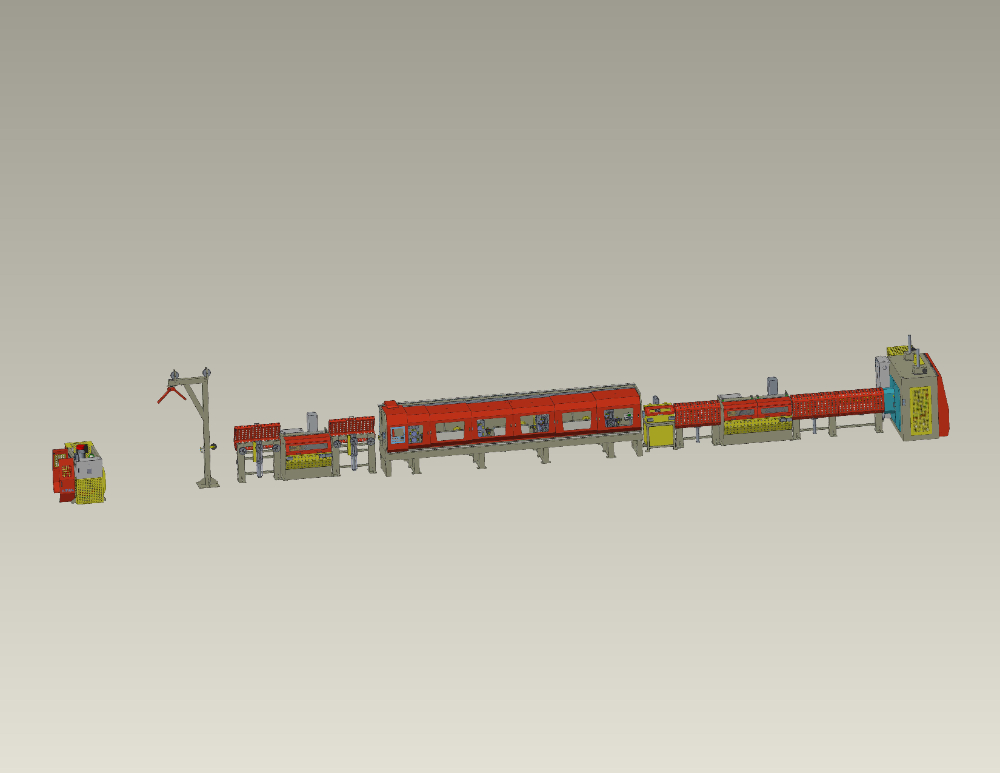
Integrating equipment that's specifically tailored to your workflow can dramatically boost efficiency by streamlining tasks and minimizing downtime. Rather than opting for generic solutions, custom-fit tools are designed to address unique challenges within a particular environment, allowing teams to operate more smoothly and with greater precision.
By aligning equipment with the exact demands of a project, organizations can reduce manual interventions and automate repetitive processes. This targeted approach not only accelerates output but also enhances accuracy, as workers interact with tools that are intuitive and well-suited to their roles, fostering a more engaged and proactive workforce.
Ultimately, the benefits of tailored integration extend beyond immediate gains, fostering long-term adaptability and scalability. As needs evolve, a well-integrated system can be easily modified, ensuring sustained productivity and a competitive edge in dynamic markets.
Advanced Control Systems for Consistent Metal Output
Today's metal production facilities rely on sophisticated control systems to maintain precise output quality across high-volume operations. These advanced setups integrate real-time sensors and actuators that continuously monitor variables like temperature, pressure, and composition, automatically making micro-adjustments to keep everything within tight tolerances. This isn't just about basic automation—it's a dynamic process where the control system learns from historical data to predict fluctuations before they impact the final product, ensuring that each batch meets the same stringent standards.
What really sets these systems apart is their adaptability to different metals and production methods. Whether you're working with aluminum, steel, or specialized alloys, the control architecture can be tailored to handle unique material properties and processing requirements. For instance, a system might adjust cooling rates for one alloy while fine-tuning pressure levels for another, all within the same production line. This flexibility stems from modular software that allows operators to tweak parameters without overhauling the entire setup, making it easier to switch between products or scale up production while keeping consistency at the forefront.
Beyond just maintaining quality, these advanced controls also contribute to sustainability and cost-efficiency by minimizing waste and energy use. By optimizing every step of the process—from raw material input to final shaping—the systems reduce scrap rates and cut down on excessive energy consumption. This double benefit means manufacturers can achieve more predictable output not only in terms of quality but also in operational expenses, giving them a competitive edge in markets where both reliability and cost management are critical.
Cost-Effective Operations with Custom Configuration Options
With cost-effective operations powered by custom configuration options, organizations can tailor their systems to meet specific needs without overspending. By allowing users to select and adjust only the features they require, this approach eliminates unnecessary expenses on unused functionalities, leading to more efficient resource allocation. It also enables businesses to scale their operations flexibly, ensuring that costs align with actual usage and growth, all while maintaining high performance and reliability.
Custom configuration options give teams the freedom to design workflows that fit their unique processes, reducing the need for costly third-party integrations or extensive customization. This not only cuts down on initial setup costs but also streamlines ongoing maintenance, as systems are inherently more adaptable to changes in demand or project scope. As a result, companies can achieve significant savings over time while enhancing operational agility and responsiveness.
By leveraging these tailored setups, businesses foster a culture of innovation where cost-efficiency and customization go hand-in-hand. Employees gain the tools they need to work smarter, not harder, optimizing daily tasks and reducing waste. This holistic approach transforms operations into a competitive advantage, making it easier to navigate market fluctuations and seize new opportunities without breaking the bank.
Flexibility in Production Lines for Diverse Metal Grades
In the fast-paced world of metal manufacturing, production lines designed for flexibility are no longer just a competitive edge; they're essential for survival. While traditional setups often focus on mass-producing a single grade, modern facilities are increasingly adopting modular systems that can seamlessly switch between different alloys and specifications. This adaptability allows manufacturers to respond swiftly to shifting market demands, whether it’s a sudden need for high-strength steel in construction or corrosion-resistant alloys for marine applications. By integrating advanced sensors and automated control panels, these lines minimize downtime during transitions, ensuring that quality remains consistent across diverse outputs without sacrificing efficiency.
One of the key enablers of this flexibility is the use of smart robotics and adaptable tooling. Unlike rigid machinery that requires lengthy recalibration for each grade change, robotic arms and adjustable fixtures can be reprogrammed on the fly to handle variations in metal hardness, thickness, or composition. This capability not only speeds up production cycles but also reduces material waste, as operators can fine-tune processes in real-time based on feedback from in-line monitoring systems. For instance, a line might produce aluminum sheets for automotive parts in the morning and switch to copper wiring for electronics by afternoon, all while maintaining precise tolerances and surface finishes.
Ultimately, achieving true flexibility in metal production lines hinges on a holistic approach that blends technology with human expertise. While automation handles repetitive tasks, skilled technicians oversee adjustments and troubleshoot potential issues, ensuring that each metal grade meets stringent industry standards. This synergy allows factories to cater to niche markets and custom orders with ease, fostering innovation and resilience in an industry where one-size-fits-all solutions are increasingly obsolete. As companies invest in these adaptable systems, they’re not just optimizing output; they’re future-proofing their operations against unforeseen challenges and opportunities.
Sustainable Practices in Optimized Rolling Mill Operations
In the pursuit of sustainable practices within optimized rolling mill operations, companies are increasingly integrating energy-efficient technologies that go beyond mere compliance. By adopting advanced automation systems, mills can precisely control heating and cooling processes, minimizing energy waste while maintaining product quality. For instance, regenerative burners and heat recovery systems in reheating furnaces capture and reuse thermal energy, leading to significant reductions in fuel consumption and greenhouse gas emissions—often cutting energy use by up to 20% compared to traditional methods. This shift not only lowers operational costs but also aligns with global environmental goals, making it a strategic move rather than just a regulatory requirement.
Another key aspect involves material conservation and recycling, where optimized rolling mills are designed to minimize scrap and enhance resource efficiency. Through predictive maintenance algorithms and real-time monitoring, operators can detect anomalies early, reducing downtime and material waste. Additionally, many mills now implement closed-loop water systems and use eco-friendly lubricants to cut down on water usage and pollution. By focusing on the entire lifecycle of materials—from raw input to finished product—these practices not only reduce environmental impact but also boost profitability, as every ton of recycled scrap saves energy equivalent to powering a home for months.
Beyond technical upgrades, fostering a culture of sustainability among employees plays a crucial role in rolling mill operations. Training programs that emphasize waste reduction and energy-saving habits empower workers to contribute actively to eco-friendly goals. Collaborative initiatives, such as partnerships with local communities for resource sharing or investing in renewable energy sources like solar panels, further embed sustainability into the mill's core operations. By viewing sustainability as a continuous journey rather than a one-time fix, mills can innovate adaptively, staying ahead in a competitive industry while safeguarding the planet for future generations.
FAQ
A custom complete rolling mill line is tailored to specific metal production needs, unlike off-the-shelf models, offering flexibility in size, speed, and material handling to boost efficiency and output quality.
They allow SMEs to scale operations precisely, reducing waste and energy use while adapting to niche markets, often through modular designs that grow with business demands.
Essential parts include heating furnaces, rolling stands, cooling systems, and automated controls, all integrated for seamless processing from raw material to finished product.
Yes, they enhance sustainability by optimizing resource use, minimizing emissions through efficient heating, and enabling recycling processes, aligning with green manufacturing trends.
Timelines vary but generally range from several months to over a year, depending on complexity, involving phases like consultation, engineering, and on-site installation.
Automotive, aerospace, and construction sectors gain from high-strength, precision metals produced by these lines, driving innovation and material performance.
Regular upkeep of mechanical parts and software updates is crucial; many providers offer remote monitoring and predictive maintenance to minimize downtime and extend lifespan.
Conclusion
Custom complete rolling mill lines revolutionize metal production by offering tailored solutions that address specific manufacturing challenges. The design advantages of these custom rolling mills allow for precise configuration to meet unique operational needs, enhancing productivity through seamless integration of specialized equipment. This approach not only improves efficiency but also ensures consistent high-quality metal output via advanced control systems. By focusing on custom configurations, businesses achieve cost-effective operations while maintaining flexibility to process diverse metal grades, adapting quickly to market demands and material variations.
In addition to boosting performance, optimized rolling mill operations incorporate sustainable practices that reduce waste and energy consumption, contributing to environmentally responsible manufacturing. The synergy between tailored design, integrated equipment, and smart controls creates a holistic system where each component works in harmony to maximize throughput and minimize downtime. This comprehensive methodology enables producers to stay competitive by offering superior metal products with greater reliability and reduced operational costs, ultimately driving long-term success in an evolving industry landscape.
Contact Us
Contact Person: Rayna
Email: [email protected]
Tel/WhatsApp: 86 -173 1474 6343
Website: https://www.grmrollingmill.com/