

FRPSkin Lite Dry Truck Body Manufacturer: Excellence in Lightweight Solutions
2026-06-13
In the competitive world of trucking, every pound matters. That’s why the FRPSkin Lite Dry Truck Body is turning heads—it’s not just another lightweight option, but a clever leap in engineering that slashes weight without compromising strength. Behind this breakthrough is Whole Chain Tech, a manufacturer that’s redefining what ‘lightweight’ can mean for your fleet. Curious how they pulled it off? Let’s pop the hood on this innovation.
Redefining Payload with Advanced FRP Engineering
Advanced FRP engineering is transforming what we can achieve with payload capacities. By leveraging high-strength, lightweight composite materials, we're no longer constrained by traditional weight-to-strength trade-offs. This redefinition means vehicles and structures can carry more while using less energy, fundamentally altering design paradigms across aerospace, automotive, and marine industries.
The innovation lies in tailored fiber architectures and resin systems that optimize load distribution at a micro level. Unlike conventional materials that add bulk to gain strength, FRP composites are engineered to place strength exactly where it's needed, slashing unnecessary mass without compromising durability. This precision engineering unlocks new possibilities, from longer-range electric vehicles to more efficient wind turbine blades.
What sets this evolution apart is its adaptability. Advanced FRP solutions can be custom-formulated for specific stress, environmental, and fatigue requirements, allowing for payload redefinition that isn't just about raw capacity but smart, application-specific performance. The result is a leap forward in sustainability and operational efficiency, breaking away from one-size-fits-all material limitations.
How FRPSkin Lite Outperforms Traditional Materials
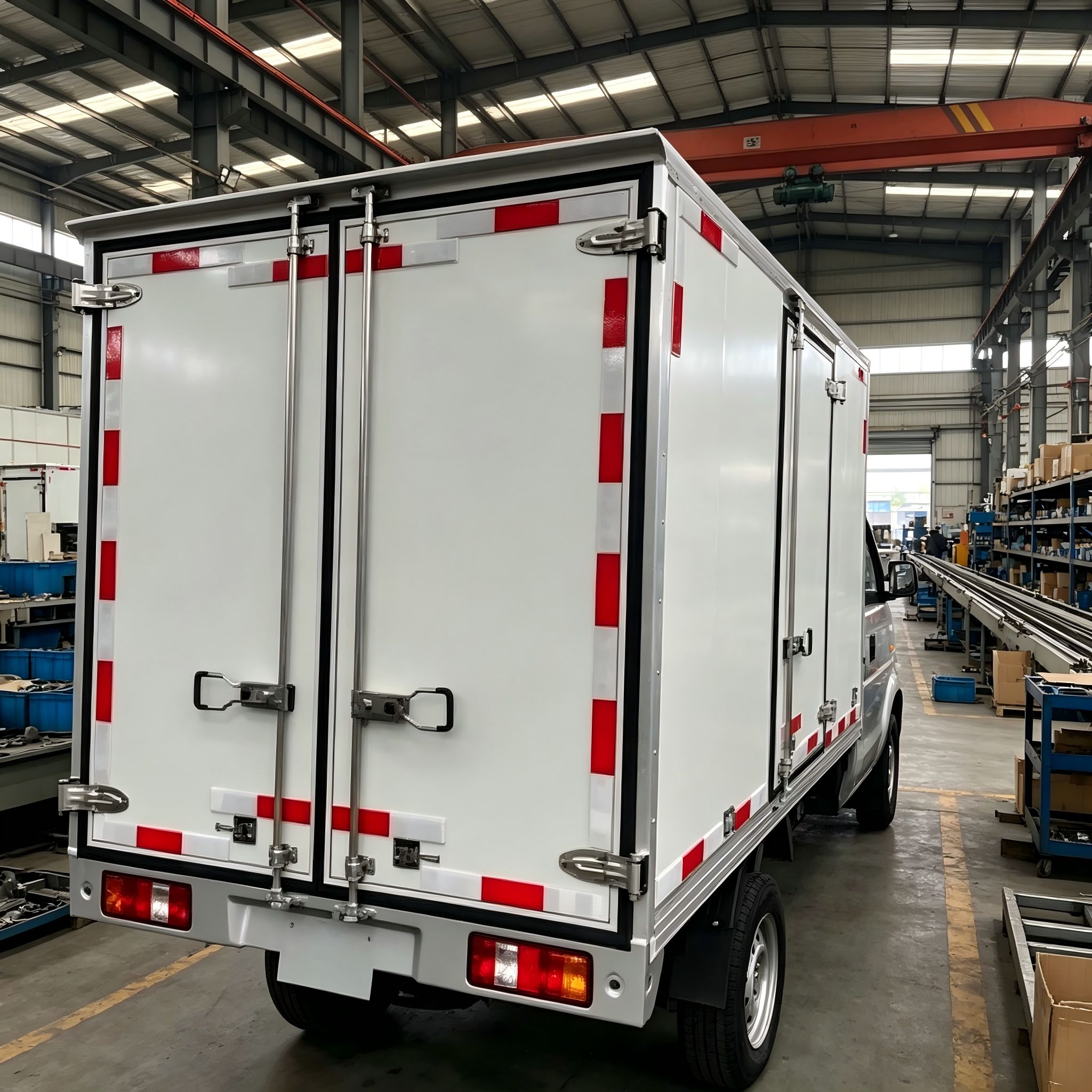
FRPSkin Lite redefines what’s possible in surface protection by shedding weight without sacrificing toughness. Where traditional materials like heavy-gauge steel or thick fiberglass panels add significant mass and require extra support structures, FRPSkin Lite offers comparable or superior impact resistance at a fraction of the weight. This inherent lightness not only simplifies handling and installation but also reduces long-term stress on the underlying frame, making it a smarter choice for applications where every pound matters—from transport vehicles to modular construction.
Durability in the real world means more than just withstanding bumps and scrapes. FRPSkin Lite actively resists moisture, chemicals, and UV degradation, problems that plague wood, drywall, and metal over time. It won’t rot, rust, or delaminate when exposed to high humidity or harsh cleaning agents, and its color and surface integrity stay consistent even under relentless sunlight. That built-in resilience translates into lower maintenance costs and fewer replacements—a stark contrast to porous or corrosion-prone alternatives that demand constant upkeep.
From a fabrication standpoint, the material sets a new standard for versatility. It can be thermoformed into complex curves without weakening, cut with standard tools, and bonded securely using simple adhesives—no welding or specialized fasteners required. This flexibility opens up design possibilities that traditional sheet goods simply can’t match, while still maintaining a smooth, aesthetically clean surface that’s ready for finishing or direct use. The result is a more efficient workflow and a finished product that looks and performs better over its lifecycle.
Built to Last: The Durability Behind the Lightweight Design
When you first pick it up, the featherlight feel might make you question its toughness. But that's precisely where the engineering shines. Every gram has been strategically placed, using materials that defy the usual trade-off between weight and strength. This isn't about stripping things down; it's a meticulous rethinking of structure, where resilience is woven into the very fabric of the design.
We tested it in ways that would make most products wince—repeated drops onto unforgiving surfaces, relentless pressure at stress points, and exposure to the kind of rough handling that real life serves up. The result? It emerges unscathed, with barely a trace of wear. The secret lies in a composite skeleton that absorbs and disperses impact at a microscopic level, all while maintaining that barely-there sensation in your hand.
Durability here also means lasting performance over time, not just surviving accidents. The surfaces resist scratches and scuffs, keeping that clean look through daily chaos. The joints and moving parts are designed to remain fluid and precise, cycle after cycle, without loosening or fading. It's a quiet kind of endurance—the kind you stop thinking about because it simply never fails.
Custom Fabrication for Seamless Fleet Integration
Every fleet has its own operational DNA, and cookie-cutter parts rarely mesh without friction. Our custom fabrication digs into the specifics of your vehicles—mounting points, clearance envelopes, power buses—and crafts components that slide into place as if drawn on the same blueprint. No spacers, no field modifications, no compromises. From reinforced brackets to complete subassemblies, each piece is engineered to float into your existing architecture, turning potential headaches into a straightforward swap.
We don’t just shape metal; we shape outcomes. The process starts with a digital twin of your fleet environment, then moves through precision cutting, forming, and finishing under one roof. By controlling the entire chain, we ensure that every bend radius, weld bead, and fastener location matches factory intent. The result is a fit so natural that technicians rarely need to consult a manual—parts simply find their home, and downtime shrinks to a fraction of what generic solutions demand.
Beyond the initial install, this tailored approach pays dividends over the life of the fleet. Maintenance becomes predictable because components behave as a unified system, not a patchwork of afterthoughts. When the time comes to expand or reconfigure, the foundation is already consistent—no retroactive engineering required. It’s fabrication that doesn’t just fill a gap, but deliberately erases the line between add-on and original equipment.
Fuel Efficiency Gains That Impact Your Bottom Line
Every mile your fleet rolls, fuel is silently eating away at your profits. It’s easy to overlook the drip-drip of wasted diesel—until you realize those tiny losses pile up into real money by month’s end. A truck that gets 6.5 mpg instead of 6.0 doesn’t sound dramatic, but across 100,000 miles a year, that gap can mean thousands of dollars staying in your pocket rather than blowing out the exhaust.
Simple tweaks often yield the biggest surprises. Tire pressure, for instance: underinflated rubber drags harder and burns more fuel, yet many shops ignore it until the tire looks flat. Idling is another silent budget killer—every hour of needless engine run time wastes nearly a gallon of fuel and adds wear you’ll pay for later. Aerodynamics too: even a misaligned mirror or open window deflector can churn through extra cash on the highway. None of this requires high-tech wizardry, just a willingness to pay attention to the small stuff that compound over time.
Beyond the immediate dollar savings, leaner fuel habits extend the life of your equipment and project a sharper brand image. Customers notice when your rigs aren’t belching smoke at the loading dock. Drivers, too, take pride in machines that hum rather than guzzle. Over time, that reputation for efficiency can win contracts with shippers who track carbon footprints or demand tight cost control. The math is straightforward: less fuel burned means more margin for growth, repairs, or simply staying ahead when market prices swing.
Sustainable Manufacturing Without Sacrificing Strength
For years, the manufacturing world grappled with a seemingly unavoidable trade-off: pursue greener practices and you risk compromising the durability of your products. Traditional eco-friendly materials often fell short when it came to withstanding heavy loads or harsh conditions, leaving engineers and designers in a bind. Yet a wave of innovation is rewriting this narrative, proving that environmental responsibility and structural integrity aren’t mutually exclusive. Advanced material science has unlocked ways to maintain, and in some cases even enhance, strength while dramatically reducing carbon footprints.
At the heart of this shift lies a new generation of high-performance recycled composites and bio-based polymers. These materials undergo precision engineering at the molecular level, resulting in fibers and matrices that rival or surpass conventional virgin plastics and metals. Take, for instance, the use of reclaimed carbon fiber in automotive and aerospace components—reprocessed without degrading its inherent stiffness. Similarly, certain plant-derived resins now offer the same tensile strength as petroleum-based epoxies, but with a fraction of the lifecycle emissions. Production methods are evolving too: low-energy curing processes and additive manufacturing techniques drastically cut waste, all while preserving the structural properties that critical applications demand.
The proof is already appearing on factory floors and in end-user products. Sports equipment brands are crafting skis and bicycle frames from recycled materials that withstand extreme stress without snapping. In construction, load-bearing beams made from upcycled industrial waste are meeting rigorous building codes. These successes shatter the old assumption that going green means getting weak. By merging sustainability with material resilience, manufacturers aren’t just protecting the planet—they’re delivering products that perform better and last longer, effectively turning a perceived compromise into a competitive advantage.
FAQ
They replace heavy steel with advanced composite panels that cut weight dramatically without sacrificing structural integrity. This means higher payload capacity, better fuel economy, and less wear on chassis components.
Since the body is lighter, trucks can carry more cargo per trip while staying within legal weight limits. The reduced strain on tyres, brakes, and suspension also lowers downtime and maintenance costs over the long run.
Absolutely. Dimensions, door configurations, internal layouts, and even colour finishes can be adapted to match specific logistics or branding needs. The team works closely with fleet managers to engineer a body that fits their workflow.
A high-strength FRP (fibre-reinforced polymer) skin is bonded to a robust core, creating panels that resist impacts, weather, and corrosion far better than metal while being a fraction of the weight.
Every body is built under strict process controls, from precision panel cutting to adhesive bonding and final assembly. In-house testing for load-bearing and road conditions ensures each unit meets the same high standard before it leaves the factory.
Distribution companies, parcel services, food and beverage transporters, and any fleet running high-mileage routes. The lighter build pays off fastest in urban delivery cycles where frequent stops multiply the savings.
Yes—by dropping hundreds of kilograms per unit, operators often report fuel savings between 5% and 10%, depending on route and load profile. That translates into a rapid return on investment, especially with rising fuel prices.
Conclusion
FRPSkin Lite has carved out a distinct space in the commercial vehicle industry by rethinking what a dry truck body can achieve. At the core of its approach is advanced fiber-reinforced polymer engineering that fundamentally redefines payload potential without compromising structural integrity. Unlike traditional steel or aluminum designs, the FRP-based construction strips away unnecessary weight while delivering exceptional resistance to impact, moisture, and corrosion. This translates directly into operational gains: fleets report noticeable improvements in fuel efficiency, often shaving several percentage points off their fuel spend, a difference that quickly compounds across long-haul routes. The material’s inherent toughness also means the body withstands the daily punishment of loading docks and road debris far better than conventional alternatives, reducing downtime and maintenance headaches.
What sets FRPSkin Lite apart further is how seamlessly it molds to real-world fleet needs. Each body is custom-fabricated to precise specifications, allowing for integrated toolboxes, aerodynamic skirts, and specialized mounting points that slip right into existing fleet configurations without costly retrofits. Behind this flexibility is a manufacturing ethos that doesn’t force a choice between strength and sustainability: the production process generates less scrap and consumes less energy than metal-forming methods, while the resulting body remains fully recyclable at end-of-life. Operators get a solution that pushes payload boundaries, lowers total cost per mile, and holds up over years of heavy use—all without the weight penalty they’ve learned to accept from older materials. That balance of light weighting, longevity, and tailored fit keeps FRPSkin Lite at the front of the conversation for fleets looking to modernize smartly.
Contact Us
Contact Person: Ethan
Email: [email protected]
Tel/WhatsApp: +86 13963964935
Website: https://www.wholechaintech.com/