

Hot-Dip Galvanized Square Tube: Top Manufacturer Insights and Applications
2026-03-07
In the world of construction and industrial manufacturing, the choice of materials can make or break a project. One standout option that continues to gain traction for its durability and versatility is the hot-dip galvanized square tube. But what sets the best manufacturers apart, and how can these tubes transform your applications? At Shunchen steel, we’ve carved a niche by blending cutting-edge technology with unwavering quality, ensuring every tube meets the highest standards. In this blog, we’ll dive into the insights that make top manufacturers like us leaders in the field, explore the diverse applications that leverage these robust tubes, and uncover why choosing the right partner matters. Get ready to discover how hot-dip galvanized square tubes can elevate your projects—and why Shunchen steel is the name to trust for reliability and innovation. Let’s build something stronger together.
Introduction to Hot-Dip Galvanized Square Tubes
Hot-dip galvanized square tubes are steel tubes with a square cross-section that have undergone a hot-dip galvanizing process, where they are immersed in molten zinc to form a robust protective coating. This method not only enhances their durability but also provides excellent resistance to corrosion, making them ideal for harsh environments. The zinc layer bonds metallurgically with the steel, ensuring long-lasting performance even in outdoor applications.
One standout feature of these tubes is their adaptability in various industries, from construction and agriculture to automotive and infrastructure projects. Unlike some coated materials, the hot-dip process ensures uniform coverage, including corners and edges, which are typically vulnerable to rust. This results in a product that maintains structural integrity and appearance over time, reducing maintenance costs and extending service life.
In practice, hot-dip galvanized square tubes offer a blend of strength and versatility, often chosen for frameworks, fencing, and support structures. Their corrosion resistance makes them a reliable choice in coastal or industrial settings where exposure to moisture and chemicals is common. By providing an effective barrier against the elements, these tubes help ensure safety and reliability in demanding applications.
Key Manufacturing Processes and Quality Standards
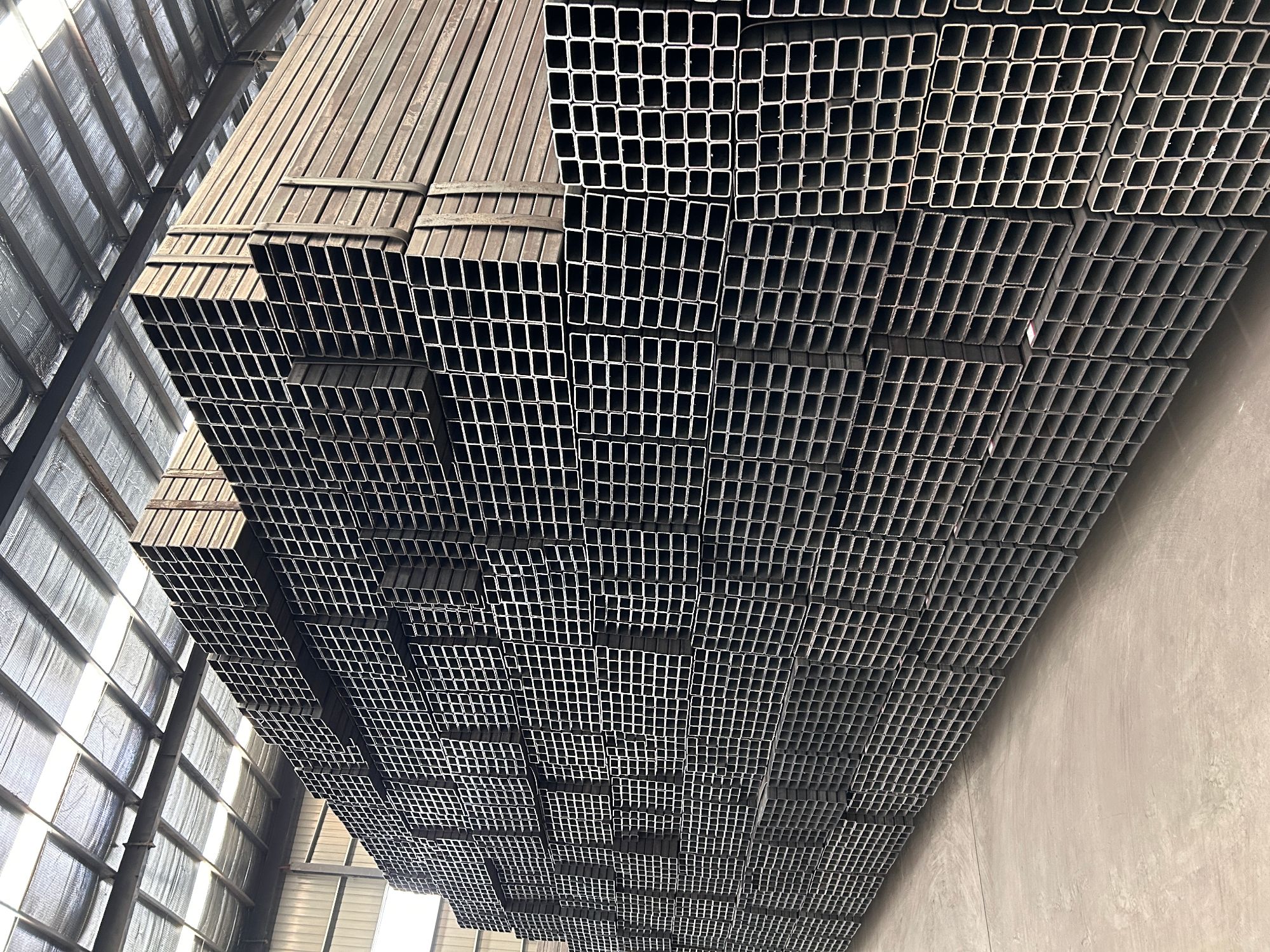
At the heart of our production lies a meticulously crafted series of manufacturing steps, beginning with advanced material selection to ensure durability and performance. We employ state-of-the-art techniques like precision machining and automated assembly, tailored to reduce waste and enhance efficiency. This process-driven approach not only streamlines operations but also allows for consistent output across all product lines, setting a solid foundation for quality.
Quality standards are rigorously upheld through continuous monitoring and testing at every stage, from raw materials to finished goods. We adhere to internationally recognized frameworks, such as ISO 9001, integrating them with bespoke internal audits to catch deviations early. By empowering our teams with real-time data analytics, we foster a culture of accountability and proactive improvement, ensuring that every item meets or exceeds customer expectations without compromising on safety or reliability.
What truly differentiates us is our commitment to innovation within these processes, adapting to new technologies like smart sensors and predictive maintenance to preempt issues. This dynamic quality management system not only enhances product longevity but also reduces environmental impact through sustainable practices. Together, these elements create a seamless blend of tradition and modernity, delivering superior results that stand out in a competitive market.
Innovative Applications in Construction and Architecture
Innovative applications in construction and architecture are reshaping the built environment by integrating advanced technologies like 3D printing, robotics, and smart materials. These developments enable the creation of complex, sustainable structures that were once deemed impossible, fostering efficiency in design and construction processes while reducing environmental impact.
For example, the use of modular and prefabricated components allows for faster assembly on-site, minimizing waste and enhancing precision. This approach not only accelerates project timelines but also improves safety conditions, as more work is conducted in controlled factory settings rather than hazardous construction zones.
Furthermore, digital tools such as Building Information Modeling (BIM) and augmented reality are revolutionizing how architects and engineers collaborate, providing immersive visualizations that facilitate better decision-making and client engagement throughout the project lifecycle.
Manufacturer Expertise and Industry Leadership
When it comes to manufacturing prowess, our journey sets us apart. With decades of hands-on experience, we've honed our processes to perfection, tackling complex challenges from custom material blends to precision engineering. This isn't just about producing goods—it's about mastering the art of creation, where every detail reflects a deep understanding of our craft, backed by a team of seasoned professionals who live and breathe innovation.
In an industry crowded with competitors, leadership isn't just claimed; it's demonstrated through action. We've consistently pioneered sustainable practices, like reducing waste by 40% in recent years, and leading collaborations that set new benchmarks. Our forward-thinking approach ensures we're not just following trends but shaping them, from adopting cutting-edge automation to fostering a culture of continuous improvement that keeps us ahead of the curve.
This expertise translates into tangible benefits for our clients, offering reliability and quality that's hard to match. By integrating customer feedback directly into our R&D, we create solutions that address real-world needs, making us a trusted partner in driving progress. It's this blend of skill and vision that cements our role as a trailblazer, committed to excellence and eager to lead the way into tomorrow's manufacturing landscape.
Durability and Corrosion Resistance Benefits
When it comes to longevity in harsh conditions, durability and corrosion resistance aren't just nice-to-have features—they're non-negotiable. Many materials claim to stand up to wear and tear, but true resilience comes from a deep-seated ability to fend off rust and degradation over time. It's this inherent toughness that keeps components functioning smoothly, reducing the need for constant maintenance and costly replacements. Think of it as building a fortress against the elements, where each layer of protection ensures a longer, more reliable service life without compromising performance.
What sets exceptional corrosion resistance apart is its proactive defense mechanism. Rather than simply reacting to environmental threats, advanced materials are engineered to anticipate and neutralize them before they take hold. This isn't about slapping on a superficial coating; it's about integrating properties that actively repel moisture, chemicals, and other corrosive agents at a molecular level. As a result, users can trust their investments to thrive in settings ranging from salty coastal air to industrial chemicals, all while maintaining a pristine appearance and structural integrity that whispers quality rather than shouting it.
In practice, these benefits translate into real-world savings and peace of mind. Imagine infrastructure that doesn't succumb to rust after a few seasons or machinery that operates flawlessly in humid factories without constant overhauls. By prioritizing durability and corrosion resistance, you're not just choosing a material—you're opting for a silent partner that works tirelessly behind the scenes, extending lifespans and cutting downtime. It's the kind of forward-thinking choice that pays dividends in reduced waste, lower lifecycle costs, and a legacy of reliability that stands the test of time.
Future Trends and Sustainability in Production
Imagine stepping into a factory where machines hum quietly, not because they're idle, but because they're optimizing energy use in real-time. This isn't a scene from a sci-fi movie—it's the reality shaping production today. From smart sensors that predict maintenance needs to AI algorithms that trim waste, the integration of digital technologies is transforming how we make things. These tools aren't just about boosting efficiency; they're paving the way for more agile, responsive systems that can adapt to changing demands without missing a beat.
Sustainability is no longer an afterthought but a core driver of innovation in production circles. Companies are increasingly adopting circular economy principles, where materials are reused and recycled in closed loops, drastically cutting down on landfill waste. Think of biodegradable packaging or modular designs that allow easy repair and upgrades. This shift isn't just good for the planet—it's becoming a competitive edge, as consumers and governments alike push for greener practices. By embedding sustainability into every stage, from sourcing to disposal, producers are finding new ways to thrive responsibly.
Looking ahead, the convergence of trends like 3D printing, renewable energy integration, and blockchain for supply chain transparency will likely redefine what's possible. Picture local micro-factories powered by solar panels, churning out custom products on-demand, with every step tracked for ethical sourcing. It's a vision that blends high-tech with high-touch, ensuring that as production evolves, it does so with a lighter footprint and a sharper focus on long-term value. The future isn't just about making more; it's about making better, smarter, and more sustainably.
FAQ
Hot-dip galvanized square tubes offer excellent corrosion resistance, durability, and structural strength, making them ideal for outdoor and harsh environments like construction frames and industrial supports.
During hot-dip galvanization, square tubes are immersed in molten zinc, forming a metallurgical bond that provides a robust, protective coating against rust and wear, extending their service life significantly.
They are widely used in construction for scaffolding and frameworks, agriculture for fencing and greenhouses, automotive for chassis parts, and infrastructure projects such as bridges and guardrails.
Look for manufacturers with certifications like ISO standards, consistent quality control, experience in custom sizing, and reliable supply chains to ensure product performance and timely delivery.
Yes, many manufacturers offer customization in dimensions, thickness, and zinc coating levels to meet precise needs, such as for unique architectural designs or specialized industrial equipment.
While highly resistant, extreme conditions like coastal salt spray or acidic atmospheres may require thicker coatings or additional treatments; regular inspections can help maintain effectiveness.
Minimal maintenance is required; occasional cleaning to remove dirt and debris, along with visual checks for coating damage, is usually sufficient to ensure long-term protection.
Trends include eco-friendly processes that reduce waste, advancements in alloy coatings for enhanced durability, and precision fabrication techniques for improved structural integrity and cost efficiency.
Conclusion
Hot-dip galvanized square tubes represent a cornerstone in modern industrial and architectural applications, combining strength with exceptional corrosion resistance. This process involves immersing steel square tubes in molten zinc, creating a durable, metallurgically bonded coating that shields against environmental damage. Top manufacturers leverage advanced techniques and adhere to strict quality standards like ASTM A123 to ensure consistency and reliability in products used across sectors. Beyond traditional uses, these tubes are increasingly featured in innovative construction designs, architectural frameworks, and infrastructure projects, where their aesthetic appeal and structural integrity are highly valued. As sustainability gains prominence, leading producers are integrating eco-friendly practices, such as recycling zinc and optimizing energy use, to meet evolving industry demands while maintaining high performance.
Insights from top manufacturers highlight a focus on durability and corrosion resistance, making hot-dip galvanized square tubes ideal for harsh environments like coastal areas or industrial settings. Their applications extend to fencing, support structures, and even artistic installations, driven by manufacturer expertise that prioritizes precision engineering and customer-specific solutions. Looking ahead, trends point toward enhanced automation in production and the development of lighter, stronger alloys, ensuring these tubes remain cost-effective and versatile. By blending traditional craftsmanship with cutting-edge technology, the industry continues to deliver products that balance longevity with environmental responsibility, solidifying their role in sustainable development and future innovation.
Contact Us
Contact Person: Max Zhou
Email: [email protected]
Tel/WhatsApp: +86 15712216177
Website: https://www.shunchensteelmaterial.com/