

Hotel HVAC Energy Saving Maker for Smarter Climate Control
2026-09-27
Hotel energy bills are one of the largest operational expenses, and HVAC systems usually top that list. Yet most properties still run on outdated schedules, wasting energy when rooms are empty or outdoor conditions shift. Tongbaote takes a different approach—its smarter climate control learns your building’s rhythm and adjusts in real time. In this post, we’ll explore how you can cut HVAC costs significantly without compromising guest comfort. Ready to see the numbers?
Hotel HVAC Energy Savings That Don't End at the Front Desk
Hotel HVAC energy savings often get stuck in the lobby narrative—thermostats in guest rooms set a few degrees higher, occupancy sensors in hallways, maybe a high-efficiency chiller in the basement. But the real story unfolds behind the scenes, where maintenance teams and engineers quietly hunt for waste in places that never appear on a guest’s bill. From overlooked exhaust fan schedules to retrofitting heat recovery on laundry vents, the savings don’t stop at the front desk; they accelerate in the mechanical rooms, rooftops, and loading docks that most visitors never see.
One of the biggest missed opportunities sits in the building automation system itself. Many properties run HVAC equipment on fixed schedules designed years ago, ignoring actual occupancy patterns. A hotel that hosts weekend conferences but keeps the same air-handler runtime as a Tuesday in February is burning money every hour. Fine-tuning setback temperatures during low-occupancy periods—without triggering guest complaints—can cut energy use by 10 to 15 percent. Similarly, demand-controlled ventilation tied to CO2 sensors in banquet halls and meeting rooms prevents conditioning air for empty chairs while still ramping up when the crowd arrives.
Beyond controls, the front desk never sees the slow leak of energy through poorly insulated hot water lines running to fan coil units, or the condenser coils caked with pollen and dust on the roof. A quarterly campaign of cleaning coils, calibrating dampers, and replacing worn belts unearths savings that a simple thermostat adjustment can’t touch. Pair that with heat pump retrofits in mild climates or variable-frequency drives on cooling tower fans, and the hotel starts trimming operational costs in ways that don’t require a single front desk interaction—but do show up on the property’s bottom line month after month.
When Guest Comfort and Efficiency Share the Same Thermostat
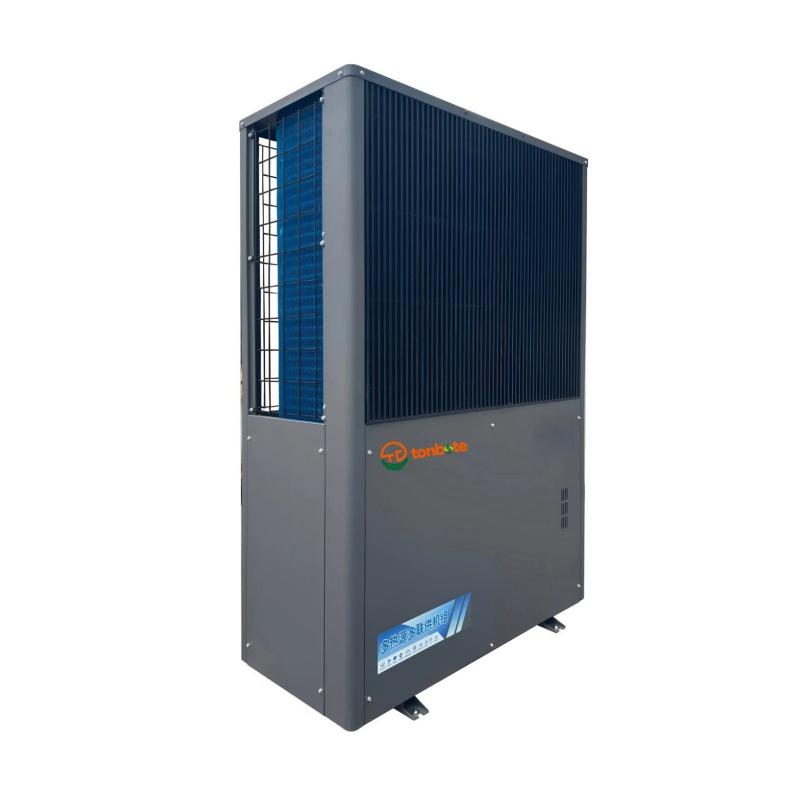
A thermostat in a guest room usually only has one job: keep the person inside comfortable. But what happens when that same device is also expected to trim energy costs and satisfy a building manager's monthly report? The answer isn't a tug-of-war. It's a quiet negotiation that plays out in degrees, schedules, and motion sensors.
The trick is to make efficiency invisible. A well-tuned thermostat doesn't announce that it just saved three percent on cooling. It simply notices when the room has been empty for an hour, eases back a few degrees, and then returns to the guest's preferred setting before they even reach for the key card again. No cold shocks, no stuffy afternoons—just a seamless background rhythm that respects both the guest's comfort and the property's bottom line.
Some hoteliers worry that any automation will lead to complaints. In practice, the opposite happens when the system is designed with a light touch. Limits matter: allow guests to override within a sensible range, and they rarely push the extremes. Combine that with predictive recovery times and occupancy-based setbacks, and you get a thermostat that feels personal rather than preachy. Comfort and efficiency don't have to fight for the same dial. They just need a smarter conversation.
The Missing Link Between Occupancy Data and Lower Bills
Building managers often treat occupancy data as a dashboard metric, but the real payoff arrives when that data shapes HVAC and lighting schedules directly. The problem is rarely a lack of sensors; it's that the information sits in one system while the controls live in another. Bridging that gap turns 'we know the room is empty' into 'we've stopped paying to condition it.'
A mid-sized office in Manchester found the missing link by feeding desk-level occupancy feeds into its building management system every five minutes. Instead of treating the whole floor as occupied from 8am to 6pm, zones with no one present dialed back ventilation and let temperatures drift by a few degrees. The result was a 23% drop in monthly energy costs without a single complaint about comfort.
The trick is to stop collecting occupancy data for reporting and start using it for real-time control. When the link is made, lower bills aren't a separate project; they're simply what the building does on its own.
Retrofit Your Existing HVAC Without Ripping Out Walls
Tearing down drywall to upgrade your heating and cooling system feels like a last resort. The good news? You can bring modern comfort into an older home without turning it into a construction zone. Retrofitting often means working with what's already behind the walls—ducts, wiring, and even the existing thermostat—while swapping out the equipment that's holding you back. A skilled technician can run new refrigerant lines through closets, attics, or along exterior walls with minimal intrusion, keeping your living space intact.
The real trick is choosing components designed for tight spaces. Slim duct systems, high-velocity air handlers, and ductless mini-splits are built to fit where traditional units can't. You might not be able to hide every line completely, but a good installer will route them discreetly, often inside existing chases or behind cabinetry. Even your old ductwork can sometimes be reused after a thorough cleaning and sealing—no demolition required, just better airflow.
Before you assume a retrofit is out of reach, have a pro assess your home's current setup. Many houses from the last few decades already have ducts that just need a compatible upgrade, not a full replacement. The result is cleaner air, lower energy bills, and a system that finally matches the way you live—all without so much as a patched hole in the wall.
Why Empty Rooms Are Your Biggest Energy Leak
An empty room doesn't simply stop consuming energy just because nobody's in it. Your HVAC system doesn't know the difference between a spare bedroom and a busy living room—it pushes conditioned air through every vent, fighting against the same wall insulation, window seals, and duct leakage. In fact, unoccupied spaces often make things worse because you're less likely to notice a draft, a stuck damper, or a thermostat reading that's off by a few degrees. The room sits there silently bleeding heat in winter and gaining it in summer, while your system works overtime to compensate.
The real culprit is often airflow imbalance. When a door stays closed, the return path gets restricted, creating positive pressure that forces conditioned air out through tiny gaps and pulls unconditioned air in from elsewhere. Even if you close the vents, standard registers don't seal completely—so you end up with a room that's still partially conditioned, but now with added static pressure on the ductwork. The energy leak isn't just the room itself; it's the way an empty space disrupts the intended circulation of the whole house.
One Smarter System from Rooftop Units to Room Sensors
Managing comfort in a large building usually means juggling a handful of disconnected tools. One system that spans everything from the rooftop units down to individual room sensors changes that. Instead of treating the HVAC equipment and the occupied spaces as separate problems, you get a single view of how air moves, where temperatures drift, and which zones need attention before occupants complain.
That end-to-end visibility removes a lot of guesswork. A chiller on the roof and a sensor in a corner office finally speak the same language, so a change in one part of the building doesn't create a mystery somewhere else. You can trace a comfort issue from the source to the space in seconds rather than sending a technician to wander through floors.
The result is less time spent coordinating between vendors or reconciling different dashboards. Equipment runs closer to actual demand, and small anomalies surface early. It's not about adding more sensors or more software; it's about tying together what you already have into one coherent system.
FAQ
It learns occupancy patterns and adjusts heating or cooling in empty rooms without making guests walk into a stuffy space. Housekeeping can also trigger a temporary comfort mode when they enter a room to clean.
Yes, it connects to most PTAC, fan coil, and split systems through a small adapter. Older units may need a relay module, but we have not found a property where it couldn't be retrofitted.
Most properties notice a difference in the first full billing cycle. The biggest savings come from unused rooms and overnight setbacks, which add up fast when you have 100+ rooms.
Absolutely. Staff can adjust any room from the dashboard or a mobile app. The override is temporary, so the energy-saving schedule resumes after the guest checks out.
No. It uses a low-power wireless mesh between room controllers and a central gateway. Only the gateway needs internet access, so guest Wi-Fi bandwidth is never touched.
Almost none. The sensors and controllers are solid-state, and firmware updates happen automatically overnight. A yearly visual check of wiring is enough.
Smaller hotels often see a faster payback because they have tighter margins. Even a 30-room inn can cut enough from HVAC costs to cover the system within two years.
It keeps the fan running a few minutes each day and maintains a minimum humidity threshold. You can set different rules for long-term vacant rooms versus normal turnover.
Conclusion
Most hotel energy waste happens quietly in rooms that look occupied on paper but sit empty for hours. The front desk checks a guest out, housekeeping updates a chart, and the HVAC keeps cooling or heating a vacant space until someone manually adjusts the thermostat. That gap between what the booking system knows and what the climate system does adds up fast across a property. A hotel HVAC energy saving maker built for smarter climate control closes that loop by pulling in real occupancy signals—door sensors, motion, check-in status, even housekeeping schedules—and letting the room unit respond immediately. Instead of treating every room with the same settings, it shifts to setback mode when no one is there and recovers comfort before a guest returns, so you don't sacrifice reviews for savings.
The better part is you don't need to tear out walls or replace every rooftop unit to get these results. The system retrofits onto existing HVAC equipment and ties together what used to be separate pieces: rooftop units, PTACs, thermostats, and room sensors now share one control layer. Empty rooms stop being your biggest energy leak because the building reacts to actual use, not a static schedule. Occupancy data that previously lived in a property management system finally reaches the equipment that burns the energy. Guests still get the temperature they expect when they walk in, but the hours of wasted runtime disappear. That's the missing link between lower bills and a building that feels just as comfortable—often more consistent—than before.
Contact Us
Contact Person: Wanshu Chen
Email: [email protected]
Tel/WhatsApp: +86-13662871206
Website: https://www.mbcee.com