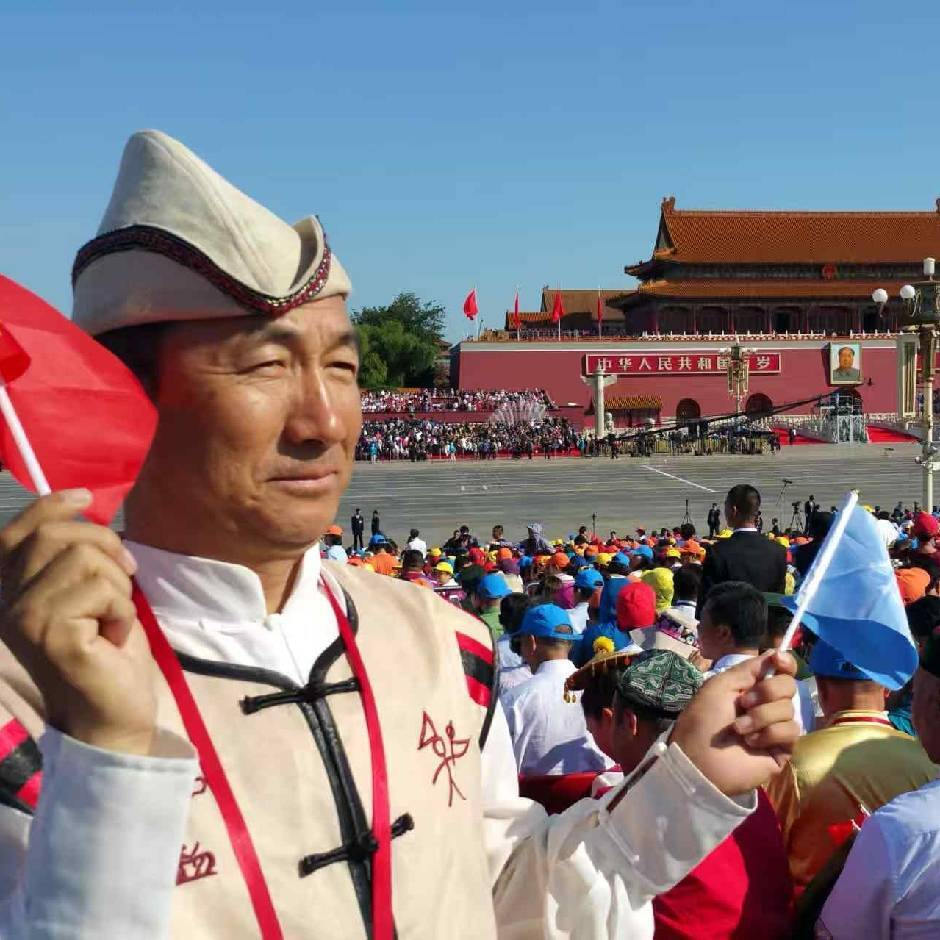

Must-Visit Naxi Cultural Attractions That Capture Ancient Traditions
2026-07-28
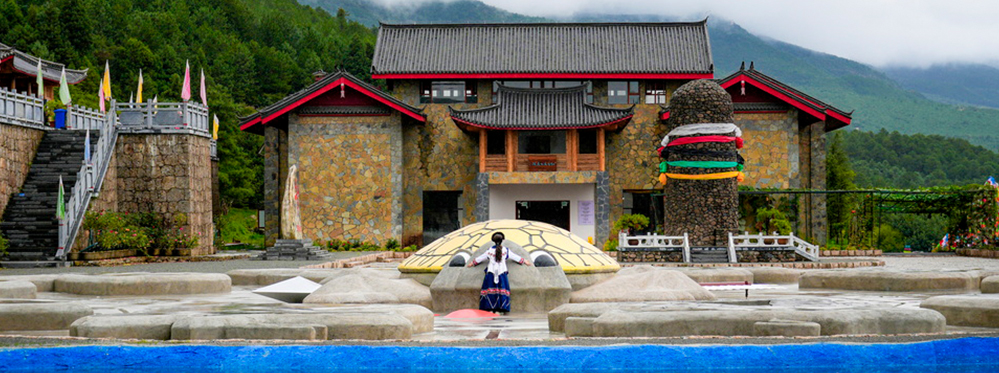
Discover the living heritage of the Naxi people in places where ancient traditions still breathe. While Lijiang’s old town draws crowds, the soul of Dongba culture hides in quieter corners — among them, Jade Water Village, a sanctuary of stone paths and sacred springs. This guide uncovers the must-visit spots that promise an authentic encounter with Naxi spirit.
Lose Yourself in the Timeworn Lanes of Lijiang Old Town
The first thing that hits you is the uneven rhythm of the cobblestones beneath your feet—centuries of footsteps have polished them to a dull gleam, each dip and crack a story left untranslated. You drift without a map, letting the narrow alleys pull you deeper into a maze of timber-framed shops and willow-shaded canals. The air carries a blend of roasted tea, damp wood, and the distant hum of a Naxi elder humming a half-remembered tune. There’s no rush here, no straight line to follow; every turn offers another sliver of soft lantern light or a glimpse of snow-capped peaks beyond the roof tiles.
Water is your constant companion—it gurgles beside the flagstones in slim runnels, reflecting the lanterns like scattered embers. Duck under a low archway and you might surprise yourself in a courtyard where time feels heavier, the walls etched with moss and the weight of dynasties. The wooden balconies lean just enough to share secrets across the lane, their carved flowers and phoenixes worn soft by monsoon rains. You start to notice details you’d miss on a guided tour: a door knocker shaped like a mythical beast, a cat dozing in a sunbeam, the exact shade of oxidized copper on a temple roof.
Eventually the lanes teach you to stop looking for a destination. You might find yourself on a three-hundred-year-old bridge, watching the reflections ripple, or in a small square where locals trade heirloom embroidery without a word of English. The town doesn’t demand your attention so much as it absorbs you into its slow, stubborn rhythms. When you finally retrace your steps—or, more likely, stumble out onto a different street entirely—you realize you’ve been walking inside a story that was unfolding long before you arrived, and will keep unfolding after you leave.
Unravel the Enigma of the Dongba Pictographs
For centuries, the Dongba pictographs have stood as a silent testament to a world both deeply spiritual and intimately connected to nature. Unlike any other writing system, these symbols were never meant to streamline daily trade or record mundane events; they were painstakingly crafted by the Naxi shamans to converse with gods, ward off malevolent spirits, and chronicle the epic migrations of their people. Each character carries a pulse—a stylized bird does not simply mean “bird” but embodies the soul of flight, while a curling river glyph suggests the living pathway of water through sacred mountains. The enigma lies not in deciphering simple nouns, but in grasping how a single pictograph can simultaneously represent a concrete object, a ritual action, and a whispered prayer.
What deepens the mystery is the manner in which these pictographs have been preserved and interpreted. Only a dwindling number of aging Dongbas can still chant the handwritten manuscripts with the correct cadence, for the books are not read in a linear fashion but used as mnemonic triggers for elaborate oral performances. A scene depicting a ceremony might have been sketched with minimal strokes, yet it unfolds into hours of recitation known only to the initiated. Modern researchers, armed with digital tools and philological methods, often capture the visual meaning but miss the layered resonance—the way a deer pictograph also invokes the animal’s role as a messenger between mountain and sky. The challenge is not merely linguistic but cultural, requiring patience and a certain humility before the silence that has settled over many forgotten rituals.
Perhaps the most intriguing enigma is the script’s quiet resistance to complete categorization. It hovers somewhere between art and language, between talisman and text. Some symbols are so fluid in form that the same Dongba might draw them differently depending on the occasion, much like a jazz musician improvising around a core motif. This fluidity frustrates those seeking a rigid Rosetta Stone, yet it reveals a deeper truth: the pictographs are not a closed code to be cracked but a living system of storytelling. To unravel them is less about finding a correct translation and more about learning to listen—to the rustle of leaves that inspired a certain curve, to the memory of ancestral chants that gave a character its rhythm, and to a worldview where every mark on paper holds the possibility of dialogue with the unseen.
Feel the Pulse of Ancient Naxi Melodies
Stepping into the old town of Lijiang, you’re wrapped in a soundscape unlike any other. The air carries reed-like tones of a vertical flute, the pluck of a stringed instrument, and voices rising in unhurried, resonant harmonies. These are the echoes of Naxi ancient music—a living tradition whispered through centuries, still beating in the heart of Yunnan’s mountain-walled city. It’s not a performance staged for outsiders; it’s a ritual of memory, where weathered hands draw melodies from silk-stringed pipas and gongs shaped like crescent moons, each note a stubborn refusal to be forgotten.
The Naxi people have long believed that music connects the earthly with the divine, and in their ancient orchestras, you can sense that sacred thread. Many of the scores—preserved on manuscripts yellowed by time—trace back to the Tang, Song, and Yuan dynasties, yet they’re not museum pieces. Listen closely, and you’ll catch the blend of Han courtly elegance, Daoist ritual, and local folk vigour that defines the “Baisha Xiyue” or “Dongjing” repertoire. It’s communal breath made audible: a room full of farmers, scholars, and shopkeepers, eyes half-closed, swaying slightly as their instruments converse in a language older than the cobblestones beneath them.
To truly feel the pulse, you need to let go of modern rhythm and sink into suspended time. A single piece can unfold for twenty minutes, its tempo ebbing and swelling like a long-distance runner’s heartbeat. There are no virtuosic solos here—the magic lives in collective restraint, in the quiet space left between notes. It’s in this spaciousness that you realize: you’re not just hearing a melody, but witnessing a community’s act of devotion, a subtle rebellion against the noise of forgetting. Walk out into the lantern-lit lanes afterward, and the music stays under your skin, a gentle, ancient pulse that lingers long after the last gong fades.
Step Inside a Living Masterpiece at Baisha Murals
In the quiet village of Baisha, just north of Lijiang, the ancient murals whisper stories that have survived centuries of wind, war, and cultural fusion. Unlike museum portrayals trapped behind glass, these frescoes remain in their original temple setting, where weathered walls and wooden beams still carry the scent of incense and aging clay. The moment you cross the threshold, you enter a space not just of art, but of living ritual—painted deities mingle with the everyday footsteps of visitors, creating an immersive dialogue between past and present.
What makes Baisha truly remarkable is the sheer uniqueness of its visual language. Here, Tibetan Buddhist, Taoist, and local Naxi shamanic figures share the same surface, their styles blending fluidly as if the artists refused to be bound by a single tradition. The murals don't just depict gods and mortals; they reveal a spiritual pragmatism rarely preserved elsewhere. One panel shows a Naxi hunter beside a Buddhist guardian, while another weaves lotus flowers and local wild mushrooms into the same radiant border. It’s as if the walls themselves practiced an early form of cultural diplomacy, long before borders were hardened.
Time has left its signature here, but that erosion only adds to the experience. Faded pigments and hairline cracks aren't flaws—they’re reminders that you’re standing before something genuine, something that wasn’t restored into glossy perfection for tourist brochures. The subdued natural light filtering through latticed windows turns the murals into living skin, their colors shifting subtly with the weather and the hour. Standing there, you sense you’re not just looking at a masterpiece—you’re briefly part of its ongoing story, a fleeting witness to art that still breathes.
Hike to a Hidden Naxi Village Beneath Jade Dragon Snow Mountain
Setting out from the old town, the trail begins innocuously enough, winding through fields of highland barley and past farmhouses where roosters scratch in the dirt. As the path climbs, the thrum of Lijiang’s tourist crowds fades into silence, replaced by the whisper of the wind through pine needles and the occasional tinkle of yak bells. The air grows thinner and cooler, carrying the scent of damp earth and wild mint. After an hour, the forest falls away and there it stands—Jade Dragon Snow Mountain, its jagged peaks piercing a cobalt sky, looming over a cluster of stone homes that seem to rise organically from the soil. This is the village, tucked so discreetly into the landscape that you’d miss it if you were talking or looking at your phone. With every step along the winding footpaths, the modern world peels away, leaving only the rhythm of your boots on the path and a deep, humming quiet that feels almost sacred.
The Naxi welcome you not with staged smiles, but with a nod that says “you’re here, good, have some tea.” In a flagstone courtyard, an elderly woman might pour you a cup of butter tea, her hands dark and wrinkled like walnuts, while her grandson translates her stories about the mountain spirits she believes still dwell in the glacier above. You’ll notice details no guidebook mentions: the way carved wooden lintels depict local myths, how irrigation channels divert spring water straight through kitchen gardens, and the ghost of the ancient Tea Horse Road imprinted into the very stones beneath your feet. Lunch might be a simple spread of yak cheese, sun-dried tomatoes, and baba bread baked on a hot stone—flavors that speak of self-reliance and centuries of isolation. There’s no souvenir shop, no entrance fee, just an invitation to slow down and witness a way of life rhythmically tied to the seasons and the mountain’s moods.
Beyond the village walls, the landscape invites further exploration: alpine meadows dotted with late-summer wildflowers, a glacier-fed stream so clear you can count the pebbles on the bottom, and the occasional prayer flag sending blessings into the wind. Some villagers still gather medicinal herbs on the mountain slopes, and if you’re lucky, they might show you which leaves soothe a headache or which bark heals a wound. The descent back is quieter still, as if the mountain has seeped into your bones, leaving you with the strange sense that you’ve not just visited a place, but been subtly remade by it. By the time the first paved road comes back into view, you’ll understand why the Naxi built their homes here—not to be discovered, but to live in the shadow of something greater, unbothered by the rush of time.
Savor Centuries-Old Flavors at a Naxi Hearth
Pull up a low wooden stool beside the crackling fire in a traditional Naxi kitchen. The air is thick with the scent of roasted barley and woodsmoke, and the warmth of the hearth draws you into a ritual that has barely changed in hundreds of years. Here, meals are not just about eating—they are a slow, deliberate communion with the past. Grandmothers stir cast-iron pots of yak-butter tea while passing down stories, and every dish carries the imprint of the ancient Tea Horse Road.
The flavors are bold and unapologetically rustic: cured pork belly, locally known as pipa rou, hangs above the fire, absorbing days of aromatic smoke before being sliced thin and served with mountain herbs. Hand-pulled buckwheat noodles swim in rich broths, and wild mushrooms foraged from nearby forests add an earthy depth. Bite into a grilled yak cheese skewer, and you taste the high-altitude pastures where the animals graze. It's food that demands attention, stripped of pretense and full of life.
As night settles over the ancient town, the hearth becomes a gathering place. Strangers become friends over shared cups of sulima, a millet wine that slips down with surprising ease. The flames flicker, casting long shadows on smoke-stained walls, and you realize that what you're tasting isn't just a meal—it's a living memory, preserved and passed on through generations who never saw a reason to change what was already perfect.
FAQ
The Old Town of Lijiang, a UNESCO World Heritage site, is a living museum of Naxi traditions. Its cobbled streets, ancient waterways, and traditional wooden houses reflect the harmonious Naxi way of life. The town’s layout follows the natural landscape, embodying the Naxi philosophy of living in balance with nature. You can often hear the ancient Dongba music played by local musicians and see elders practicing their time-honored crafts.
The Dongba Culture Museum in Lijiang is the best place to see authentic Dongba script, the world’s only living pictographic writing system. The museum houses ancient manuscripts, ritual objects, and artworks created by Dongba priests. It offers a deep dive into the Naxi’s animistic religion, their unique cosmology, and how the script is still used in ceremonies today.
The Baisha Murals, located in the Baisha village near Lijiang, are a fascinating blend of Han Chinese, Tibetan, and Naxi artistic styles. Painted during the Ming Dynasty, these murals depict Buddhist, Taoist, and Dongba religious themes coexisting, reflecting the region’s historical role as a cultural crossroads on the Tea Horse Road. They offer a rare visual record of the Naxi people’s openness to diverse spiritual influences.
The Jade Dragon Snow Mountain is considered a sacred mountain by the Naxi people, believed to be the embodiment of the Naxi god of nature, Sanduo. For centuries, it has been a site for Dongba rituals and prayers to protect the land. The mountain’s presence dominates the landscape of Lijiang and is central to Naxi legends and love stories, making it a powerful symbol of their cultural identity.
Yes, Shuhe Ancient Town offers a more tranquil, less commercialized alternative to Lijiang’s old town. Once an important stop on the Tea Horse Road, Shuhe retains its original layout with a central square, a clear river running through it, and well-preserved Naxi farmhouses. Here, you can see locals farming nearby fields, hear Naxi dialects being spoken, and taste homemade Naxi snacks like baba bread.
Naxi ancient music, known as Dongjing music, is a living fossil of Chinese classical music, preserved by the Naxi for over 500 years. You can listen to performances at the Naxi Orchestras in Lijiang’s old town, where elderly musicians play traditional instruments such as the pipa and bamboo flute. The music, often accompanied by chanting, was historically part of Taoist and Confucian rites, but has been adapted to include Naxi folk elements.
The Torch Festival, held in June of the lunar calendar, is a vibrant Naxi celebration featuring torch parades, horse racing, and singing. Another important event is the Sanduo Festival in February, honoring the mountain god. During these festivals, you’ll see colorful Naxi attire, Dongba ceremonies, and community feasts, offering an immersive look into Naxi communal life and beliefs.
Naxi cuisine is deeply tied to the high-altitude environment of Yunnan. Dishes like Naxi grilled fish, pickled vegetables, and the famous Three Course Tea are staples. The tea ceremony, which involves bitter, sweet, and aftertaste teas, symbolizes the Naxi philosophy of life. You can try these at family-run guesthouses in villages like Yuhu, where the food is still prepared using traditional methods passed down through generations.
Conclusion
Immersing yourself in the Naxi cultural heartland feels like stepping into a living tapestry where ancient traditions still breathe. Begin by wandering the timeworn cobblestone lanes of Lijiang Old Town, a UNESCO treasure where the gentle murmur of streams and the intricate wooden architecture whisper centuries-old stories. Here, the Dongba pictographs—the world's only surviving pictographic script—offer a fascinating enigma, etched into everything from shop signs to ceremonial artifacts, revealing the spiritual bond between the Naxi people and nature. As dusk settles, let the haunting strains of ancient Naxi melodies, performed on instruments like the bowed erhu and plucked pipa, pulse through you, preserving a soundtrack that has echoed through the Himalayas for generations.
Venture deeper and the narrative unfolds in full color. The Baisha Murals, a living masterpiece painted centuries ago, blend Taoist, Buddhist, and Naxi shamanic motifs in vibrant detail, still radiating the devotion of their creators. For a taste of daily life unchanged by time, hike to a hidden Naxi village nestled beneath the towering Jade Dragon Snow Mountain, where stone houses cling to the slopes and villagers greet you with warmth that transcends language. Finally, gather around a traditional Naxi hearth, where the aroma of cured ham, foraged mushrooms, and butter tea slow-cooked over an open fire invites you to savor flavors perfected over centuries. Each experience isn't just a stop on an itinerary—it's a thread in the living fabric of Naxi heritage, inviting you to weave your own memories into its timeless narrative.
Contact Us
Contact Person: Changhong He
Email: [email protected]
Tel/WhatsApp: 086-0888-5190152
Website: https://vip.e-baixing.com/ysh