

OEM Outdoor Circuit Breaker: Essential Safety Solutions for Electrical Systems
2026-01-03
In the complex world of electrical infrastructure, safety isn't just a feature—it's the foundation. As industrial and commercial environments increasingly push power systems to their limits, the right protective devices become critical to preventing catastrophic failures. Enter the OEM outdoor circuit breaker: a specialized component designed to withstand harsh environmental conditions while ensuring reliable operation. At Lugao, we understand that these breakers do more than interrupt circuits—they safeguard entire electrical ecosystems. In this blog, we'll explore why these devices are not merely accessories but essential solutions for modern electrical systems. What makes them uniquely capable of handling extreme weather, heavy loads, and unexpected surges? Let's dive into the engineering behind outdoor circuit breakers and how Lugao is leading the charge in delivering safety you can trust.
The Role of OEM Outdoor Circuit Breakers in Electrical System Protection
When it comes to safeguarding electrical systems in outdoor environments, OEM outdoor circuit breakers play a pivotal role by interrupting fault currents before they can cause significant damage. Unlike generic breakers, these units are specifically designed to withstand harsh weather conditions, from scorching heat to freezing rain, ensuring reliable performance year-round. Their robust construction and tailored specifications mean they integrate seamlessly with the original equipment, reducing the risk of mismatches that could compromise protection. For instance, in industrial settings or remote installations, a failure to use such specialized breakers might lead to unexpected outages or safety hazards, highlighting their critical importance in maintaining system integrity.
Beyond mere functionality, OEM outdoor circuit breakers contribute to enhanced system longevity by matching the precise electrical characteristics of the equipment they serve. This alignment minimizes wear and tear on components, as the breaker responds accurately to overloads and short circuits, preventing cascading failures. In renewable energy setups like solar farms, where exposure to the elements is constant, these breakers ensure that power generation remains stable and safe, avoiding costly downtime. By prioritizing manufacturer-specific designs, operators can trust that their protection systems are optimized for real-world demands, not just generic scenarios.
Moreover, the role of these breakers extends into safety compliance and regulatory adherence, as they often come with certifications tailored to industry standards for outdoor use. This makes them indispensable in applications ranging from utility grids to commercial buildings, where reliable circuit interruption can prevent fires and equipment damage. Their installation typically involves straightforward procedures that leverage existing OEM frameworks, simplifying maintenance and reducing the need for extensive modifications. Ultimately, investing in high-quality OEM outdoor circuit breakers translates to fewer disruptions and a stronger defense against electrical faults, making them a cornerstone of modern system protection strategies.
Design Features for Reliable Power Interruption in Outdoor Environments
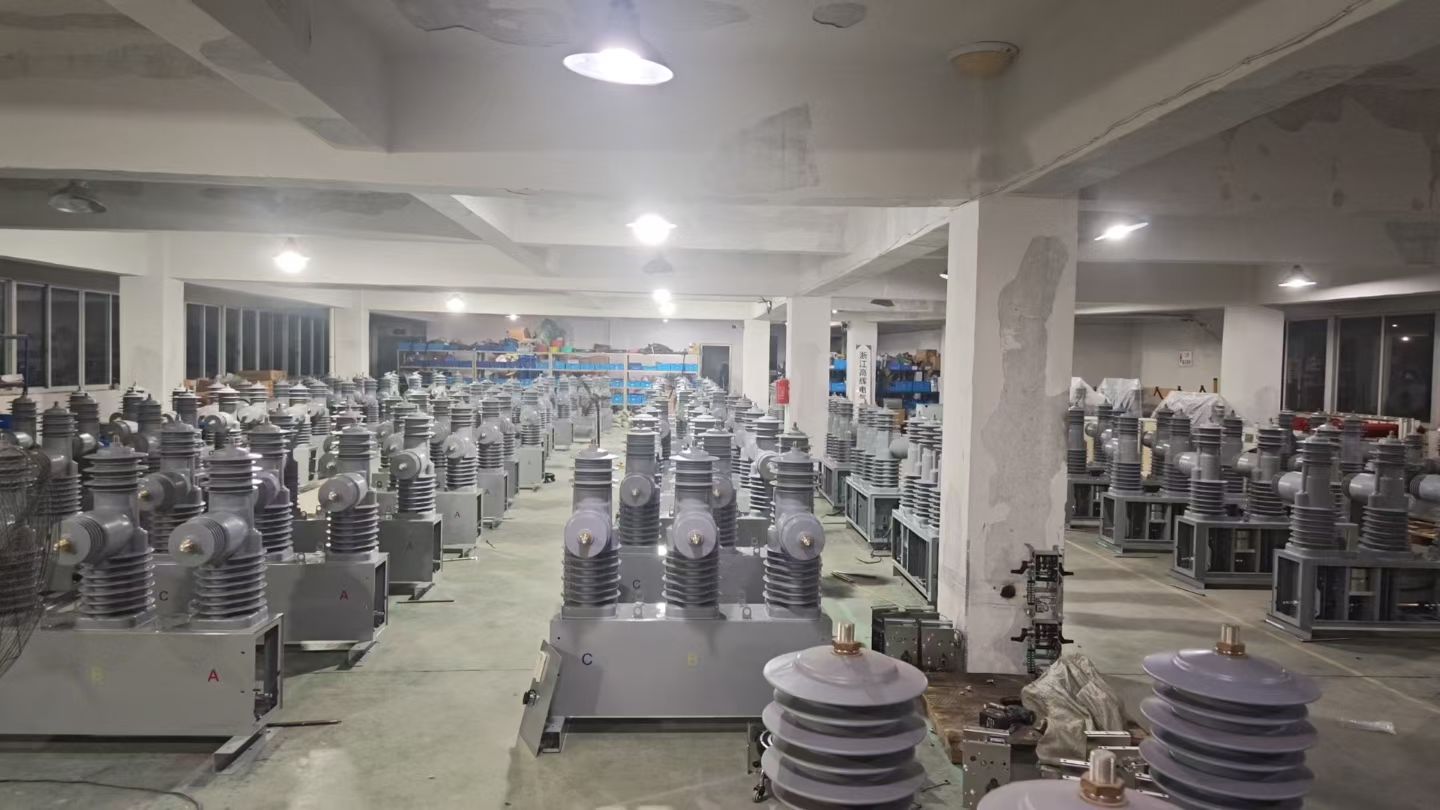
When designing reliable power interruption systems for outdoor environments, one must prioritize durability against harsh weather conditions. For instance, in coastal areas, salt-laden air can corrode metal components, while in arid regions, dust and sand may infiltrate electrical connections, causing short circuits. To counter this, manufacturers often use stainless steel or galvanized materials for enclosures and incorporate sealed gaskets to prevent moisture ingress. Additionally, UV-resistant coatings help protect against sun exposure, ensuring long-term performance without frequent maintenance.
Another key feature is the integration of smart sensors and remote monitoring capabilities, which enhance system resilience. These sensors can detect anomalies like voltage spikes or temperature fluctuations, triggering automatic shutdowns to prevent damage. By enabling real-time alerts via mobile apps or control centers, operators can respond swiftly to issues, minimizing downtime and improving safety. This proactive approach reduces reliance on manual inspections, making outdoor power interruption systems more reliable in unpredictable settings, such as construction sites or remote infrastructure projects.
Furthermore, modular design elements allow for flexibility and scalability in outdoor applications. For example, a power interruption system might include interchangeable circuit breakers and fuse units that can be easily swapped out based on load requirements or environmental changes. This adaptability not only simplifies upgrades but also ensures compatibility with various energy sources, such as solar panels or backup generators. By focusing on these tailored features, systems can maintain uninterrupted operation even when faced with extreme temperatures, heavy rainfall, or other outdoor challenges, ultimately boosting overall reliability and user confidence.
Innovative Materials and Durability in Harsh Outdoor Conditions
When designing products for outdoor use, the choice of materials often dictates their lifespan. Instead of relying on traditional options like standard plastics or untreated metals, manufacturers are increasingly turning to advanced composites and coatings. These innovations—think weather-resistant polymers or UV-stabilized alloys—can withstand extreme temperatures, moisture, and sunlight without degrading. This shift not only extends product life but also reduces maintenance needs, making items more resilient in unpredictable climates from desert heat to coastal humidity.
Beyond just enduring the elements, these new materials often incorporate smart features that enhance durability. For example, some fabrics now blend fibers with self-healing properties, allowing minor abrasions to seal on their own after exposure to rain or wind. Others use nanotechnology to create surfaces that repel dirt and water, keeping equipment cleaner and less prone to corrosion. By integrating such technologies, products maintain their functionality and appearance longer, even under constant strain from harsh outdoor environments.
Ultimately, the focus on innovation in this area is driven by real-world demands for sustainability and cost-efficiency. Long-lasting materials mean fewer replacements and less waste, aligning with eco-friendly goals. Whether it's outdoor furniture, construction tools, or gear for adventurers, leveraging cutting-edge solutions ensures that items don't just survive but thrive in tough conditions, offering users reliability where it matters most.
Safety Enhancements for Industrial and Commercial Electrical Setups
In modern facilities, safety isn't just a compliance checkbox—it's a core operational strategy. Upgrading electrical systems with smart sensors and real-time monitoring transforms static setups into responsive networks. These enhancements detect anomalies, like voltage fluctuations or heat buildup, before they escalate, reducing downtime and preventing costly equipment failures. By integrating advanced circuit protection and automated shutoff mechanisms, businesses create a safer environment for workers while boosting overall efficiency. It's about moving beyond basic standards to build resilient, adaptive electrical infrastructures that support long-term growth.
One often overlooked aspect is tailoring safety measures to specific industry needs. For example, in manufacturing, dust and moisture can pose unique risks, requiring sealed enclosures and specialized grounding techniques. Commercial spaces, like retail or offices, benefit from enhanced arc-fault protection to prevent fires in concealed wiring. Customizing solutions based on usage patterns and environmental factors ensures that enhancements are not just generic add-ons but integral parts of the electrical design. This approach minimizes hazards while optimizing performance, making safety a seamless part of daily operations rather than an afterthought.
Emerging technologies, such as IoT connectivity and predictive analytics, are revolutionizing electrical safety. Systems now can learn from historical data to forecast potential issues, allowing for proactive maintenance. For instance, sensors that monitor load distribution can alert managers to redistribute power before overloading occurs. This shift from reactive to predictive maintenance reduces emergency repairs and enhances reliability. By embracing these innovations, industrial and commercial setups not only meet regulatory demands but also gain a competitive edge through improved safety and operational continuity.
Customization Options for Specific Outdoor Applications
When venturing into the great outdoors, every environment presents its own set of challenges and opportunities. That's why customization isn't just a luxury—it's a necessity for anyone serious about their outdoor pursuits. Imagine you're deep in a rainforest, shrouded in humidity and dense foliage. Standard gear might falter, but a setup tailored to this specific scenario can make all the difference. From moisture-wicking fabrics that breathe in tropical heat to enhanced durability for rugged terrain, these options ensure your equipment adapts as seamlessly as you do.
Transitioning to a different scene, think about a high-altitude mountaineering expedition where temperatures plummet and oxygen thins. Here, customization shifts focus to features like insulated layers, wind-resistant materials, and gear that's lightweight yet incredibly robust. It's not just about staying warm; it's about optimizing your load to conserve energy while tackling steep ascents. By fine-tuning your kit for these extremes, you're not just preparing—you're empowering yourself to push boundaries safely and efficiently.
Beyond extreme conditions, even everyday outdoor activities like hiking in rolling hills or camping by a serene lake benefit from thoughtful customization. Maybe you need quick-drying fabrics for unexpected rain showers, or integrated storage solutions to keep essentials within easy reach. The beauty lies in how these tailored options enhance your experience, making each outing more comfortable and enjoyable without compromising on performance. In essence, embracing customization transforms generic gear into a personal ally, perfectly aligned with the unique demands of your chosen adventure.
Long-Term Performance and Ease of Maintenance Insights
Over the years, we've observed that systems built with a focus on modularity and clear documentation tend to stand the test of time. By designing components that are easily replaceable and upgradeable, companies can avoid the pitfalls of technical debt. This approach not only keeps performance high as technology evolves but also reduces the risk of unexpected downtime, making long-term operation smoother and more predictable.
Maintenance is often where many projects falter, but by integrating automated monitoring and alerting tools from the start, we've seen a significant drop in manual intervention. Teams that prioritize regular, scheduled check-ups and use version control effectively find that addressing issues becomes a straightforward task rather than a crisis. This proactive stance ensures that systems remain robust and adaptable, even as user demands grow or new requirements emerge.
Our insights reveal that investing in training and clear processes for maintenance teams pays off handsomely in the long run. When staff are well-versed in the system's architecture and have access to detailed logs, troubleshooting becomes faster and more accurate. This not only boosts efficiency but also fosters a culture of continuous improvement, where every maintenance task becomes an opportunity to enhance overall performance and reliability.
FAQ
An OEM outdoor circuit breaker is specifically designed to withstand harsh weather conditions like rain, snow, and extreme temperatures, unlike indoor models that operate in controlled environments. Key differences include higher IP (Ingress Protection) ratings for water and dust resistance, corrosion-resistant materials, and UV-stabilized enclosures to prevent degradation from sunlight.
Outdoor circuit breakers are crucial because they prevent electrical hazards like short circuits, overloads, and ground faults in exposed areas, reducing the risk of fires, equipment damage, and electric shocks. They act as a first line of defense by automatically interrupting power when abnormalities are detected, ensuring safety in gardens, industrial sites, and outdoor lighting systems.
These breakers are built with robust materials such as reinforced polycarbonate or stainless steel housings, sealed gaskets to prevent moisture ingress, and thermal management components to handle temperature fluctuations. Some models include arc suppression technology and anti-corrosion coatings, extending their lifespan even in coastal or high-humidity environments.
Installation involves mounting it in a weatherproof enclosure at a safe height, following local electrical codes, and ensuring proper grounding. Maintenance includes regular visual inspections for damage, cleaning debris from vents, and testing the tripping mechanism annually. Avoid exposing it to direct water streams unless rated for such conditions.
Yes, many modern OEM outdoor circuit breakers offer smart features, allowing integration with home automation systems via Wi-Fi or Bluetooth. This enables remote monitoring, real-time alerts for faults, and scheduling of power cycles, providing convenience and proactive safety management without manual intervention.
Consider the electrical load requirements (e.g., amperage and voltage rating), environmental conditions (like temperature range and exposure to elements), enclosure IP rating (e.g., IP65 for dust and water jets), compliance with safety standards (like UL or IEC), and any additional features such as surge protection or connectivity options.
By preventing energy waste from faulty circuits and enabling precise control over outdoor power usage, they help optimize efficiency. For instance, they can be paired with timers or sensors to reduce unnecessary consumption, and their reliable operation minimizes downtime and repair costs associated with electrical failures.
Conclusion
OEM outdoor circuit breakers serve as critical components in safeguarding electrical systems, ensuring reliable protection against faults and overloads in diverse environments. Their design incorporates advanced materials and robust construction to withstand harsh outdoor conditions, from extreme temperatures to moisture and corrosion. By prioritizing durability and innovative features, these breakers maintain consistent performance while enhancing safety for industrial and commercial setups. The role of these devices extends beyond basic interruption, as they contribute to overall system stability and risk mitigation in demanding applications.
Customization options allow these circuit breakers to be tailored for specific outdoor needs, addressing unique challenges in fields like infrastructure or renewable energy. This flexibility, combined with insights into long-term performance and ease of maintenance, ensures that they deliver enduring value with minimal downtime. By integrating these aspects, OEM outdoor circuit breakers stand out as essential safety solutions that not only meet regulatory standards but also adapt to evolving technological demands. Their comprehensive approach to electrical system protection makes them indispensable for modern outdoor installations, fostering reliability and peace of mind.
Contact Us
Contact Person: Doreen
Email: [email protected]
Tel/WhatsApp: 8618057712366
Website: https://www.liugaopower.com/