

Private Label Veterinary Fluralaner Liquid for Effective Flea and Tick Control
2026-09-27
Fleas and ticks aren't just a nuisance—they're a year-round threat that pet owners battle daily. Yet most retail shelves offer the same tired formulas. What if your brand could stand apart with a veterinary-grade solution that actually works? Enter Lucpets and their private label Fluralaner liquid—a potent, long-lasting weapon against parasites that's ready to carry your name. No fluff, just results your customers will notice.
Fluralaner's Edge Over Traditional Flea and Tick Treatments
Most conventional flea and tick products rely on repeated monthly applications, leaving gaps in protection when doses are missed or delayed. Fluralaner works differently: a single dose keeps working for up to 12 weeks, binding tightly to plasma proteins and releasing slowly into the bloodstream. This means the active ingredient stays at effective levels in the skin and tissues where parasites feed, without the peaks and troughs seen with older monthly treatments.
The practical difference becomes clear in real households. With traditional spot-ons or oral tablets, forgetting a dose by just a few days can allow fleas to re-infest carpets and bedding, restarting the entire lifecycle. Fluralaner's extended window absorbs those human errors. Pet owners don't need to coordinate treatments with grooming, swimming, or bathing schedules as strictly, since the drug is not washed off like topical solutions.
Another quiet advantage is its mode of action against multiple life stages. While many older products target only adult fleas or require separate environmental sprays for eggs and larvae, fluralaner's systemic presence kills newly emerged adults before they lay eggs, gradually collapsing the home infestation. This reduces the need for additional household chemicals and makes it easier to break the flea cycle in multi-pet homes.
Building Trust with a Private Label Veterinary Brand
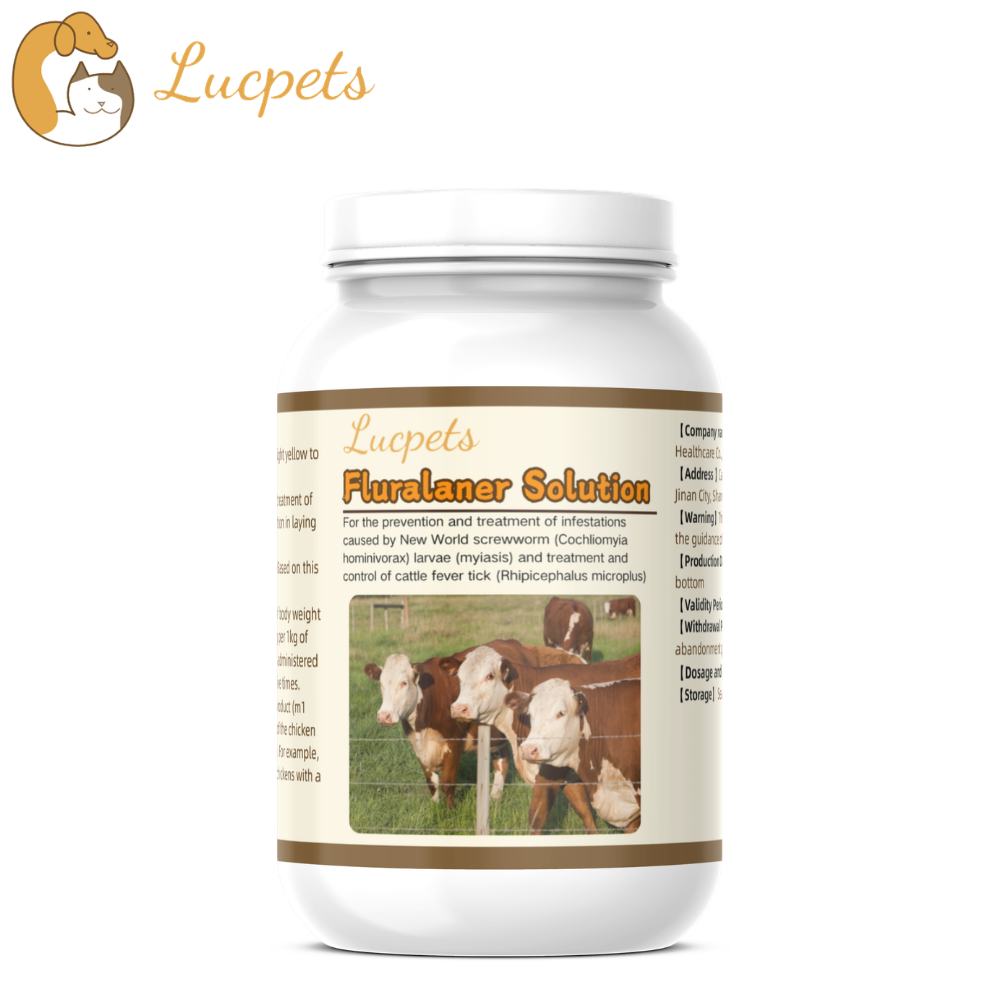
Pet owners have grown tired of vague promises like "premium quality" on a label. They want to know which veterinarian helped formulate the product, what clinical observations shaped it, and whether each batch passed independent testing. A private label veterinary brand can turn that curiosity into trust by pulling back the curtain on its process.
One approach is to put the clinic's name and a real veterinarian's signature on every package, along with a batch code that links to test results for heavy metals, microbial contamination, and potency. Clients can even view audit reports from ingredient suppliers. This level of transparency makes "private label" feel less like an unknown and more like a product with deeper traceability than many big brands.
When a pet owner takes that product home, they're extending the trust they already have in their vet. Every dose given reinforces the belief that this clinic would never gamble with their pet's health. That kind of trust doesn't just drive repeat purchases—it turns clients into advocates who tell other pet owners about a product that feels like an insider's secret.
A Liquid Formula Designed for Rapid Absorption
The viscosity is deliberately kept low, allowing the liquid to spread across mucous membranes almost immediately after contact. Instead of relying on capsules that must first dissolve in stomach acid, this formula bypasses that delay by presenting nutrients in a pre-dissolved state. The result is a noticeably faster onset compared to many solid-dose alternatives.
A blend of medium-chain triglycerides and phospholipids supports this speed by forming a stable emulsion that resists separation. Micronized active compounds remain evenly suspended, so each milliliter delivers a consistent amount without settling or clumping. This structural choice reduces the work your digestive system has to do before absorption can begin.
Users often describe the effect as having a clean finish—no heavy aftertaste, no lingering film, just a quick uptake that feels efficient. The formulation was refined through iterative testing with varying droplet sizes, ultimately settling on a range that maximizes surface area for passive diffusion while avoiding irritation.
Keeping Pets Protected Without the Messy Application
Traditional flea and tick preventives often leave an oily residue along your dog’s back, and applying them can turn into a two-person wrestling match. The good news is that protection no longer has to involve a messy liquid you squeeze between the shoulder blades. Many newer formulas come in pre-measured applicators that snap cleanly, or in chewable tablets your pet happily takes as a treat. For cats, there are also collars and spot-on options designed with quick-drying, low-odor carriers that don't leave the fur clumped or greasy.
If your pet hates the smell or feel of a topical treatment, switching to an oral or collar-based product can remove the struggle entirely. Oral chews work from the inside out, so there’s nothing to rub off on your furniture or your hands, and you don’t have to keep kids away from the application site. Meanwhile, newer topical applicators have been redesigned with narrower tips and controlled flow to reduce drips. Whichever route you choose, the key is matching the format to your pet’s temperament and your own tolerance for cleanup—because keeping them safe shouldn't mean turning your living room into a splash zone.
What Veterinarians Value in Fluralaner-Based Products
When veterinarians reach for a fluralaner-based parasiticide, they aren't just looking at the active ingredient's potency—they're weighing how it holds up in the messy reality of clinical practice. A product that offers 12 weeks of coverage instead of the usual monthly dosing changes the conversation with pet owners who struggle to remember applications. That longer interval means fewer lapses, fewer frantic calls about flea infestations, and more trust in the preventive plan. Vets notice when clients come back with calm, well-protected animals rather than recurring skin issues tied to flea allergy dermatitis.
Safety across a wide range of patients is another quiet but decisive factor. The ability to use the same formulation in dogs, cats, and even young or breeding animals—without constant dose recalculations or worry about off-label risks—saves time and reduces errors. Many practitioners also value that fluralaner works systemically rather than relying on surface contact, so a quick swim or a bath won't strip away the protection. That resilience matters in regions with heavy tick pressure or where owners lead active outdoor lifestyles with their pets.
Finally, veterinarians appreciate when a product's real-world performance matches its label claims. They hear stories from clients whose dogs rolled in leaf litter in Lyme-endemic areas and still tested negative months later. They see fewer cases of tick-borne anaplasmosis or ehrlichiosis in their own records. It's not about flashy marketing—it's about the slow, steady accumulation of positive outcomes that make fluralaner a default recommendation in many practices, especially for those tough-to-manage parasite challenges.
Custom Labeling That Reflects Your Practice's Standards
Walk into any well-run practice and you’ll notice the same thing: the materials patients touch, read, and act on are never an afterthought. Custom labeling takes that principle and applies it to every label, tag, and instruction sheet your team uses. Rather than adapting your procedures to fit a stock label template, you build labels around the exact protocols, safety checks, and patient communication style your practice already lives by. That could mean a label that mirrors your intake flow, or a medication instruction format that matches your staff’s spoken guidance.
Where this really pays off is in the day-to-day friction it removes. A label that reflects your practice’s standards isn’t just nicer to look at — it actively reduces misunderstandings. When a specimen vial carries the same naming convention your lab expects, or a follow-up label echoes the same phrasing your front desk uses, everything runs with fewer interruptions. Your staff doesn’t have to translate between generic wording and your internal shorthand. And because the labels are designed with your actual workflow in mind, they’re more likely to be read correctly the first time.
Over time, that consistency becomes part of how patients recognize your practice. They may not consciously notice a label, but they do notice when instructions feel familiar, clean, and trustworthy. Custom labeling quietly reinforces the care you put into every other part of the patient experience. It’s one of those small, deliberate choices that separates a practice that simply operates from one that operates by its own standards.
FAQ
Fluralaner blocks GABA-gated and glutamate-gated chloride channels in the parasite nervous system. That dual mechanism makes it much harder for fleas and ticks to build resistance compared to single-pathway actives. A single dose keeps working for up to 12 weeks.
It begins disrupting the flea life cycle within hours. Adult fleas on the animal are typically dead within 8 to 12 hours, and newly arriving fleas are killed before they can lay eggs. Ticks follow a slightly slower timeline, with most killed within 12 to 24 hours.
Yes, the liquid is produced under full white-label agreements. You choose the bottle size, label design, and packaging format. Every batch is tested for purity and stability, and certificates of analysis are included with each shipment.
Fluralaner belongs to the isoxazoline class, which has been linked to rare neurological reactions. Dogs with uncontrolled epilepsy or a known sensitivity to isoxazolines should only receive it under direct veterinary supervision. For most healthy dogs, side effects are limited to mild stomach upset.
Dosing is based on body weight. The liquid comes with a graduated syringe or dropper for accurate measurement. A typical dose delivers 25 to 50 mg of fluralaner per kilogram of body weight, depending on regional parasite pressure. Always weigh the animal before calculating the dose.
This formulation is calibrated for dogs. Cats have different metabolic pathways, so a separate feline-specific fluralaner product should be used. Keep treated dogs away from cats for a few hours after application to avoid accidental grooming transfer.
The liquid uses a fast-drying, low-surfactant base. Once it spreads across the skin, the coat feels dry to the touch within 30 to 60 minutes. There is no strong odor, and the application site typically clears within a day.
Store sealed bottles at 15–30°C away from direct sunlight. Unopened batches retain full potency for 36 months from the manufacture date. Once opened, use within 90 days and keep the cap tightly closed to prevent evaporation.
Conclusion
Fluralaner's mode of action sets it apart from older flea and tick remedies that depend on surface contact and repeated applications. Once the liquid is given, the compound is absorbed rapidly into the bloodstream, reaching protective levels faster than many topical products that migrate slowly through skin lipids. This systemic approach means fleas and ticks must bite to be exposed, but the result is sustained efficacy over a longer window, with fewer missed doses. For a private label veterinary line, that performance creates a direct link between the clinic's brand and a reliable outcome. Clients remember which practice supplied the treatment that finally broke the flea cycle, and that memory becomes a lasting trust signal.
The liquid format also removes common compliance barriers. There is no oily residue on the coat, no need to isolate treated pets from children or other animals, and no unpleasant smell that makes owners hesitate. Veterinarians often choose fluralaner-based products because of the wide safety margin across breeds and the predictable response in both dogs and cats. When a private label option allows the practice to place its own name, dosage guidance, and contact details on the label, the product stops being a generic commodity and becomes part of the clinic's standard of care. That kind of custom labeling reinforces protocols, reduces confusion at home, and keeps the conversation focused on prevention rather than product comparison.
Contact Us
Contact Person: Aaron
Email: [email protected]
Tel/WhatsApp: +86 18177165140
Website: https://www.lucpetsglobal.com