

Top 10 Segment LCD Display Choices: Essential Picks for Optimal Performance and Clarity
2026-03-31
Exploring the perfect segment LCD display can be a game-changer for your projects, blending performance with crystal-clear visuals. In this guide, we delve into the top 10 choices that stand out in the market—each selected for its ability to enhance usability and readability. At the forefront, innovations from Jingda-Display have consistently pushed boundaries, offering solutions that captivate engineers and designers alike. Dive in to uncover the essential picks that could transform your applications, sparking curiosity about what lies ahead in display technology.
Crisp Readability: Core Features of Segment LCDs
Segment LCDs, or segmented liquid crystal displays, are renowned for their sharp and clear visual output, making them ideal for applications where readability is paramount. Unlike more complex displays, these screens use predefined segments to form characters and symbols, ensuring that each element is distinct and easy to interpret even in challenging conditions like direct sunlight or low light. This straightforward design eliminates the pixelation issues common in other display types, delivering a consistently high-contrast appearance that users can depend on for quick and accurate readings.
The simplicity of segment LCDs contributes directly to their exceptional reliability and energy efficiency, which are key factors in their widespread adoption across industries. By requiring minimal power to maintain visibility, they can operate for extended periods on small batteries, making them a go-to choice for devices ranging from digital watches to medical instruments. This combination of low power consumption and robust performance ensures that the display remains crisp over time, without the need for frequent updates or complex circuitry that might introduce errors or reduce durability.
In practice, the readability of segment LCDs is enhanced by their ability to be customized for specific contexts, allowing manufacturers to tailor the segments to display specialized information effectively. For instance, in automotive dashboards or industrial controls, the segments can be designed to show critical data like speed or temperature with large, bold characters that are instantly recognizable. This level of customization ensures that the display not only meets functional requirements but also integrates seamlessly into the user interface, providing a user-friendly experience that stands out in a crowded market of display technologies.
Energy Efficiency: Low-Power Benefits in Modern Design
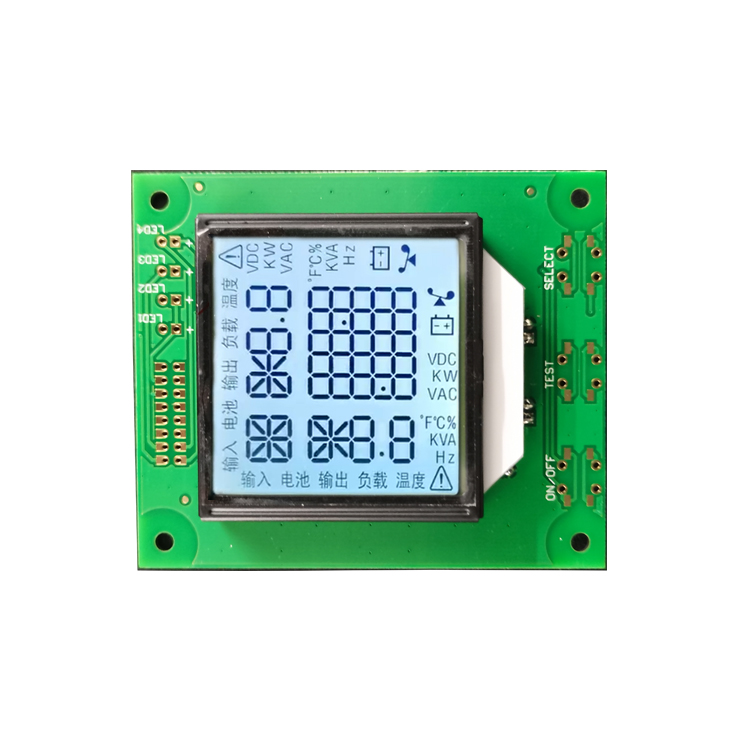
Embracing low-power design isn't just a nod to environmental responsibility; it's a fundamental shift that unlocks tangible benefits for both creators and users. By reducing energy consumption, devices become more cost-effective to operate over their lifespan, easing the burden on household budgets and corporate expenses alike. This approach also extends battery life in portable gadgets, enhancing user convenience and reducing the frequency of charging cycles, which in turn lessens wear on components.
Beyond immediate savings, low-power strategies foster innovation by forcing designers to think creatively about component selection and system architecture. This leads to sleeker, more efficient products that often run cooler, improving durability and performance under various conditions. In crowded markets, such optimizations can differentiate a product, appealing to eco-conscious consumers and meeting stringent regulatory standards without compromising on functionality.
The ripple effects of these designs extend to broader societal impacts, reducing the collective carbon footprint and alleviating strain on power grids. As modern design continues to evolve, prioritizing energy efficiency not only future-proofs technology but also builds brand reputation around sustainability, making it a smart, forward-thinking choice that resonates across industries.
Wide Viewing Angles: Enhancing Visibility Across Devices
Are you tired of constantly adjusting your device to see the screen clearly? With wide viewing angles, that hassle becomes a thing of the past. This feature ensures sharp, vibrant visuals whether you're peeking from the side during a group viewing session or working on a slanted desktop setup. It's all about delivering consistent color reproduction and minimal distortion, so everyone in the room gets the same high-quality experience without compromise.
In today's multi-device world, seamless visibility is key. From smartphones to smart TVs, wide viewing angles adapt to your lifestyle, making content pop no matter how you hold or position your device. Gone are the days of washed-out colors or glare when you shift your angle. This technology leverages advanced layers and materials to maintain clarity, ensuring that whether you're gaming, streaming, or collaborating, your view stays stunning from every perspective.
Beyond just a technical spec, wide viewing angles enhance real-world usability. Imagine effortlessly sharing a presentation with colleagues or enjoying a movie night with friends without anyone straining to see. It's a subtle yet powerful upgrade that transforms how we interact with screens daily, prioritizing comfort and accessibility for all users.
Durability Tests: Reliability in Harsh Conditions
In today's demanding industrial and consumer environments, durability testing isn't just a checkbox—it's a critical assurance that products can handle real-world stresses over time. These tests simulate extreme conditions like temperature fluctuations, moisture exposure, and mechanical impacts to predict failure points. By identifying weaknesses early, manufacturers can refine designs, ensuring that devices don't just survive but perform reliably in the toughest scenarios, from automotive parts in scorching deserts to electronics in humid coastal areas.
Beyond standard benchmarks, advanced durability assessments now incorporate dynamic stress cycles that mirror actual usage patterns, rather than static lab conditions. For instance, iterative vibration tests can replicate years of transport wear in hours, while combined environmental chambers expose materials to simultaneous heat, cold, and humidity shifts. This holistic approach helps uncover hidden flaws—like material fatigue or corrosion—that single-factor tests might miss, empowering companies to deliver products that truly endure unpredictable environments.
Ultimately, robust durability testing translates to tangible benefits for both businesses and end-users. By investing in thorough evaluations, brands reduce warranty claims and enhance customer trust, as products prove their mettle in harsh climates or heavy use. Whether it's a rugged smartphone surviving drops or machinery operating flawlessly in Arctic cold, these tests ensure that reliability isn't just a promise but a proven outcome, fostering loyalty and setting standards in competitive markets.
Customizable Options: Tailoring Displays to Your Needs
Imagine having a display that adapts seamlessly to your unique workflow, whether you are a graphic designer fine-tuning colors under various lighting conditions or a gamer needing split-second responsiveness. Our customizable options go beyond basic settings, allowing you to adjust everything from color calibration and refresh rates to multi-window layouts and shortcut keys. This flexibility ensures that the display not only meets technical specifications but also aligns perfectly with your personal preferences and daily tasks, enhancing both productivity and enjoyment.
What sets our approach apart is the depth of personalization available. Unlike standard displays that offer limited presets, we provide granular controls that let you tweak aspects like motion blur reduction, ambient light sensors, and even custom notification overlays. This means you can create a setup that feels uniquely yours, whether you are optimizing for creative projects, competitive gaming, or intensive data analysis. By empowering users to fine-tune every detail, we ensure the display evolves with your needs over time.
In practical terms, this customization translates to a more intuitive and efficient experience. For instance, you might configure specific profiles for different applications—say, a high-contrast mode for reading documents and a vibrant palette for editing videos. With easy-to-use software interfaces and hardware adjustments, making these changes is straightforward, eliminating the need for constant manual tweaks. Ultimately, by tailoring displays to individual requirements, we help you achieve a level of precision and comfort that generic solutions simply cannot match.
Cost-Effective Solutions: Balancing Price and Performance
In today's competitive landscape, finding cost-effective solutions isn't just about cutting corners to save money; it's about smartly allocating resources to maximize both affordability and functionality. By striking the right balance between price and performance, businesses can avoid common pitfalls like overspending on unnecessary features or compromising quality for short-term gains. This approach often involves evaluating long-term value, such as reduced maintenance costs or enhanced productivity, which can lead to significant savings over time without sacrificing efficiency or customer satisfaction.
A key aspect of achieving this balance is to prioritize features based on their direct impact on core objectives, ensuring that every dollar spent contributes meaningfully to operational goals. For instance, investing in scalable technology might have a higher upfront cost but can prevent expensive upgrades later, while opting for modular designs allows for flexible adjustments as needs evolve. This strategy not only optimizes budgets but also fosters innovation by focusing on what truly matters rather than chasing the latest trends that may not align with specific requirements.
Ultimately, cost-effective solutions thrive on a culture of continuous improvement and strategic decision-making. Regularly assessing performance metrics against costs helps identify areas for refinement, enabling organizations to adapt to changing market conditions without breaking the bank. By embracing this balanced mindset, companies can build resilient systems that deliver reliable results while maintaining financial prudence, setting themselves apart in a crowded marketplace where value truly drives success.
FAQ
When choosing a segment LCD for optimal performance, prioritize factors like viewing angle, contrast ratio, and response time. Displays with wide viewing angles enhance visibility from various orientations, while high contrast ensures clear readability even in bright light. Fast response times are crucial for dynamic data updates.
Segment LCDs excel in scenarios requiring low power consumption and excellent readability in direct sunlight. Their simple segment-based design minimizes energy use compared to dot-matrix or OLED displays, which may struggle with glare and higher power draw, making them ideal for battery-powered devices.
In demanding environments like industrial or automotive applications, segment LCD clarity ensures quick, error-free data interpretation. High-contrast and large segments reduce eye strain and improve reaction times, which is critical for safety and efficiency in fast-paced or low-light conditions.
For wearables and portables, opt for ultra-thin, flexible segment LCDs with low power consumption. These displays often feature customizable shapes and sizes, integrating seamlessly into compact designs while maintaining readability and durability for everyday use on-the-go.
Yes, segment LCDs offer extensive customization options like color filters, backlighting variations, and unique segment arrangements. This allows brands to align displays with their visual identity while preserving core performance attributes such as clarity and low power usage.
Recent innovations include enhanced reflective coatings for better sunlight legibility, improved temperature stability for broader operating ranges, and finer segment resolutions. These advancements boost overall durability and visual performance, making modern displays more versatile across different environments.
Segment LCDs are highly power-efficient due to their passive nature, consuming minimal energy only when segments are activated. This results in longer battery life for devices compared to active displays like OLEDs, which require continuous power for illumination, making them ideal for extended operational periods.
Conclusion
Segment LCD displays have emerged as a top choice for applications requiring exceptional performance and clarity, offering crisp readability as one of their core features. These displays provide sharp, easily distinguishable characters or symbols, ensuring information is communicated effectively even in varying lighting conditions. Beyond mere visibility, their energy efficiency stands out as a key advantage in modern design, significantly reducing power consumption compared to other display types. This low-power benefit not only extends battery life in portable devices but also supports sustainable and cost-effective operation, making them ideal for applications like medical devices, industrial equipment, and consumer electronics. Additionally, wide viewing angles enhance visibility across diverse devices, allowing users to read displays clearly from different positions without distortion, which is crucial for usability in shared or dynamic environments.
Durability is another critical aspect, with segment LCDs undergoing rigorous reliability tests to withstand harsh conditions such as extreme temperatures, humidity, and mechanical stress, ensuring long-term functionality in demanding settings like automotive dashboards or outdoor instruments. Customizable options add a layer of flexibility by tailoring displays to specific needs, including variations in size, color, backlighting, and segment configurations, enabling seamless integration into unique project requirements. This adaptability, combined with cost-effective solutions that balance price and performance, positions segment LCDs as a versatile and economical alternative to more complex technologies. In essence, these top picks—through their blend of clarity, efficiency, visibility, resilience, customization, and affordability—offer a comprehensive solution for achieving optimal performance, making them indispensable in both commercial and industrial contexts.
Contact Us
Contact Person: Vincent
Email: [email protected]
Tel/WhatsApp: 86 135 5485 1379
Website: https://www.jda-display.com/