
Warehouse Forklift Recommendations: How to Select the Perfect Machine for Your Needs
2026-07-30
Choosing the right warehouse forklift can make or break your operational efficiency. With so many options, it's easy to feel lost. In this guide, we'll cut through the noise and highlight what really matters—from lift capacity to maneuverability—and why HANGCHA stands out as a top contender. Let's get started.
How Your Warehouse Layout Shapes Forklift Decisions
Warehouse layout isn't just about where shelves sit—it directly dictates what type of forklift you'll need. Narrow aisles force you toward reach trucks or articulated forklifts, while wide-open spaces can accommodate larger counterbalance models. Even the height of your racking and the positioning of loading docks push certain specifications to the forefront. Ignoring these spatial dynamics often results in equipment that can't maneuver properly, slowing down every movement on the floor.
The flow of goods through the facility further refines forklift requirements. If your layout supports a single-direction workflow with minimal cross-traffic, a less agile but higher-capacity lift may suffice. But in a hub-and-spoke design where paths intersect constantly, maneuverability and visibility become non-negotiable. Considerations like floor surface quality also come into play: uneven concrete might dictate pneumatic tires, while smooth polished floors allow for cushion tires that lower the overall center of gravity.
Finally, the integration points—staging areas, packing stations, and loading bays—have their own demands. A layout that places these too close together may require forklifts with tighter turning radii, while a spread-out footprint might justify investing in faster travel-speed models. Every dimensional detail, from door widths to column spacing, nudges your decision toward a narrower set of options. Overlooking how these physical constraints interact with daily tasks leads to costly mismatches that ripple through operational efficiency.
Load Capacity and Lift Height: Getting the Numbers Right
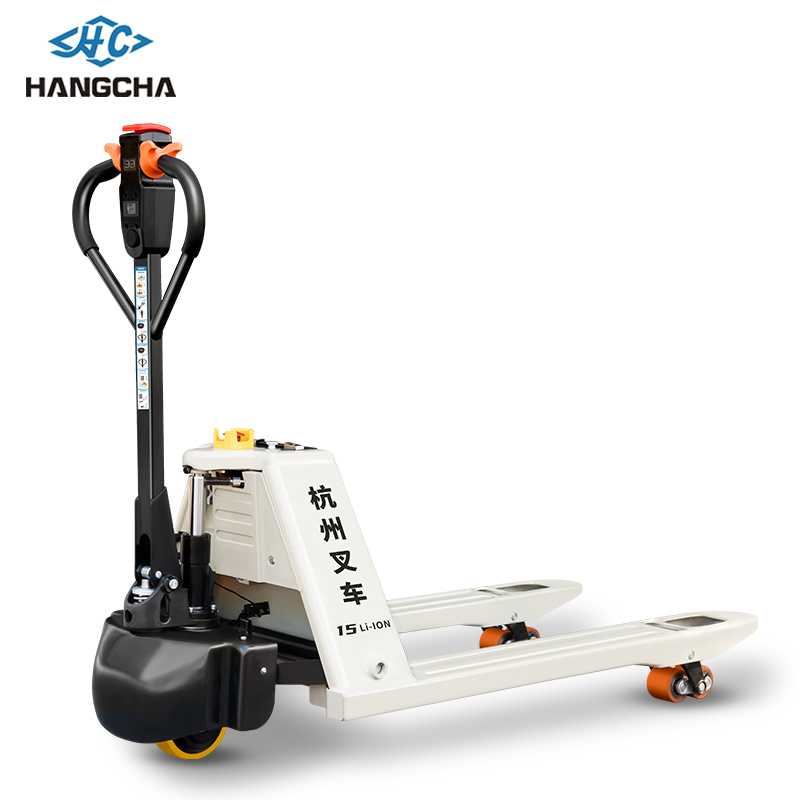
When matching equipment to a job, it’s easy to glance at a spec sheet and assume a 5,000-pound capacity forklift will lift 5,000 pounds to its full height. But the reality is more nuanced. Load capacity isn’t a single number—it shifts dramatically as the lift height increases and as the load center changes. For example, a forklift rated for 4,500 pounds at a 24-inch load center might only handle 3,200 pounds when raised to 20 feet, especially if the load is bulkier or unevenly distributed. Ignoring this interplay can lead to tip-overs or dropped loads, so it pays to dig into the manufacturer’s load chart rather than relying on the headline figure.
Lift height introduces another layer of complexity: as the mast extends, stability decreases, and hydraulic limitations kick in. A telehandler that lifts 10,000 pounds at ground level might be down to 5,500 pounds at maximum boom extension. Even small changes in attachment weight, like switching from standard forks to a rotator, eat into usable capacity. The key is to work backward from the actual task—know the heaviest load, the highest lift point, and the real-world load center before choosing a unit. Overlooking these numbers often means expensive downtime or worse, so getting them right is more art than science, blending calculated figures with on-site experience.
Electric vs. Internal Combustion: Matching Power to Your Operation
Choosing between electric and internal combustion equipment isn’t just about specs—it’s about how your operation runs day to day. Electric motors deliver instant torque and quiet, emissions-free performance, making them ideal for indoor work or areas with strict noise regulations. Their lower maintenance needs can keep machines on the floor longer, but you’ll need reliable charging infrastructure that fits into your workflow without causing downtime.
Internal combustion engines still dominate in raw, sustained power and refueling speed. If your operation runs multiple shifts in rugged outdoor environments or remote sites, the quick tank refill and consistent high-output performance are hard to beat. The trade-off is more vibration, exhaust, and routine upkeep—but for heavy lifting away from a power grid, that’s often the price of getting the job done without interruption.
Instead of chasing the latest trend, look at your real-world load cycles, shift lengths, and facility setup. Some fleets run a mix: electric for the predictable indoor tasks, combustion for the unpredictable heavy outdoor work. Matching the power source to the specific demand of each operation area often delivers better uptime and lower total cost than forcing a one-size-fits-all solution.
Navigating Tight Aisles Without Sacrificing Efficiency
When warehouse space is at a premium, narrow aisles can feel like a bottleneck waiting to happen. The key lies in rethinking movement patterns rather than simply squeezing by. Consider mapping out high-traffic zones and staggering picks so that staff aren't constantly crossing paths. Even small adjustments to the layout, like placing fast-moving items at hip height on outer racks, can cut seconds off each retrieval without demanding more floor space.
Equipment choices make an outsized difference here. A compact reach truck or a nimble pallet jack designed for tight turns can turn a cramped aisle into a smooth workflow. Train operators to use deliberate, controlled maneuvers — jerky movements waste time and risk damaging stock. Regularly auditing aisle widths and shelving depths also helps; sometimes a minor reconfiguration frees up just enough room to let two operations run side by side without conflict.
Don't overlook the human element. Clear, simple signage and consistent bin locations reduce that moment of hesitation where someone stops to think. Encourage a flow where workers signal their presence before rounding a corner, preventing sudden halts. It's often quieter, low-tech tweaks — like adding a convex mirror at blind spots — that keep the pace brisk while avoiding bumps. In the end, efficiency isn't about moving faster; it's about removing the tiny frictions that add up over a shift.
When Daily Runtime and Shift Patterns Override Everything Else
Routines built around rigid daily runtimes and unconventional shift patterns often force the body into a constant state of adjustment. When your schedule shifts from early mornings to overnight stretches within the same week, sleep quality erodes in ways that caffeine and sheer willpower can't fix. The circadian rhythm, that internal clock most people take for granted, becomes a suggestion rather than a rule. You end up eating dinner at 2 a.m., trying to sleep while the sun climbs, and pretending that swapping days for nights is just a matter of mindset. Over time, this override dismantles the natural signals your body relies on to rest, digest, and recover.
What makes this pattern so corrosive is how it quietly dominates every other aspect of life. Social connections fray because you're never available when everyone else is free. Exercise becomes a puzzle you can't solve—too tired before a shift, too wired after. Even simple pleasures like a morning coffee ritual lose their meaning when “morning” keeps moving. The shift work itself starts to feel like the only organizing principle left, and everything else—health, relationships, hobbies—gets squeezed into the cracks. People often don't notice how much they've surrendered until they try to plan something weeks ahead and realize their entire calendar is a patchwork of impossible trade-offs.
Breaking free from the tyranny of erratic runtimes isn't about finding a perfect schedule; it's about carving out non-negotiable anchors that exist outside the shift pattern. Small rituals—a ten-minute walk after waking regardless of the hour, a phone-free meal at the same point in your “day,” or a fixed bedtime routine even if bedtime lands at 9 a.m.—can trick the body into finding its own rhythm. The goal isn't to pretend the override doesn't exist, but to stop letting it be the only thing that matters. When you reclaim even a handful of moments that belong to you and not the roster, the rest of life starts to feel less like an afterthought.
Operator Comfort and the Overlooked Impact on Productivity
When production lines hum with activity, it’s easy to fixate on machine speeds, tooling precision, and software integrations. Yet one variable often slips beneath the radar: the person sitting at the controls. A chair that forces awkward posture, a display angled just a few degrees too far, or persistent glare on a screen doesn’t just annoy the operator—it gradually erodes their ability to maintain consistent output. Over an eight-hour shift, those small discomforts compound into slower reaction times and more frequent pauses.
Beyond the obvious physical toll, mental fatigue ignited by a poorly designed workstation carries a heavier price tag than most realize. An operator who constantly adjusts their seat, squints at monitors, or reaches awkwardly for controls isn’t fully engaged with the task. This divided attention leads to subtle errors, missed micro-adjustments, and a creeping decline in throughput that often gets blamed on the equipment rather than the environment it’s placed in. In contrast, when ergonomic details align with natural movement and easy visibility, operators report staying sharper longer, catching inconsistencies before they ripple downstream.
Consider the ripple effect across a facility: even a five percent dip in individual efficiency, multiplied across multiple stations and shifts, amounts to significant hidden losses. Forward-thinking operations are beginning to treat comfort not as a perk but as a strategic lever—rethinking reach zones, reducing unnecessary motion, and designing interfaces that feel almost intuitive. In doing so, they’re discovering that the fastest machine in the plant still depends on a person who can sustain peak awareness without fighting their own workstation.
FAQ
Start by looking at your daily operations—how heavy are your typical loads, and how high do you need to lift them? These two factors narrow down your options faster than anything else.
Absolutely. Forklifts are rated for specific weights at specific heights. If you underestimate your load, you’ll risk tipping or damaging both the machine and your inventory. Always know your maximum load weight and center of gravity.
Electric forklifts are the top choice for indoor warehouses because they produce zero emissions and run quieter. Gas or diesel models are better left for outdoor or well-ventilated spaces unless you have exceptional fume extraction.
You’ll want a narrow-aisle forklift, like a reach truck or a very narrow aisle (VNA) model. These are designed to maneuver in tight spaces and can still reach high racking without taking up too much room.
Think about your loads. Are they oddly shaped, extra wide, or fragile? Attachments like clamp arms, rotators, or sideshifters can make handling specific goods much safer and faster. Don’t bolt on extras you’ll never use, though.
It makes a huge difference over a shift. A comfortable seat, clear controls, and good visibility reduce fatigue and mistakes. Operators who feel strained are more likely to have accidents or skip steps.
That depends on your budget and how many hours you’ll use it. For heavy, daily use, a new forklift with a warranty and up-to-date safety features is worth it. Lighter operations might do perfectly fine with a well-maintained used model.
Conclusion
Choosing the right warehouse forklift isn't just about picking a machine off a list—it's about how your space, loads, and daily grind intersect. Start with your layout: narrow aisles demand agile reach trucks or articulated models that squeeze through tight gaps without slowing down, while wide-open docks can handle sturdy counterbalance units. Then nail the numbers—lift capacity and max height aren't specs to guess at; miscalculate and you'll risk tip-overs or constant downtime. And don't overlook the power source: electric forklifts hum quietly indoors with zero emissions, but if you're running a round-the-clock operation with no time to charge, internal combustion engines might still earn their keep despite the fumes and noise.
But what truly separates a good choice from a great one often comes down to operator experience and shift rhythms. A machine that runs 16 hours a day with multiple drivers needs ergonomics that aren't an afterthought—adjustable seats, intuitive controls, and suspension that actually absorbs shocks. When fatigue creeps in, so do mistakes and accidents, dragging productivity down with it. Pair that with battery swap or fast-charge setups that match your shift patterns, and you'll keep the wheels turning without unexpected pit stops. The perfect forklift isn't just a tool; it's the connective tissue between your floor plan, your people, and your workflow. Get all these pieces talking to each other, and you end up with more than a purchase—you build a smoother operation from the ground up.
Contact Us
Contact Person: Liuxue
Email: [email protected]
Tel/WhatsApp: +86-19084200370
Website: https://www.hf-ec.com/