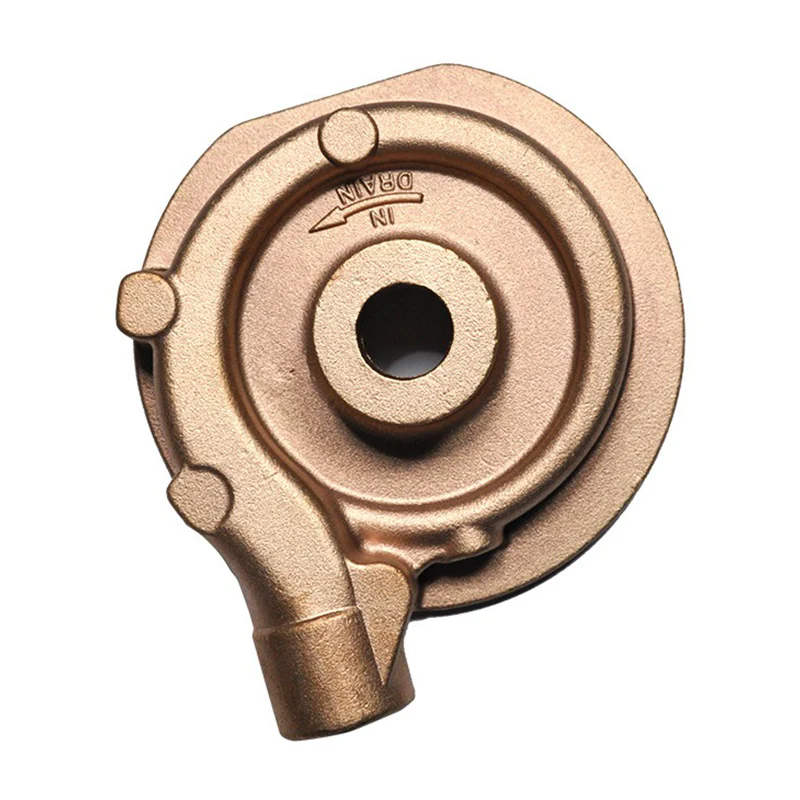

Principles of Gravitational Casting
2024-07-31
Gravitational casting, a widely used method in metalworking, relies on gravity to fill molds with molten metal. Here are the core principles that underpin this process:
1. Gravity as the Driving Force
- Natural Flow: Molten metal is poured into the mold cavity solely by the force of gravity, without the use of additional pressure or mechanical assistance.
- Simplicity: The reliance on gravity makes the process straightforward, often requiring less complex equipment compared to pressure casting methods.
2. Mold Design and Preparation
- Mold Creation: Molds are designed to accurately reflect the shape of the desired part, including features for gating (the channels through which the metal flows) and venting (paths for gases to escape).
- Types of Molds: Both expendable molds (e.g., sand, plaster) and permanent molds (e.g., metal) can be used, each suited to different production needs and material types.
- Core Inclusion: Cores, made from sand or other materials, can be used to form internal cavities or complex internal structures within the casting.
3. Material Considerations
- Molten Metal: A variety of metals can be used, including aluminum, bronze, iron, and steel, each with specific melting points and properties that influence the casting process.
- Mold Material: The choice of mold material affects the cooling rate, surface finish, and dimensional accuracy of the final product.
4. Pouring Process
- Controlled Pouring: The molten metal must be poured steadily and at the correct temperature to ensure it fills the mold completely and uniformly without causing turbulence that can introduce defects.
- Temperature Management: Both the temperature of the molten metal and the mold are crucial to ensure proper flow and solidification. Preheating the mold can help reduce thermal shock and improve metal flow.
5. Cooling and Solidification
- Heat Dissipation: The rate at which the molten metal cools and solidifies is controlled to achieve the desired mechanical properties and minimize defects such as shrinkage cavities or warping.
- Directional Solidification: Managing the cooling process to solidify the metal from the furthest point of the pour towards the gate can help reduce internal stresses and defects.
6. Gating and Venting Systems
- Gating: Proper design of the gating system ensures smooth flow of molten metal into the mold, reducing turbulence and preventing air entrapment.
- Venting: Adequate venting allows gases to escape from the mold cavity, preventing the formation of gas pockets and improving the quality of the casting.
7. Removal and Finishing
- Mold Removal: After solidification, expendable molds are broken apart to retrieve the casting, while permanent molds are opened. Careful handling is essential to avoid damaging the newly cast part.
- Post-Processing: The casting may require additional steps such as trimming, grinding, machining, and surface treatment to achieve the final dimensions and surface finish.
8. Quality Control
- Inspection: Regular inspection of both the mold and the cast part is essential to ensure the casting meets the required specifications and is free from defects.
- Non-Destructive Testing (NDT): Techniques like X-ray, ultrasonic testing, or dye penetrant inspection can be used to detect internal defects without damaging the casting.
9. Application of Principles
- Consistency: Applying these principles consistently ensures high-quality castings with minimal defects.
- Adaptation: Adjusting parameters like pouring temperature, cooling rate, and mold material based on the specific requirements of each casting project.
Summary
By understanding and applying these principles, the gravitational casting process can be effectively managed to produce high-quality metal parts with precise dimensions and desirable mechanical properties.